Clearance CLR-9369 · SUS808
SUSSAF
SustainabilityClearance sheet
SAF expansion ties agriculture, aviation and regional economic policy together
American Journal of Transportation frames SAF growth as a three-sector opportunity spanning agriculture, aviation and state economic development, though the headline-level source confirms the trend rather than specific capacity figures.
Read-back
- SAF pathways fall under ASTM D7566, covering HEFA, alcohol-to-jet, Fischer-Tropsch and synthetic routes
- ReFuelEU Aviation imposes rising SAF blend percentages at EU airports beginning in 2025
- Existing aircraft types are certified to operate on SAF blends up to 50%
- IATA member carriers target net-zero by 2050
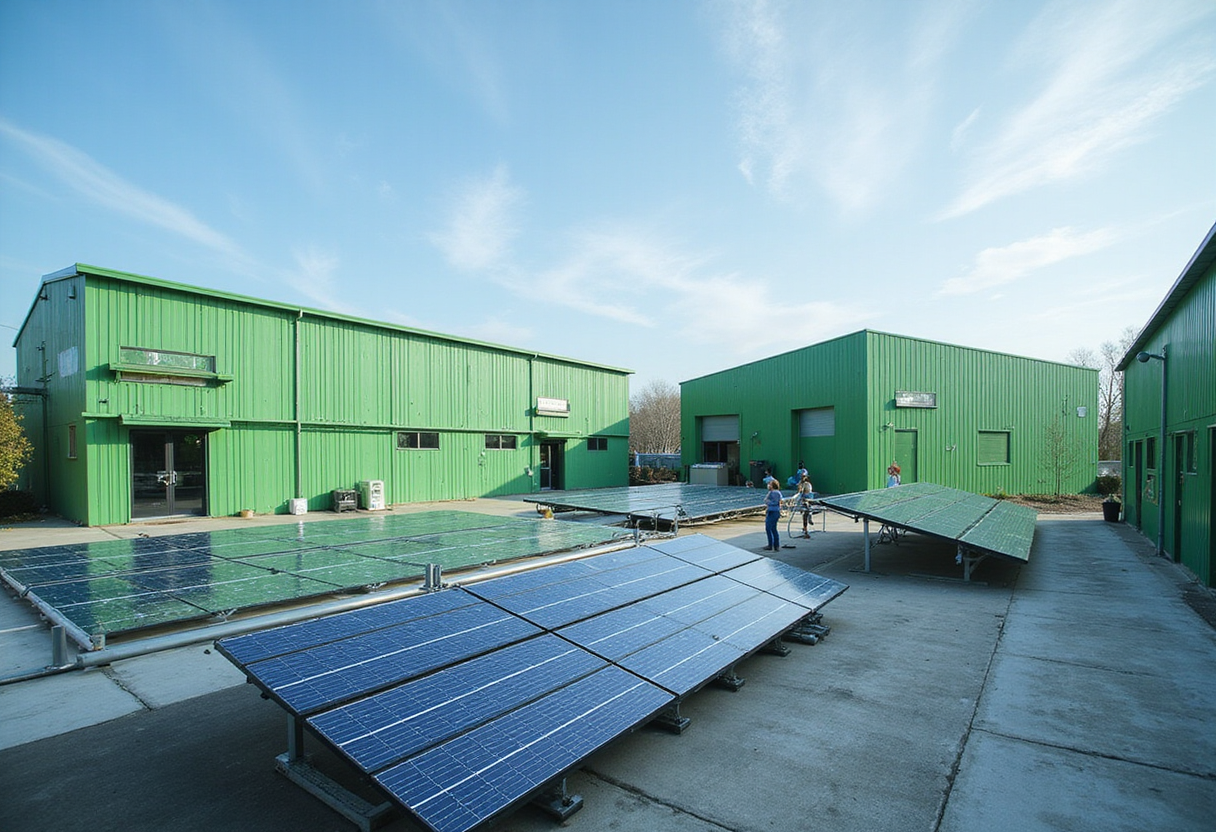
Sustainable aviation fuel has moved from niche policy debate to a multi-sector growth story, with the American Journal of Transportation framing SAF expansion as an opportunity that cuts across agriculture, commercial aviation, and state-level economic development planning.
The headline-level thesis lands at a moment when SAF still represents a fraction of the global jet fuel pool, but when announced production capacity, airline offtake agreements, and government mandates have all moved sharply higher. The piece identifies three sectors whose planning cycles are now converging on the same molecule.
Where does agriculture fit?
SAF pathways certified under ASTM D7566 derive from feedstocks that overlap directly with farming and food-processing byproducts. HEFA — hydroprocessed esters and fatty acids — uses used cooking oil, tallow, and distillers' corn oil. Alcohol-to-jet uses ethanol from existing starch or sugar fermentation capacity. The implication for crop producers, renderers, and biofuel operators is a new revenue stream that does not depend on road-fuel demand cycles, and that can be monetized through long-term airline supply contracts.
Why are airlines watching?
Net-zero commitments from IATA member carriers put 2050 as the target horizon, and SAF remains the most operationally ready lever for reducing well-to-wake emissions on the in-service fleet. Existing aircraft types already operate on SAF blends up to 50% under current certification, so dispatch reliability is not the gating issue — fuel cost is. Without mandate-driven demand, the price premium over conventional Jet A continues to suppress voluntary uptake.
How is economic development responding?
U.S. states and EU member states now compete for SAF facility siting through tax abatement packages, utility infrastructure commitments, and workforce-training grants. ReFuelEU Aviation imposes rising blend percentages at EU airports starting in 2025, and the U.S. Inflation Reduction Act's blenders tax credit has changed project economics for U.S. developers. Regional economic development agencies that previously courted auto or semiconductor projects are now building prospect lists for SAF.
What the source does — and does not — confirm
The headline identifies a three-sector opportunity frame. It does not contain, in the available material, specific capacity figures, named offtake agreements, or direct quotations from industry executives. Readers looking for hard numbers on installed versus announced capacity, or for the share of aviation fuel demand each new project is contracted to serve, will need the underlying article body or the originating publication's dataset.
What to watch next
The gap between announced capacity and capacity that reaches final investment decision is the key metric for tracking whether the three-sector opportunity materializes at scale. If demand-side mandates keep pace with announced supply, agricultural regions positioned near feedstock pipelines and the states that secured the early facility wins will be the first to capture the upside that the headline describes.
via Google News: Sustainable aviation fuel (Source)
More from Priya Raman
Same bay
- FDR121Biomass-to-SAF Pathway Framed as Route to Canadian Aviation Fuel Targets · September 28, 2026
- FDR481Ethanol-to-Jet Pathway Draws Focus in US Sustainable Aviation Fuel Push · October 10, 2026
- FDR547$3 Billion Backs Tropical Fruit Jet Fuel Project, Bloomberg Reports · October 10, 2026
- FDR663Kleinman Center Examines Renewable Natural Gas as SAF Feedstock · September 30, 2026
- FDR238Report Identifies Non-Environmental Benefits of Sustainable Aviation Fuel · October 10, 2026