Clearance CLR-9450 · AIR623
AIRSAU
Airspace & RegulationClearance sheet
Saudi airspace restrictions hit Europe-Asia routes at 'a bad time'
Saudi airspace restrictions hit Europe-Asia flights at what FlightGlobal calls 'a bad time', forcing longer routings, higher fuel burn and schedule knock-ons across the corridor.
Read-back
- Saudi airspace restrictions are in effect on the primary Europe-Asia corridor.
- FlightGlobal assesses the timing as 'a bad time' for carriers on those routes.
- Reroutings add distance, block time and fuel burn to affected sectors.
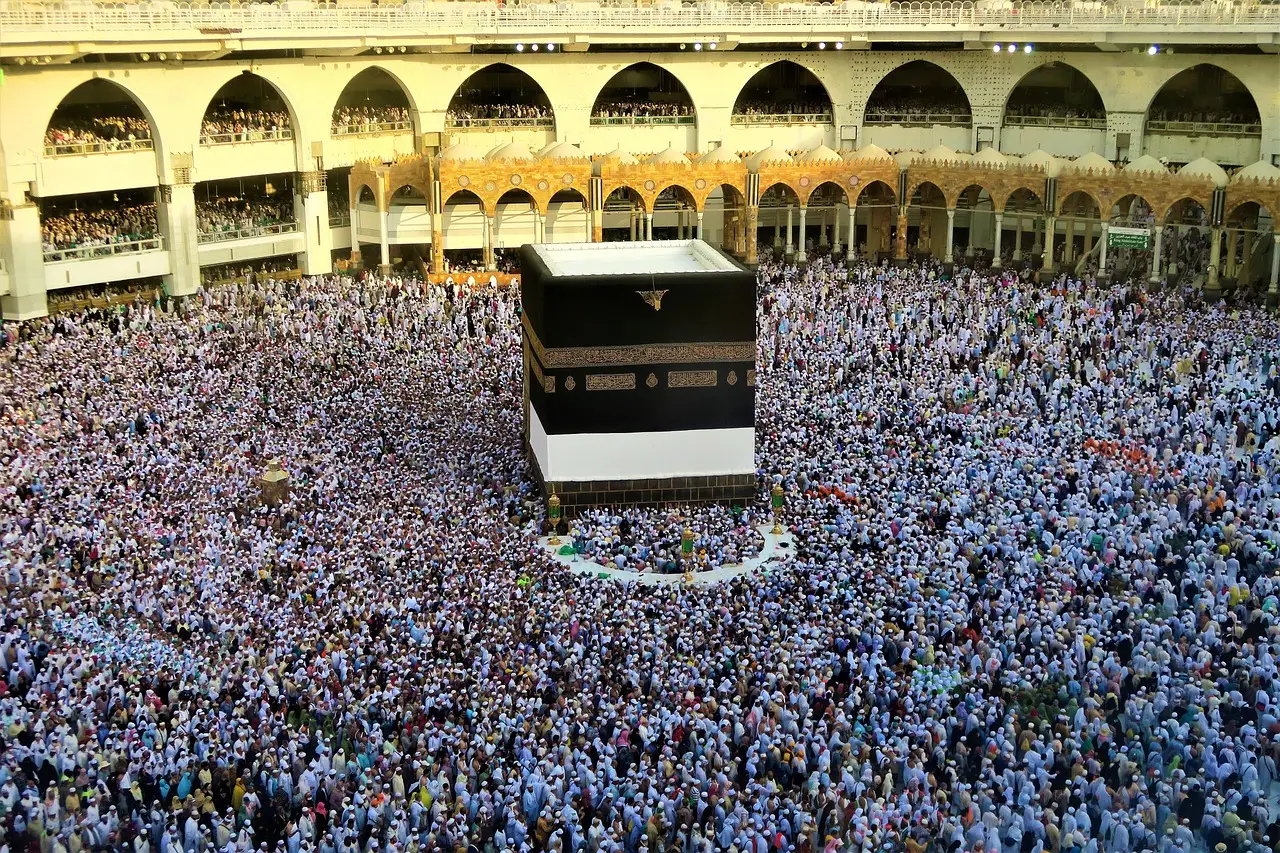
Saudi airspace restrictions have come into force at what FlightGlobal describes as "a bad time" for Europe-Asia flights, forcing carriers on some of the world's longest sectors to confront detours, longer block times and higher fuel burn.
The Saudi kingdom sits astride the primary great-circle corridor linking European hubs with Gulf, South Asian and Southeast Asian destinations. Restrictions over that airspace shift traffic onto longer routings, with consequences that compound quickly on sectors already at the edge of aircraft range.
What does this change for operators?
For airlines flying Europe-Asia city pairs, the practical effects fall into three areas:
- Rerouted tracks around restricted Saudi airspace, adding distance and block time to affected sectors.
- Higher trip fuel and payload trade-offs on services where margins between maximum take-off weight and planned load are thin.
- Schedule knock-ons, because longer block times reduce aircraft utilization and can force slot and crew-roster adjustments at both ends.
Carriers with hub operations in the Gulf and adjacent regions face the sharpest exposure, given the density of their traffic through the corridor. European network airlines serving South and Southeast Asia, plus Asian carriers operating to Europe, share the same dependency on shortest-path routings across the Arabian peninsula.
The timing compounds the problem. The assessment that restrictions arrive at a "bad time" reflects the broader operating environment: demand recovery on Europe-Asia corridors has been rebuilding capacity plans, and any structural lengthening of sectors feeds directly into fleet assignment and frequency decisions.
Longer routings matter most where operators have matched aircraft type to sector length on tight assumptions. A detour that adds hundreds of kilometres to a Europe-Southeast Asia service can convert a viable non-stop into a payload-restricted operation, or push it beyond the economics that justified the frequency.
Verification against operating realities
Manufacturer range claims and network plans assume minimum-distance routings. Airspace closures and restrictions of this kind test those assumptions against real-world track availability, and operators will now price the corridor risk into summer schedules, fuel planning and, where the restrictions persist, longer-term fleet and network decisions.
via Google News: Air traffic control and airspace (Source)
More from Priya Raman
Show full bio
Market editor covering money, funding and market shifts around Commercial aviation industry coverage at Flightdeck Report.
513 articles
Same bay
- FDR181EASA warns airlines to avoid parts of Saudi airspace · September 30, 2026
- FDR628EASA Warns Airlines to Avoid Parts of Saudi Airspace · October 1, 2026
- FDR212Saudi Air Cargo Disrupted as Attacks Bite; China-Europe Rates Slide · October 14, 2026
- FDR472Houthi Strikes Squeeze Global Traffic Into 85nm Corridor · October 16, 2026
- FDR120EU Widens Saudi Airspace Warning as Houthi Threat Persists · October 9, 2026