AirportsClearance sheet
Schiphol Extends Airport Charge Discount to March 2028
Amsterdam Schiphol has extended its airport charge discount through March 2028, with daytime flights only, as aviation fuel averages $154.76 per barrel, up 71.9% year on year.
Read-back
- Schiphol extends its airport charge discount until March 2028, a year beyond the original March 2027 end date.
- The discount applies only to daytime flights; nighttime operations are excluded to curb noise, down up to 30% over two years.
- Global average aviation fuel hit $154.76 per barrel in mid-to-late November, up 71.9% year on year.
- AMS handled 477,552 flights and 68.8 million passengers in 2025 and serves more than 300 direct destinations.
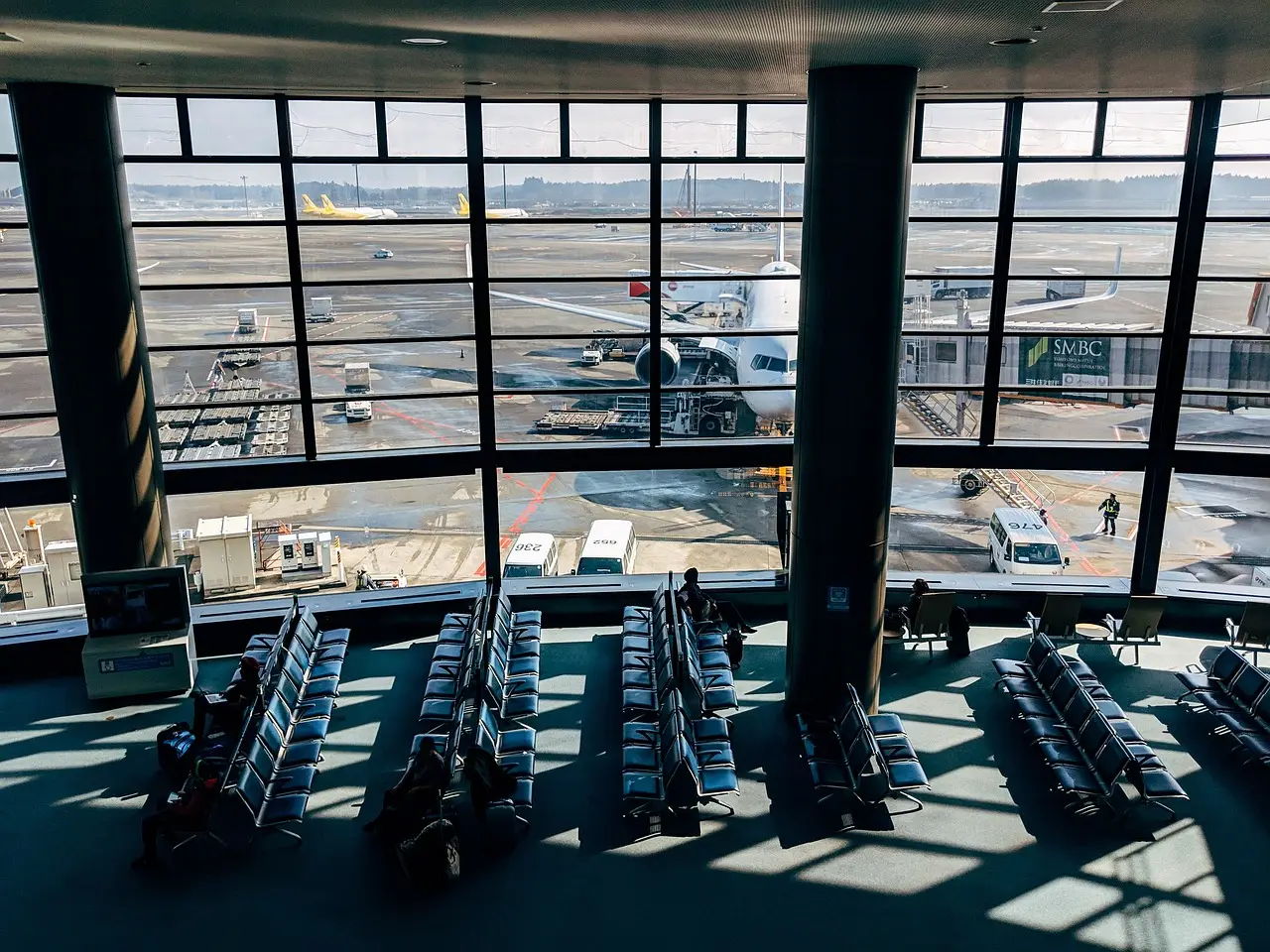
Amsterdam Airport Schiphol will keep its airport charge discount in place until March 2028, extending a measure originally set to run only from April 2026 to March 2027. The extension lengthens the relief window by a full year at a time when airlines face fuel costs the airport itself describes as unstable.
The airport introduced the temporary discount in April 2026. Rising fuel costs, which Schiphol tied to instability in the Middle East, drove the decision. The stated purpose is straightforward: protect airline profitability as operational costs climb.
What does the discount cover?
Not every movement at AMS qualifies. The discount applies to daytime flights only. Nighttime operations are excluded by design.
That exclusion is deliberate policy, not an oversight. Schiphol wants fewer overnight movements because they generate the most noise complaints. The airport reported a reduction of up to 30% in nighttime noise over the past two years. The charge structure rewards airlines that shift capacity into daylight hours.
Carriers flying late-night rotations at AMS should therefore read this as two policies in one: a cost subsidy for daytime operations and a price signal against overnight flying. Any airline counting the discount against its night network will find nothing there.
Why fuel is driving the decision
The macro backdrop explains the urgency. The global average price of aviation fuel reached $154.76 per barrel in mid-to-late November. That figure represents a 71.9% increase against the previous year's average.
Schiphol attributes the spike to disruption around the Strait of Hormuz, a chokepoint that normally carries roughly 20% of global oil and gas. Commercial vessels have rerouted to avoid security risks and congestion, and those diversions raise fuel transportation costs. Limited oil supply availability has added further upward pressure on price.
A 71.9% year-on-year jump in the single largest airline cost line is the kind of number that turns a one-year discount into a two-year commitment. Schiphol has not published the per-flight value of the discount, so airlines cannot yet quantify the relief against their fuel bills. That gap matters for any carrier modeling its AMS cost base through 2028.
Schiphol's connectivity argument
The extension also serves a strategic case. AMS serves more than 300 direct destinations and ranks second in Europe for connectivity. The airport handled 477,552 flights and 68.8 million passengers during the 2025 calendar year.
Schiphol, the Netherlands' largest airport, frames the extended discount as a tool to maintain the country's international connectivity and economic competitiveness. The airport said: "A strong air transport network also contributes to the Netherlands' resilience and independence, for example by enabling supplies of goods and food, as well as repatriation."
What does this change for airlines? Daytime operators at AMS get a cost cushion through March 2028, and the Netherlands gets an explicit subsidy argument for keeping hub traffic at Schiphol rather than losing it to rival gateways.
What remains unanswered
The airport has not disclosed how much revenue it forgoes under the discount, nor which charge categories the reduction touches. Without those figures, the claim that the measure protects connectivity cannot be tested against the airport's own finances. Airlines will want the discount's per-movement value before committing capacity plans beyond 2027.
The fuel premise also carries risk in both directions. The $154.76 per barrel average reflects a specific disruption around the Strait of Hormuz. If the security situation eases, the discount's original rationale weakens even as the commitment runs to March 2028. If it worsens, a charge discount offsets a small fraction of a 71.9% fuel increase, and airlines' AMS economics tighten anyway.
For now, the discount stands as a two-year commitment from Europe's second-most-connected hub, daytime flights only, night noise down 30% over two years, and the underlying fuel shock unresolved.
via travelradar.aero (Source)
More from James Calloway
Show full bio
Staff writer covering people, launches and day-to-day practice in Commercial aviation industry coverage at Flightdeck Report.
739 articles
Same bay
- Schiphol cargo volumes climbed in September · October 19, 2026
- Fog Disrupts 176 Flights at Amsterdam Schiphol, Delays Across Europe · November 11, 2026
- Schiphol fog disrupts 176 flights, with 29 cancellations · November 11, 2026
- Air Cargo Enters a Higher-Cost Era as Jet Fuel Fears Ease · October 10, 2026
- ICCT case study examines Dutch SAF cost-gap policy levers · October 10, 2026