Clearance CLR-4716 · AIR917
AIRSHR
Air CargoClearance sheet
Shreeji Gains Bonded Trucking Rights at Navi Mumbai Airport
Shreeji Translogistics disclosed bonded trucking permission at Navi Mumbai airport on 3 November 2026, extending a business run since 2002 — with no volumes or dates attached.
Read-back
- Shreeji Translogistics filed bonded trucking permission for Navi Mumbai airport on 3 November 2026
- The company has operated customs-bonded trucking since 2002, authorised at Mumbai's existing airport under Public Notice 49/2025
- Navi Mumbai plans initial cargo capacity of ~500,000 tonnes annually, rising in phases to 2.6 million tonnes
- A proposed 300,000 sq ft automated FedEx hub broke ground on 18 February 2026 with ~₹2,500 crore investment
- The filing disclosed no committed volumes, contract values or first-movement date
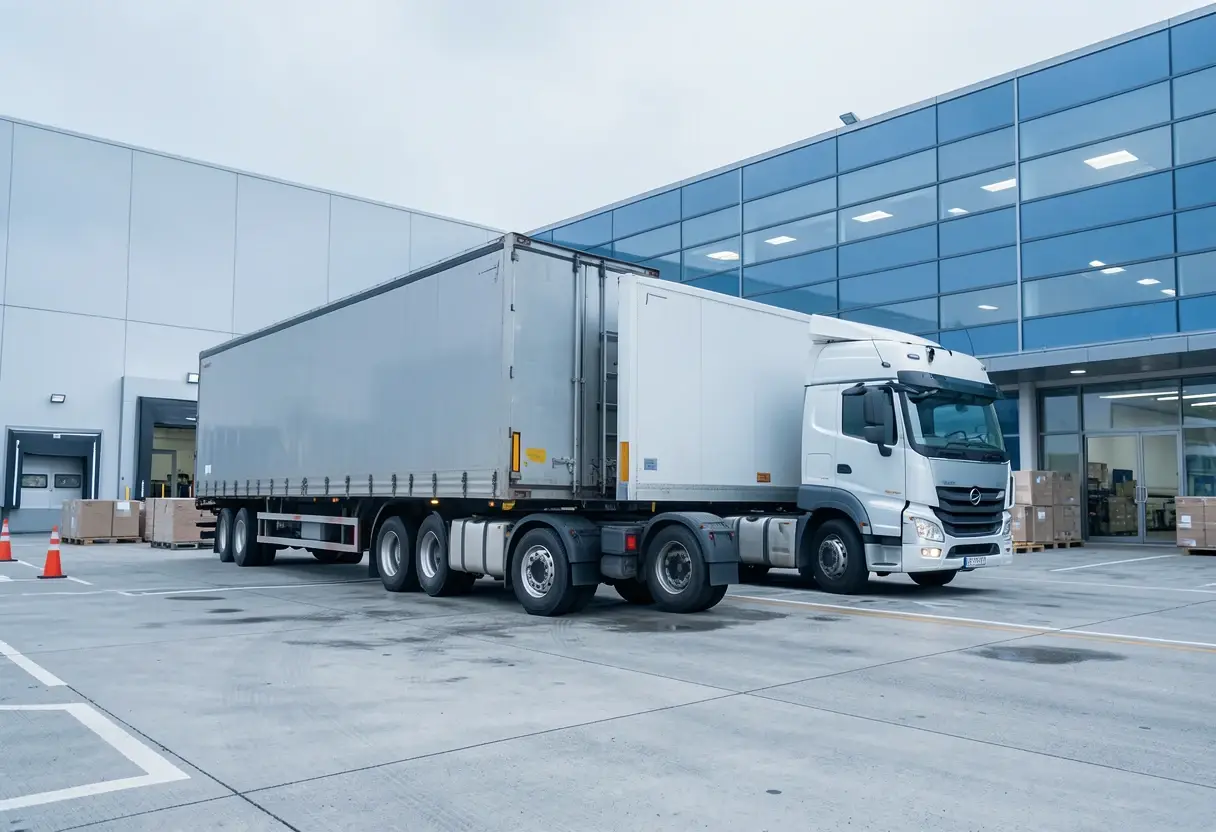
Shreeji Translogistics can now move import and export transhipment cargo under bond from Navi Mumbai International Airport's Air Cargo Complex to gateways across India. The Vashi-headquartered company disclosed the permission in a stock exchange filing on 3 November 2026.
The approval extends a customs-bonded trucking business Shreeji has operated since 2002. Management called it an expansion of an existing service offering, not entry into a new segment. It adds one airport location to a network that already serves customs-notified air cargo complexes across India.
The filing did not disclose committed cargo volumes, contract values, deployment requirements or a first-movement date. What does this change for airlines serving Mumbai? One more licensed road operator at a new gateway — and, for now, nothing measurable beyond that.
What does the permission cover?
The permission covers bonded trucking of both import and export transhipment cargo from Navi Mumbai's Air Cargo Complex to other Indian gateways. Bonded trucking links customs-controlled cargo facilities by road. It lets air cargo continue its international journey between gateways under the applicable customs procedures.
Shreeji's published service information explains the network logic: airlines can serve cargo destinations without flying to every location, because road movements connect those destinations with airports on the airline's flight network. The company uses containerised trucks and offers arrangements for non-standard cargo dimensions. The model gives shippers an inland leg when origins or destinations do not coincide with the airport of the international flight.
A record at Mumbai's existing airport
Shreeji is not a newcomer to Mumbai cargo. Mumbai Customs Public Notice 49/2025 recorded its earlier authorisation to transport specified airlines' import cargo from the Mumbai Air Cargo Complex to customs-notified air cargo complexes, inland container depots, container freight stations and air freight stations. The same notice approved export bonded trucking between Mumbai's Air Cargo Complex and other notified facilities, subject to airline authorisation and customs approval.
Those permissions concern the existing Mumbai airport. The Navi Mumbai filing extends the same authorisation framework to the new gateway.
What cargo capacity is Navi Mumbai building?
The airport's published cargo plans set an initial annual handling capacity of approximately 500,000 tonnes, rising in phases to 2.6 million tonnes. Listed facilities include:
- Pharmaceuticals and perishables handling
- Express shipments and oversized cargo
- Dangerous goods and other specialised consignments
- Temperature-controlled areas and separate cargo storage zones
- Customs offices and parking for trucks, trailers and refrigerated vehicles
A planned airport cargo community system is intended to connect stakeholders through a shared digital platform. Automated truck-slot management is designed to organise terminal access.
The wider programme includes a proposed 300,000-square-foot automated FedEx hub. Groundbreaking took place on 18 February 2026. FedEx announced a long-term investment of approximately ₹2,500 crore. The facility is planned as a regional consolidation and redistribution centre supporting trade with Southeast Asia, the Middle East, Europe and the United States.
Shreeji's announcement does not identify any commercial arrangement with the proposed FedEx hub. Proximity is not a contract.
What to watch
The permission is regulatory groundwork, not revenue. Navi Mumbai's cargo build-out — 500,000 tonnes of initial capacity, a ₹2,500 crore FedEx commitment and phased growth toward 2.6 million tonnes — creates demand for bonded road links, but Shreeji has quantified none of its expected share. Management said Navi Mumbai cargo operations should create additional opportunities for the company; investors will need actual volumes and first-movement dates before that claim can be tested against the airport's ramp-up schedule.
via Google News: Air cargo (Source)
More from James Calloway
Show full bio
Staff writer covering people, launches and day-to-day practice in Commercial aviation industry coverage at Flightdeck Report.
583 articles
Same bay
- FDR190Navi Mumbai airport reports cargo progress after early troubles · October 13, 2026
- FDR865Lufthansa Cargo Shifts Mumbai Freighter Operations to Navi Mumbai · October 15, 2026
- FDR902Lufthansa Cargo adds Navi Mumbai as operators flag challenges · October 15, 2026
- FDR335Challenge Group suspends freighter flights at Navi Mumbai · October 10, 2026
- FDR503Navi Mumbai Airport Acts as 1,000 Tonnes of Cargo Sit on Dollies · October 10, 2026