Clearance CLR-2100 · SUS607
SUSSIN
SustainabilityClearance sheet
Singapore Airlines signs first offtake for Aether's waste-gas SAF
SIA will take up to 4,800 tons of waste-gas-derived SAF from Aether's Pulau Bukom plant from 2028, the first airline offtake for the Fischer-Tropsch pathway project.
Read-back
- SIA agreed to buy up to 4,800 tons of SAF from Aether Fuels over three years, with deliveries starting in 2028.
- Announced October 28, 2026, the deal makes SIA the first airline customer of Project Beacon at Pulau Bukom, Singapore.
- Aether targets a first large-scale plant by 2031 with capacity at least 10 times Project Beacon's.
- The fuel uses Fischer-Tropsch-based Aurora technology on biomethane and industrial waste gases, certified under CORSIA.
- The binding agreement converts a 2025 MOU and supports SIA's net zero by 2050 goal.
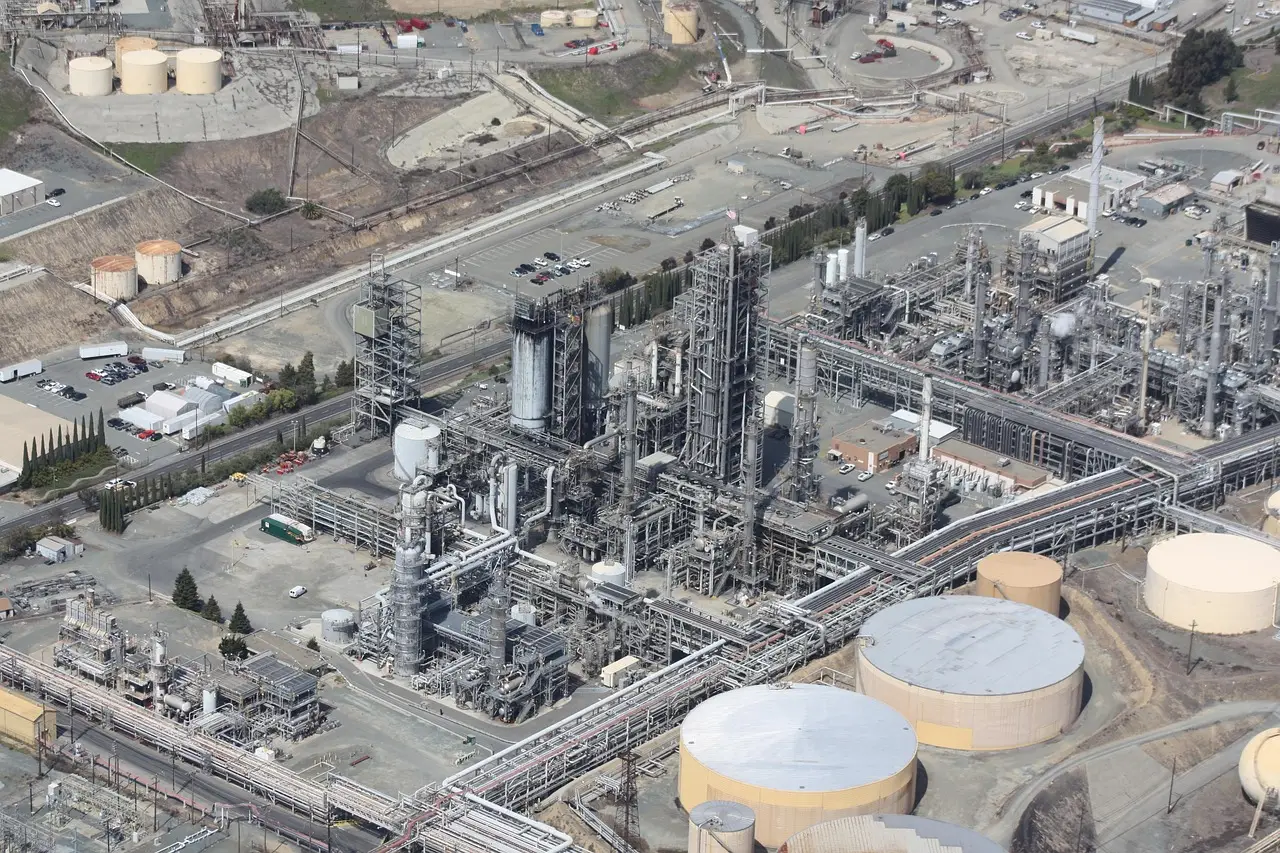
Singapore Airlines has committed to buying up to 4,800 tons of next-generation sustainable aviation fuel from Aether Fuels over three years, with deliveries starting in 2028. Announced on October 28, 2026, the binding agreement makes SIA the first airline to purchase SAF from Project Beacon, Aether's first commercial production facility, now under development at the company's refining complex on Pulau Bukom in Singapore.
The deal also marks a first for the carrier in another respect: SIA has never before bought SAF made with technology that converts waste carbon into jet fuel.
What will Project Beacon actually produce?
Project Beacon will make SAF from feedstocks such as biomethane and industrial waste gases, using Aether's proprietary Aurora technology. The process builds on the Fischer-Tropsch method to convert waste-derived gases into liquid aviation fuel.
That matters because the industry currently leans hard on one pathway. Hydroprocessed esters and fatty acids (HEFA) account for most SAF produced today, and it depends on a limited supply of lipid-based feedstocks — used cooking oil and animal fats. A gas-to-liquid route offers an alternative that doesn't compete for those constrained inputs.
The fuel will be certified under the Carbon Offsetting and Reduction Scheme for International Aviation (CORSIA).
Aether is not stopping at one plant. By 2031, the company aims to start operations at its first large-scale commercial facility, with production capacity at least 10 times that of Project Beacon.
How did the deal come together?
The agreement converts a memorandum of understanding the two companies signed in 2025 into a firm commitment. The pace of that progression is the notable part.
"When we signed our MOU with Singapore Airlines last year, Project Beacon had not yet been announced," said Conor Madigan, Co-Founder and Chief Executive Officer of Aether Fuels. "Since then, we have selected Singapore as the home of our first commercial facility and built critical partnerships across the local value chain."
Madigan called the binding agreement "a strong signal of committed demand from a leading global airline," and said this kind of collaboration is needed "to create the commercial conditions to bring new SAF pathways to scale." He also cited Singapore's refining and aviation infrastructure, investment support and sustainability policies as strengths for decarbonizing aviation.
Where does this fit in SIA's climate strategy?
For SIA, the purchase plugs into a target the airline has set for nearly three decades out: net zero carbon emissions by 2050.
"Supporting the development and adoption of SAF, and securing future supplies, are integral to SIA's ambition of achieving net zero carbon emissions by 2050," said Lee Wen Fen, Chief Sustainability Officer at Singapore Airlines. "As the first airline to purchase SAF from Project Beacon, SIA is demonstrating demand for new lower-carbon fuel production pathways in Singapore."
Lee Wen Fen added that the airline will keep working with partners worldwide to scale up SAF production and support the shift toward more sustainable air travel.
What is the scale of the commitment?
The numbers frame the challenge ahead. Four thousand eight hundred tons of fuel over three years is a modest volume against the fuel burn of a major international carrier — but it is an early offtake for a pathway that has yet to reach industrial scale. Whether Aether can hold its 2028 start date at Pulau Bukom, and then deliver the 10-times-larger plant by 2031, will tell the industry whether waste-gas SAF can move beyond demonstration projects and into meaningful supply.
Both companies have now put their names to that test in writing.
via AeroTime (Source)
More from Nathan Brooks
Show full bio
Correspondent covering technology and product news in Commercial aviation industry coverage at Flightdeck Report.
574 articles
Same bay
- FDR222Hydrogen Utopia Files for UK Grant Backing Waste-to-SAF Project · October 10, 2026
- FDR504Neste flags Singapore base for sustainable aviation fuel · October 10, 2026
- FDR461ETFuels Signs Early-Stage e-SAF Agreement with Kuwaiti Fuel Supplier · October 9, 2026
- FDR570Delta and Neste outline SAF roadmap as fuel collaboration extends · October 10, 2026
- FDR222US firm claims 800 bpd SAF throughput from new reactor design · October 10, 2026