Clearance CLR-5712 · MRO499
MROSTE
MRO & AftermarketClearance sheet
ST Engineering Signs Three Collins Agreements for Component MRO
ST Engineering signed three multi-year component support agreements with Collins Aerospace, covering 787 fan assembly electronics repair and expanded narrowbody LRU support.
Read-back
- ST Engineering signed three multi-year component support agreements with Collins Aerospace
- New contract covers repair of Collins-built fan assembly electronics boards on Boeing 787s
- Extended agreements cover LRU lifecycle repair for Boeing 737 and Airbus A320 via Collins FlightSense
- Expanded spare parts deal uses Collins Power & Controls components for narrowbody LRU MRO
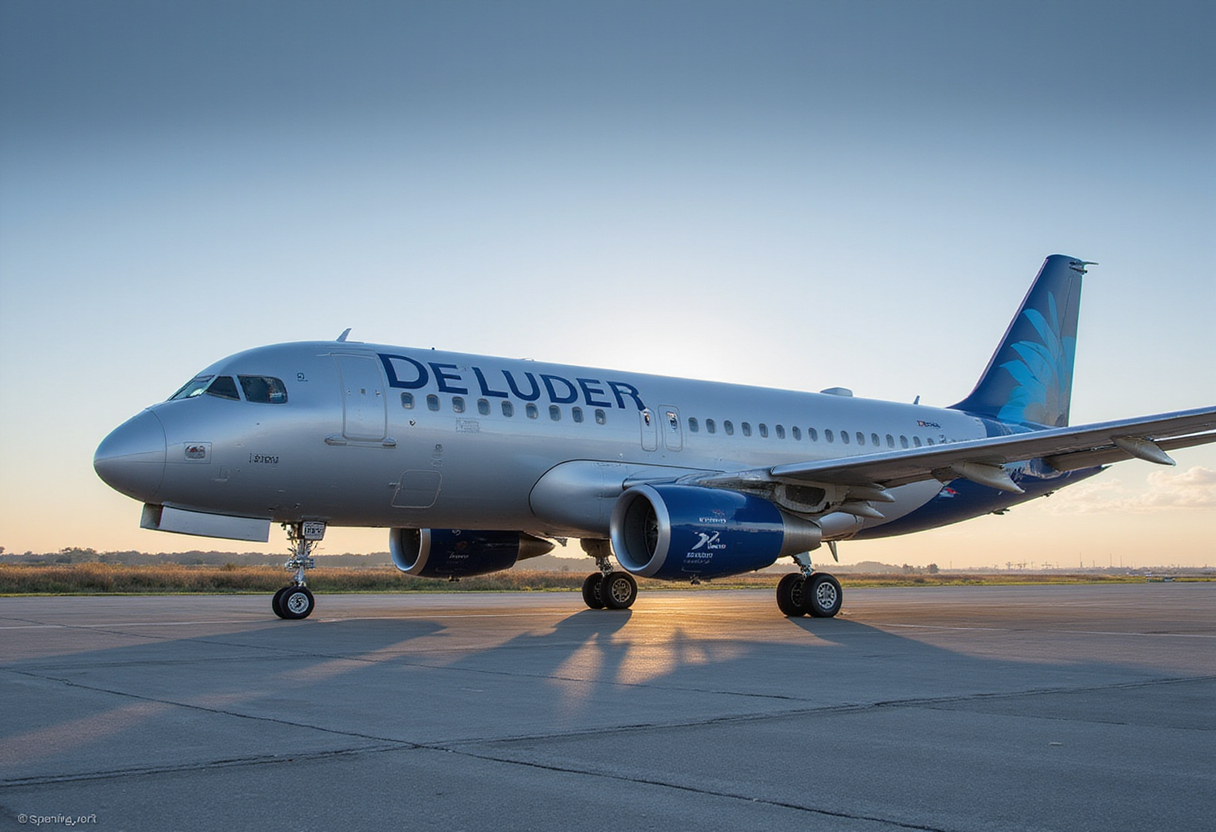
ST Engineering's Commercial Aerospace business has signed three multi-year component support agreements with RTX's Collins Aerospace, extending existing contracts and opening new repair work on Boeing 787 fan assembly electronics boards.
The agreements, announced without disclosed financial terms, pair Collins' OEM expertise with ST Engineering's MRO and asset management operations across narrowbody and widebody platforms.
What does the 787 contract cover?
Under the new work, ST Engineering will repair fan assembly electronics boards manufactured by Collins that fly on Boeing 787 aircraft. The companies position the repair-over-replacement approach as a way to cut turnaround times for Line Replaceable Unit (LRU) repair and improve overall shop efficiency.
The deal adds to ST Engineering's existing in-house component MRO capabilities for the 787, which the company also cites across the 737 MAX and A320neo.
How does the spare parts agreement expand capacity?
A second agreement expands a multi-platform deal that gives ST Engineering access to Collins Aerospace Power & Controls spare parts for LRU component MRO. ST Engineering says the move increases the availability of narrowbody aircraft components in its portfolio and improves the quality of OEM-approved component repair support it can offer operators.
What about A320 and 737 lifecycle support?
The third contract extends lifecycle repair support for LRU components on Boeing 737 and Airbus A320 aircraft. Collins will support the effort through its FlightSense program, tying component health data to the repair workflow.
Executive commentary
Poon Kok Wah, SVP and Head of Component Services at ST Engineering, said: "Our longstanding relationship with Collins Aerospace brings together its OEM expertise and ST Engineering's lifecycle MRO and comprehensive asset management strengths to better support airline operators worldwide."
He added: "The expanded scope of these agreements deepens our collaboration and enhances the value of our Maintenance-By-the-Hour program, in-house component MRO capabilities for the 787, 737 MAX and A320neo and distribution and material services."
"Together, these capabilities provide customers with broader repair coverage, reliable component support and responsive lifecycle solutions," Kok Wah said.
Jen Latka, vice president of Aftermarket, Power & Controls at Collins Aerospace, said: "Expanding our collaboration with ST Engineering allows us to better support the aviation ecosystem with agile and high-standard MRO solutions."
Latka noted: "These lifecycle and repair programmes ensure that operators worldwide benefit from maximised component efficiency and enhanced fleet performance."
Why it matters
The three contracts reinforce a structure increasingly common in component MRO: OEMs granting repair licenses and spare parts access to independent shops, while MRO providers scale OEM-approved support through pooled programs. For operators of the 787, 737 and A320 — the workhorse fleets of most global networks — repair coverage breadth and turnaround time translate directly into inventory requirements and aircraft availability.
Neither company disclosed contract values or durations. The agreements signal continued aftermarket investment by both parties as narrowbody utilization stays high and operators seek repair-over-replacement economics on expensive LRUs, with the expanded collaboration likely to broaden further across additional platforms.
via rtx.com (Original)
More from Priya Raman
Same bay
- FDR922Fleet expansion drives sustained aircraft modification demand · October 9, 2026
- FDR315VSE Corp. Buys Atech Turbine Components to Build Out MRO Reach · October 10, 2026
- FDR268Turkish Airlines locks in 100 MAX 8s, with delivery window set for 2033–2037 · October 9, 2026
- FDR352AAR to Acquire Majority Stake in MRO Holdings for $1.8 Billion · September 28, 2026
- FDR490AAR to Acquire 65% of Bain-backed MRO Firm for $1.8 Billion · September 28, 2026