Clearance CLR-2948 · SAF647
SAFTHA
Safety & OperationsClearance sheet
Thai Airways A350 Diverts TG925 to New Delhi After Malfunction
Thai Airways says TG925, an Airbus A350-900 flying from Munich to Bangkok, diverted safely to New Delhi on Nov. 14, with no injuries and a special flight arranged for Nov. 16.
Read-back
- TG925, an Airbus A350-900, departed Munich at 1:35 p.m. local time on Nov. 14.
- Its scheduled Bangkok arrival was 6:10 a.m. Nov. 15; it instead landed in New Delhi.
- The aircraft landed safely with no injuries; passengers remained aboard for about two hours.
- Initial reports cited an engine-related fault and components needed from Thailand; Thai Airways cited only a technical malfunction.
- A special Bangkok flight was scheduled for Nov. 16, departing about 11:30 a.m. and arriving at 4:55 p.m.
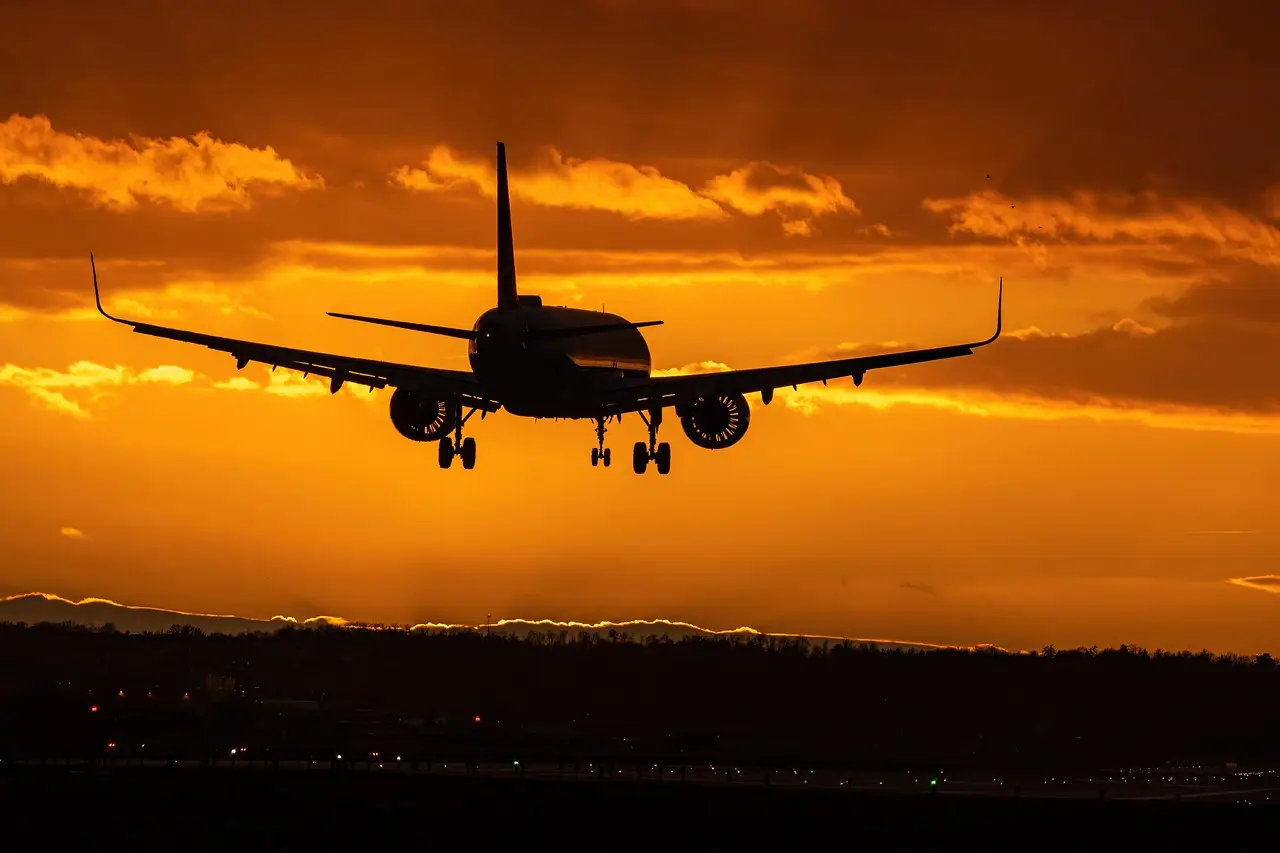
Thai Airways’ Airbus A350-900 operating TG925 diverted to New Delhi on Nov. 14 after departing Munich at 1:35 p.m., with Bangkok arrival scheduled for 6:10 a.m. Nov. 15.
What happened to TG925?
The Munich-to-Bangkok service encountered a technical malfunction, and its pilots diverted to Indira Gandhi International Airport in New Delhi, India, for an emergency landing. The aircraft landed safely, and Thai Airways reported no injuries.
In a statement, the airline said the pilots “prioritised passenger and crew safety” before diverting to New Delhi. That wording establishes the decision sequence, not the engineering fault: no cockpit, maintenance or maintenance-control records accompanied the statement.
Why did the aircraft divert?
Initial reports attributed the problem to an engine-related malfunction. Those reports also said replacement components had to be sent from Thailand before the A350-900 could resume operations.
Thai Airways itself was less specific, referring only to a technical malfunction. The available account names no engine manufacturer, Airbus representative, lessor, maintenance provider or aviation regulator, so responsibility cannot be assigned from it.
No certification milestone, regulatory finding or aircraft return-to-service date appears in the material. Thai Airways confirms the safe landing; its statement does not confirm the mechanical cause or the aircraft’s release for further operation.
That distinction is more than legal precision. It leaves the reported engine link unconfirmed in Thai Airways’ own account and provides no basis for assigning maintenance liability.
What happened to passengers?
Passengers remained on board for about two hours after landing in New Delhi before they could disembark. Thai Airways arranged hotel accommodation and what it called “comprehensive assistance” while they waited to resume their journeys.
The source gives no passenger count, hotel location, length of stay or onward-travel schedule for everyone. It establishes two hours on the ground before disembarkation, but not the total delay or final destination reached by each traveller.
Hotels and assistance addressed immediate welfare, not the wider network consequence. The diversion also disrupted the planned Munich-Bangkok arrival on Nov. 15, although the source discloses neither the aircraft registration nor its subsequent rotations.
What timeline shaped the disruption?
Four timestamps define the main sequence:
- Nov. 14, 1:35 p.m. local time: TG925 departed Munich Airport.
- Nov. 15, 6:10 a.m. local time: arrival at Bangkok’s Suvarnabhumi Airport was due.
- About two hours after landing: passengers disembarked in New Delhi.
- Nov. 16, 11:30 a.m. local time: a special flight was scheduled to depart Bangkok, approximately.
- Nov. 16, 4:55 p.m. local time: that special flight was scheduled to reach its destination.
What was the replacement plan?
Thai Airways organised a special flight for Nov. 16 from Bangkok to bring passengers onward to their destinations. Its approximate departure time was 11:30 a.m. local, and its arrival time was 4:55 p.m. local.
The published clocks place that departure 29 hours 20 minutes after TG925’s scheduled Bangkok arrival on Nov. 15. That is a schedule comparison, not a final delay calculation for every passenger, because the source does not explain each onward itinerary.
The account does not state how passengers reached Bangkok from New Delhi, or whether every affected traveller used the Nov. 16 service. Nor does it identify the special flight’s aircraft, preventing any conclusion that the replacement movement used the diverted A350-900.
What are the operational and cost consequences?
Thai Airways converted one planned Munich-Bangkok arrival into an unplanned New Delhi landing and added a Nov. 16 special sector. The source does not identify the aircraft operating that service or quantify the schedule changes surrounding it.
Thai Airways also does not disclose the cost of hotel rooms, passenger assistance, replacement components or the special flight. The financial consequence is evident in kind but unpriced; no amount should be inferred from one additional aircraft movement.
The source gives no fleet-availability count, capacity change or Bangkok schedule data. Those network and cost effects therefore cannot be quantified from this incident alone.
What should readers watch next?
Thai Airways has stated the safety outcome, but the useful next disclosures are more technical: the precise fault, the component involved and the date the A350-900 returned to service. The source offers no announced regulatory review, so further clarity must come from the airline or relevant authorities.
The next checkpoint is a more precise Thai Airways fault report, confirmation of the A350-900’s return to service and the completed movement of passengers on the Nov. 16 special flight.
via travelradar.aero (Source)
More from Grace Kim
Show full bio
News editor covering companies, deals and strategy in Commercial aviation industry coverage at Flightdeck Report.
640 articles
Same bay
- FDR108Thai Airways A350 HS-THT Diverts to Delhi, Sits Awaiting Engine Parts · November 16, 2026
- FDR199Thai Airways suspends CEO Chai Eamsiri amid flood-crisis review · October 2, 2026
- FDR133Air India AI 2772 delayed seven hours by fake hijack note · November 17, 2026
- FDR232Singapore Airlines A350 Diverts to Rockhampton After Cabin Smoke · November 11, 2026
- FDR616Air France A350 Strays From LAX Departure, Closes Within 400 ft of American A321 · November 8, 2026