Clearance CLR-6017 · SAF616
SAFAIR
Safety & OperationsClearance sheet
Air France A350 Strays From LAX Departure, Closes Within 400 ft of American A321
An Air France A350-900 departing LAX strayed from its SUMMR2 SID and closed to within 400 ft of an American A321 before ATC intervened on November 7, 2026.
Read-back
- Vertical separation of approximately 400 ft (121 m) between an Air France A350-900 and an American A321-200 near LAX on November 7, 2026.
- Air France AF28 departed Runway 24L at ~8:15 a.m. UTC; American AA1660 departed parallel Runway 25R at ~8:16 a.m. UTC.
- The A350 registered F-HUVK made an unexpected left turn off the SUMMR2 SID toward the American departure path.
- ATC turned the A350 to heading 270 and told AA1660 to maintain 2,000 ft; traffic was reported at 12 o'clock, under one mile away.
- The controller advised the Air France crew of a possible pilot deviation; no injuries, damage or confirmed explanation had been reported as of November 8, 2026.
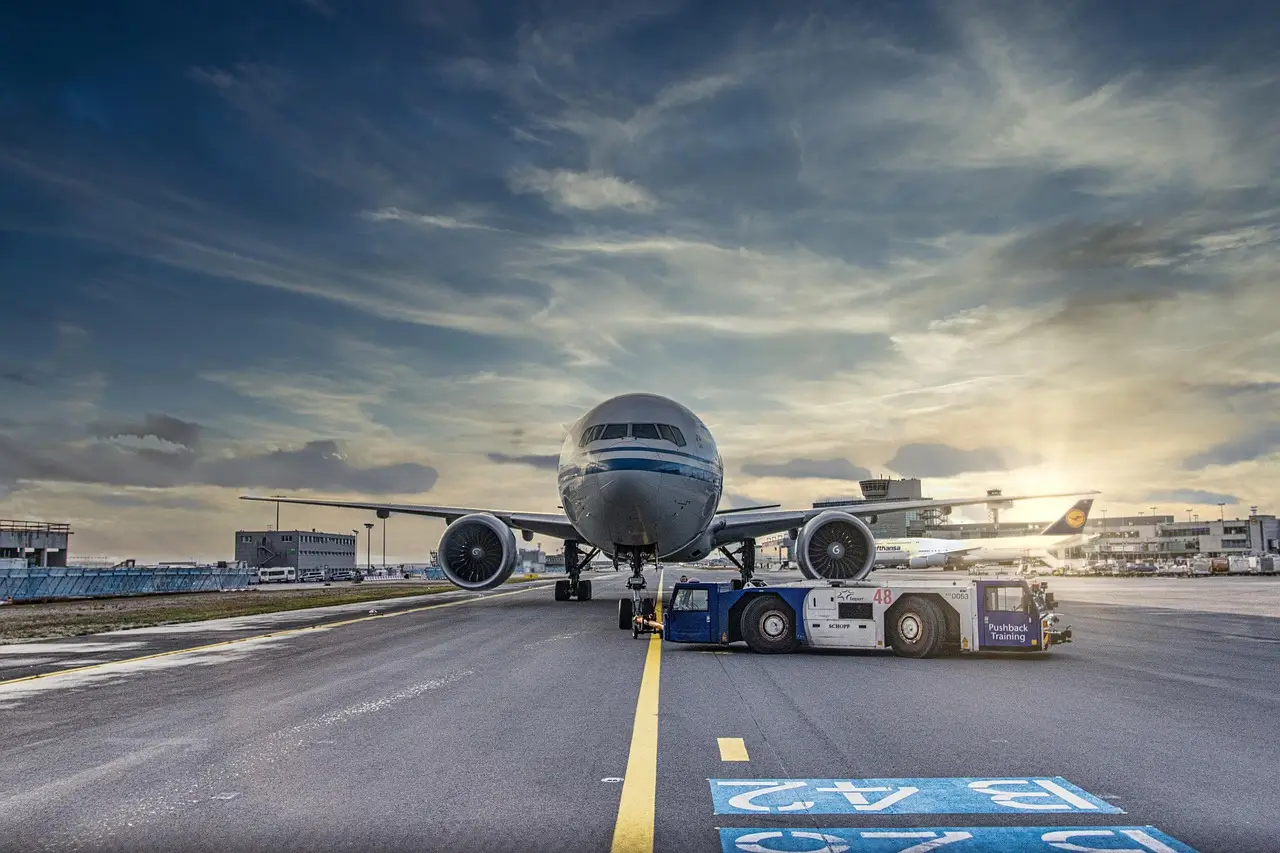
An Air France Airbus A350-900 came within roughly 400 ft (121 m) of an American Airlines A321-200 vertically after straying from its assigned departure procedure at Los Angeles International Airport on November 7, 2026.
The two aircraft were Air France Flight AF28, a 2.5-year-old A350-900 registered F-HUVK bound for Papeete, French Polynesia, and American Airlines Flight AA1660, a nearly 26-year-old A321-200 registered N191UW heading to Dallas/Fort Worth. Both departures rolled within a minute of each other: AF28 at approximately 8:15 a.m. UTC from Runway 24L, AA1660 at approximately 8:16 a.m. UTC from Runway 25R.
Neither aircraft was damaged and no injuries were reported. Both continued to their destinations after air traffic control intervened. But as of November 8, 2026, no official investigation findings or confirmed explanation for the unexpected turn had been made public.
What went wrong on the SUMMR2 departure?
According to available ATC communications, the Air France crew was cleared for take-off on the SUMMR2 Standard Instrument Departure, a procedure that fixes the aircraft's routing off the runway. Instead, shortly after becoming airborne, the A350 initiated an unexpected left turn away from the assigned track.
That turn carried the widebody toward the departure path of the American A321, which had just left the parallel runway. The American crew reported being at 2,000 ft and climbing toward 5,000 ft — directly into the converging traffic.
Initial reports, citing flight-tracking data, put the vertical separation between the two aircraft at approximately 400 ft. On a transpacific departure out of one of the world's busiest airports, that margin is measured in seconds of closure, not minutes.
How did ATC break the conflict?
The controller moved on two fronts at once.
- The Air France crew was instructed to immediately turn to a heading of 270 degrees.
- American Airlines received a traffic alert, with the controller reporting another aircraft at its 12 o'clock position, less than one mile away.
- AA1660 was told to maintain 2,000 ft; the crew acknowledged and confirmed it would reduce its climb to comply.
Once the geometry was resolved, the Air France crew was instructed to proceed direct to the DART waypoint and resume its climb via the assigned SID. American was subsequently cleared to climb to 17,000 ft with a 250-knot speed restriction, and the A350 continued its departure toward Papeete.
Was it ruled a pilot deviation?
In subsequent radio exchanges, the controller questioned the Air France crew about its departure clearance. The pilots eventually confirmed they had been instructed to fly the SUMMR2 departure. The controller then advised the crew of a possible pilot deviation and handed over a telephone number for follow-up — the standard administrative step that typically precedes an FAA review of the event.
That paperwork, not the radio call, is what usually determines the outcome. A confirmed pilot deviation can trigger anything from crew retraining to enforcement action, and the FAA's Los Angeles terminal environment — where parallel-runway departures compress spacing by design — leaves little tolerance for an early off-procedure turn.
What remains unanswered?
The circumstances behind the left turn remain unclear. Investigators will need to establish whether the deviation stemmed from crew action, a flight-management input error, a data-entry issue, or some other factor aboard the A350. Air France has a long-haul fleet that increasingly relies on the A350-900 for routes such as Los Angeles–Papeete, one of the world's longest scheduled sectors, and any procedural finding would carry weight across that operation.
For now, no official body has published findings, and both aircraft completed their flights without further event. The investigation, when it formally reports, will determine whether this was a momentary error or a symptom worth a broader look at how the SUMMR2 procedure performs under simultaneous parallel departures.
via flightradar24.com (Original)
More from Nathan Brooks
Show full bio
Correspondent covering technology and product news in Commercial aviation industry coverage at Flightdeck Report.
620 articles
Same bay
- FDR664Air France Wrong Turn at LAX Put Two Jets Within a Mile · November 10, 2026
- FDR807FAA Opens Investigation Into Air France Near-Collision at LAX · November 12, 2026
- FDR470Sixteen Flights Hit by Bomb Threats Across Europe in One Day · November 5, 2026
- FDR388BEA reenacts Nice approach to test A320 runway-lighting near miss · October 9, 2026
- FDR288Air France Restores Paris–Manila Nonstop in October After Summer Pause · September 30, 2026