Clearance CLR-3290 · MRO309
MROUSC
MRO & AftermarketClearance sheet
US Clears Boeing to Supply Belavia Parts, CEO Says
Belavia's CEO says the US Commerce Department has authorised Boeing to supply parts, components and software for the sanctioned carrier's 12-aircraft Boeing fleet.
Read-back
- Belavia CEO Igor Cherginets said on October 31, 2026 that the US Commerce Department authorised Boeing to supply the airline directly.
- Belavia operates 22 aircraft, 12 of them Boeings, per ch-aviation data.
- The US added Belavia to the SDN sanctions list in August 2023 after the 2021 Ryanair FR4978 forced diversion.
- The US eased Belavia sanctions in September 2025 after a Trump administration meeting with Lukashenko in Minsk and the release of 52 political prisoners.
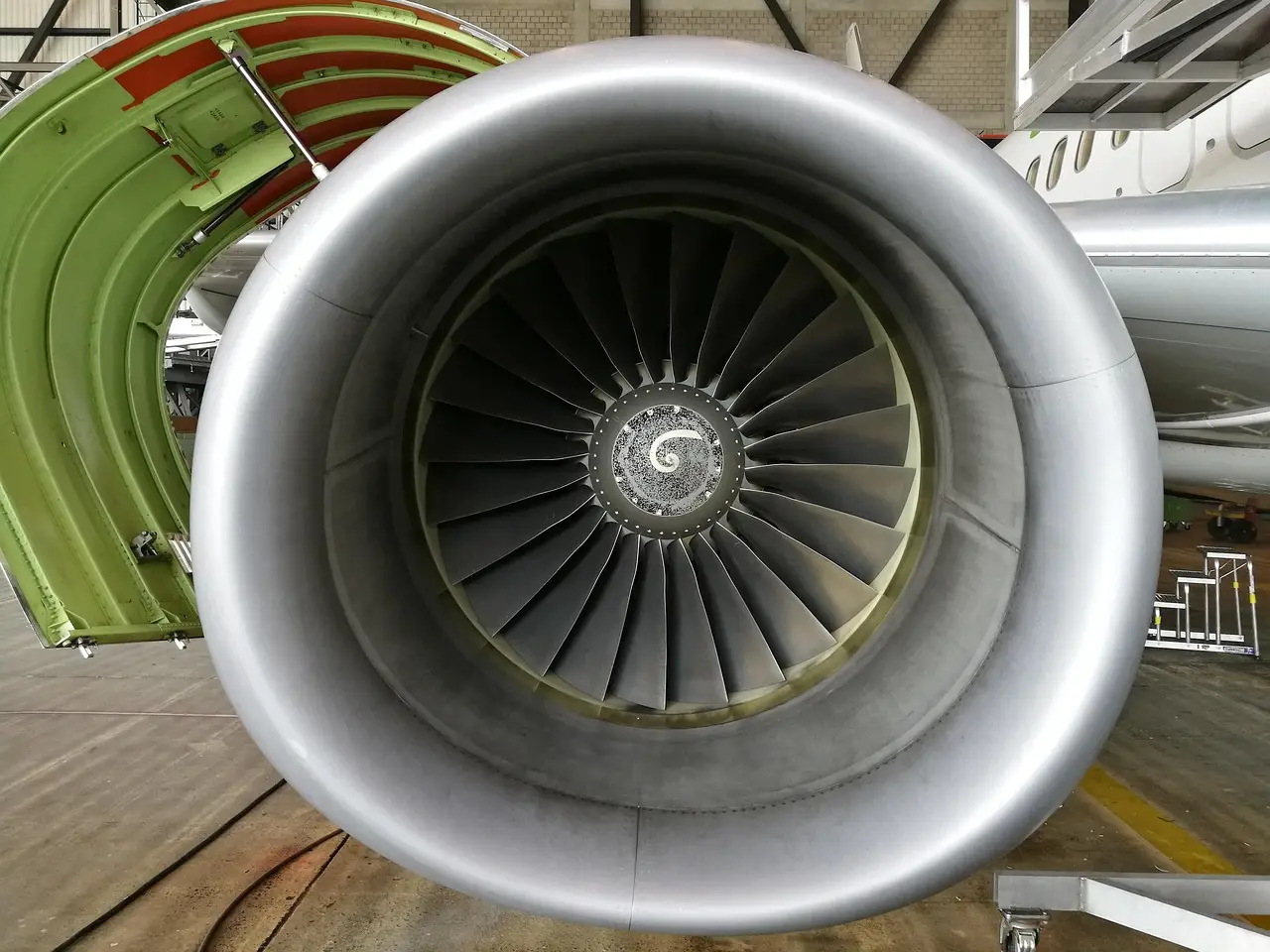
The US Department of Commerce has authorised Boeing to work with Belarus's national carrier Belavia, the airline's chief executive said on October 31, 2026 — a decision that opens a direct parts channel to an airline still listed under US financial sanctions.
Belavia CEO Igor Cherginets told BelTA, Belarus's state-owned news agency, that the agreement will "allow Belavia to directly source spare parts, components, and software for the airline's existing aircraft" from Boeing. He added: "Furthermore, it opens the way for negotiations to purchase aircraft directly from Boeing."
The clearance matters in fleet terms. According to ch-aviation data, Belavia operates a fleet of 22 aircraft, of which 12 are Boeings — airframes that have been cut off from OEM support since 2021. What does this change for the Minsk-based carrier? In the near term, it restores a legal supply line for spares, components and software for more than half its fleet. Any new aircraft purchase, by contrast, remains a matter for future negotiation, not a delivered outcome.
How did the restrictions come about?
The sanctions history is recent and layered. In May 2021, Belarus forced the diversion of Ryanair flight FR4978 to Minsk in order to arrest the opposition journalist Raman Pratasevich. The European Union responded with sanctions on Belavia, and the US imposed its own aviation restrictions.
The harder measure came in August 2023, when the US Treasury added Belavia to its Specially Designated Nationals (SDN) list — a designation that freezes the entity out of the US financial system. In its statement at the time, the Treasury said: "This action targets several entities involved in the Belarusian regime's continued civil society repression, complicity in the Russian Federation's unjustified war in Ukraine, and enrichment of repressive Belarusian regime leader Alyaksandr Lukashenka."
The practical effect was severe: the airline could no longer lease Western-built aircraft, nor obtain spare parts and services from US-linked suppliers. For a fleet majority-composed of Boeings, that meant cannibalisation, grey-market sourcing or grounded capacity.
What prompted the easing?
The September 2025 US easing of sanctions on Belavia followed a meeting between the Trump administration and Belarus's President Aleksandr Lukashenko in Minsk. The announcement came after Belarus released 52 political prisoners, a concession that preceded the partial US rollback.
The Commerce authorisation now claimed by Cherginets is the operational follow-through on that political opening. AeroTime reports having contacted both Boeing and the US Department of Commerce for comment; neither the OEM nor the regulator has, on the record in the source material, confirmed the licence's terms.
The diversion question
One consequence already drawing concern is re-export risk. Russia itself faces aviation-related sanctions, and a legal Boeing parts channel into Minsk creates a potential route for components to move onward into the Russian market — a concern flagged in coverage of the decision.
For Boeing, the commercial upside is modest but real: a 22-aircraft operator with 12 Boeing airframes represents aftermarket demand that has sat unserved for three years. Whether that demand stays inside Belavia's own fleet will depend on US enforcement and end-use monitoring, neither of which the CEO's announcement addresses.
The next measurable signal will be whether Belavia converts the parts authorisation into an actual aircraft order with Boeing — the step Cherginets says the agreement now makes possible.
via ch-aviation.com (Original)
More from Sophie Lindqvist
Show full bio
Senior reporter covering people, launches and day-to-day practice in Commercial aviation industry coverage at Flightdeck Report.
608 articles
Same bay
- FDR451Drone-driven Russian airport closures push Belavia flights into the red · October 30, 2026
- FDR869Russia Unseals Stored Tu-204s and Il-96s as New-Build Output Collapses · October 10, 2026
- FDR646Luxaviation ONE names Markus Schmidt vice president cargo · October 10, 2026
- FDR823US-Bangla to Place $4-5 Billion Leased Aircraft Order Within 60 Days · September 30, 2026
- FDR287Russia Returns Tu-204, Il-96 and 747 to Service Amid Fleet Crisis · October 10, 2026