Clearance CLR-5218 · AIR483
AIRVIE
Airlines & NetworksClearance sheet
Vietnam Airlines, FPT and Skywise outline three AI workstreams
Vietnam Airlines, FPT and Skywise signed a November 4 memorandum covering fleet reliability, technical maintenance and disruption handling, with no cost or performance target disclosed.
Read-back
- Vietnam Airlines, FPT and Skywise signed an AI cooperation memorandum on November 4 during the Vietnam Aviation Exhibition and Forum.
- The initial programme contains three workstreams: fleet reliability, technical maintenance and operational disruption.
- Extracted data is jointly owned and cannot train AI models or reach third parties without all three parties' consent.
- Vietnam Airlines is aiming to become a five-star airline by 2030.
- The memorandum discloses no fleet count, budget, implementation date, baseline reliability or expected cost saving.
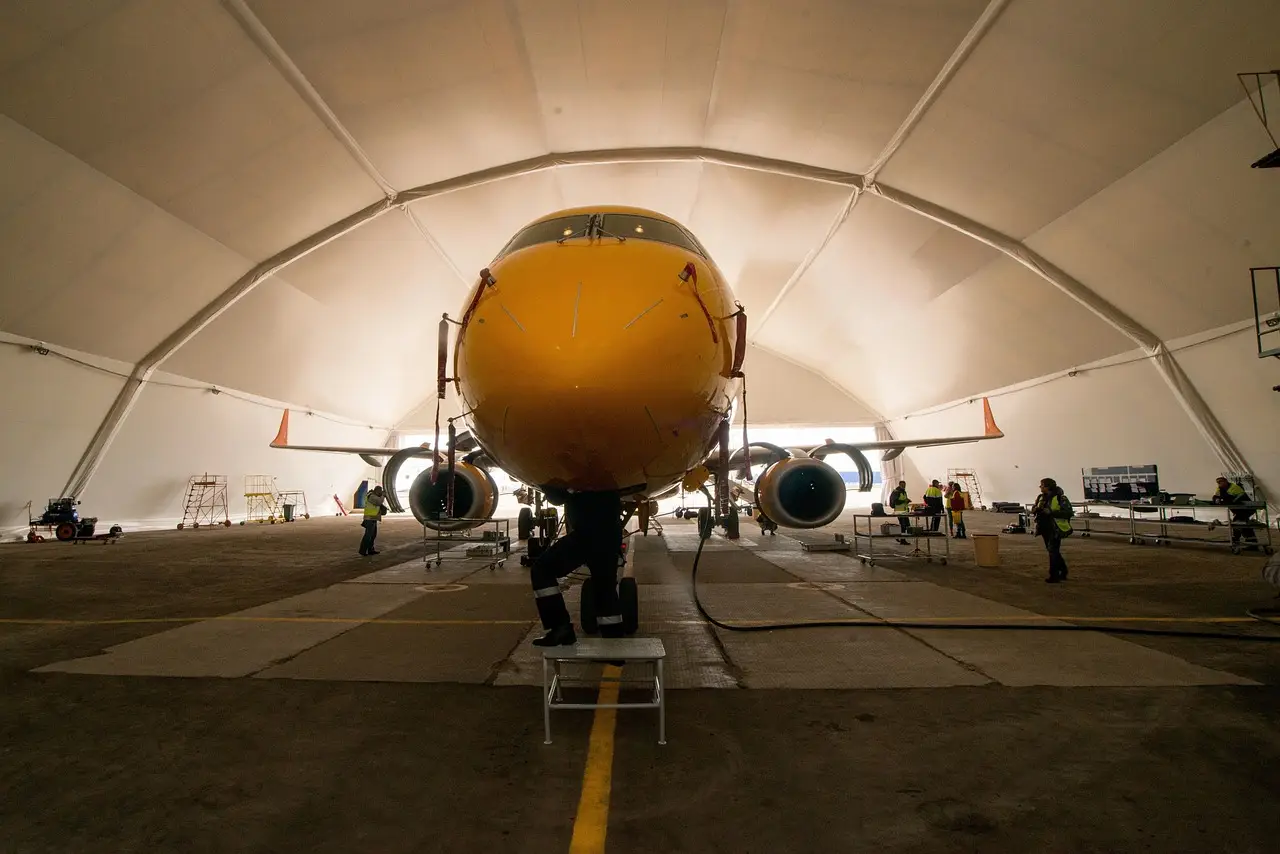
On the morning of November 4, Vietnam Airlines, FPT and Skywise signed a memorandum of cooperation. The agreement concerns the application of artificial intelligence across airline operations.
Signed during the Vietnam Aviation Exhibition and Forum, it creates a three-part research programme. The programme covers fleet reliability, technical maintenance and operational disruption.
Vietnam Airlines will contribute operating experience and data. Skywise, Airbus's digital services provider, will supply platform information. FPT will add AI development and system integration.
The programme will study applications that support data analysis, improve decision-making and optimise aviation operations and service quality. Deputy General Director Nguyen Chien Thang said: “This collaboration marks a significant step in our digital transformation journey, while reaffirming our commitment to continuously improving service quality and competitiveness, aiming to become a 5-star airline by 2030.”
Thang identified digital transformation and AI as long-term drivers for the airline. His operational priorities are fleet reliability, faster decisions and higher efficiency.
That goal extends beyond maintenance software, but it provides a service standard against which the programme can eventually be judged. The memorandum names no fleet count, budget, implementation date, baseline dispatch reliability or expected saving. No aviation regulator is named, and no aircraft system is described as certified for AI-assisted maintenance.
No live performance result is reported: three parties have agreed to investigate, while schedule and capacity benefits remain objectives. That distinction is less elegant than the 2030 ambition, but considerably more useful.
What will the AI workstreams change?
The initial phase divides into three areas. Each is intended to affect a different part of aircraft availability.
- Fleet reliability: The programme will seek to improve aircraft reliability. It should protect the ability to maintain flight schedules and raise fleet-utilisation efficiency.
- Technical maintenance: The parties will explore integrating Skywise technical data with maintenance plans, spare-parts availability and operating schedules. The objective is better forecasting, maintenance planning and aircraft operational readiness.
- Operational disruption: AI will be studied to evaluate adjustment options and restore operations. The intended reductions cover processing time, cascading schedule impacts and passenger inconvenience.
The operational logic is sound. Better information can help the airline plan work, locate parts and protect aircraft availability before a disruption spreads.
The arithmetic is simpler than the results. No numerical trigger, response time or gain threshold accompanies the three workstreams. Cost, capacity and network benefits therefore cannot yet be calculated.
How will the data be controlled?
According to the memorandum, Vietnam Airlines, FPT and Skywise jointly own the extracted data. None may use that data to train AI models or provide it to third parties without consent from all three.
The rule should preserve Vietnam Airlines' control during research, development and evaluation. It also provides a basis for later cooperation.
This is the programme's firmest safeguard, and considerably more concrete than its savings case. The announcement does not disclose technical security controls, audit arrangements or data-retention periods. Governance therefore remains contractual rather than operationally detailed.
Who supplies what to the programme?
Chu Thi Thanh Ha chairs FPT Software, part of FPT Group. She said AI can help airlines innovate operations and create additional growth. FPT plans to apply its AI and technical capabilities to practical aviation problems. The company will link global-partner experience with Vietnam's technology workforce.
Skywise chief executive Marc Lemeilleur put the case plainly. Platform value depends on airlines and strategic technology partners using data for real-world operational challenges. He assigned Vietnam Airlines the practical operating experience and insights. FPT will provide technical capability and system integration for large-scale solutions.
On paper, the division is tidy. Airline data and context come first, followed by FPT engineering and integration, then Skywise platform information. A memorandum, however, is not an operating result. Three declared workstreams remain three promises until the parties publish what they built and what it changed.
Can the memorandum become an operating result?
The next credible checkpoint is a disclosed baseline. Measured dispatch reliability, maintenance lead time, disruption-recovery speed and cost data should follow across a defined fleet. The parties should also state which aircraft systems have passed safety approval. They should say when any live service begins.
Until then, Vietnam Airlines' 2030 five-star ambition remains well ahead of the evidence. The technology has a plausible route to fewer delays and better aircraft availability. Its value will be set by delivery records, measured gains and published results, not by the agreement alone.
via Google News: Aviation MRO (Source)
More from Grace Kim
Show full bio
News editor covering companies, deals and strategy in Commercial aviation industry coverage at Flightdeck Report.
567 articles
Same bay
- FDR664Vietjet turns to Thales for aircraft maintenance support · September 30, 2026
- FDR603FAA to Spend $875 Million on AI for Air Traffic Systems · October 10, 2026
- FDR106FAA Turns to Artificial Intelligence to Manage US Airspace · September 27, 2026
- FDR187FAA to Deploy AI-Enhanced Software for National Airspace Management · September 26, 2026
- FDR390FAA Turns to Artificial Intelligence to Reform Air Traffic Control · October 9, 2026