Clearance CLR-6548 · MRO555
MROVIE
MRO & AftermarketClearance sheet
Vietnam's PM asks Airbus to study MRO centers at two new airports
Vietnam's PM asked Airbus to study MRO centers at Long Thanh and Gia Binh airports, plus technology transfer and training, as Airbus marks 40 years in the country.
Read-back
- PM Le Minh Hung met Airbus International President Wouter van Wersch in Hanoi on November 4.
- The meeting marked Airbus's 40th anniversary of operations in Vietnam.
- Hung proposed MRO centers at Long Thanh and Gia Binh international airports.
- Vietnam cites a population above 100 million and rising incomes as demand drivers.
- No investment figure, timeline or signed agreement accompanied the proposals.
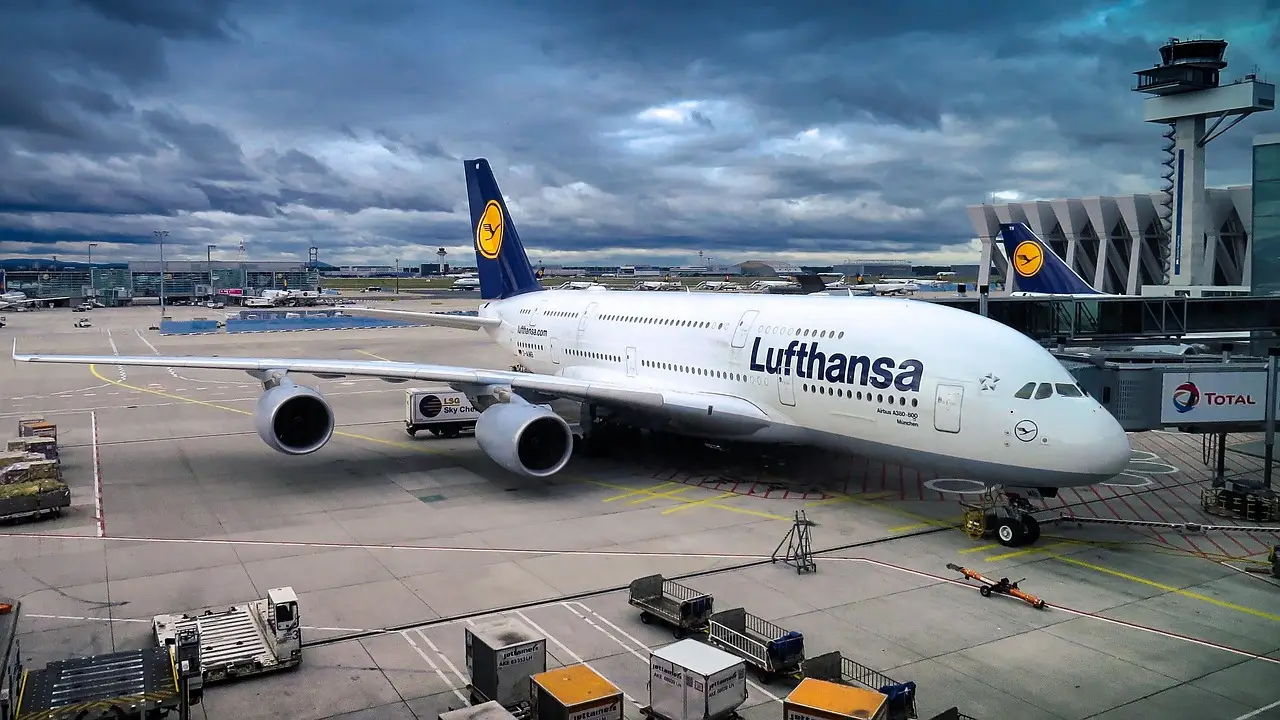
Vietnam's Prime Minister Le Minh Hung has asked Airbus to study building aircraft maintenance, repair and overhaul (MRO — the industry's term for scheduled servicing and heavy checks) centers at two of the country's flagship airport projects: Long Thanh and Gia Binh international airports. The request came at a meeting with Wouter van Wersch, President of Airbus International, in Hanoi on November 4, timed to the manufacturer's 40th anniversary of operations in Vietnam.
The proposal is the clearest signal yet that Hanoi wants to convert a large aircraft-buying relationship into an industrial one. Four decades of Airbus presence in Vietnam have rested chiefly on sales to local carriers. The prime minister's framing pushes past that: technology transfer, manufacturing capacity, research, and workforce training all appeared on his list of priorities.
Why Hanoi is pushing now
Hung anchored his pitch in demand fundamentals. Vietnam has a population of more than 100 million, rising incomes, and two major infrastructure projects underway in Long Thanh and Gia Binh. Together, he argued, these create substantial demand for aviation industry development and fleet expansion.
Both airport projects sit inside a wider plan. Vietnam is linking them to new logistics infrastructure and special economic zones, a combination designed to anchor industrial activity around the airfields rather than just passenger throughput. An MRO base would give that plan a concrete industrial tenant.
The prime minister also invoked the scale of the Comprehensive Strategic Partnership between Vietnam and France, urging Airbus to pursue projects commensurate with that relationship and to help strengthen Vietnamese businesses and build a broader aviation ecosystem.
What does this change for airlines and suppliers?
For Vietnamese carriers, the immediate practical stakes are fleet and network. Hung asked Airbus to support the airlines in implementing existing aircraft supply agreements and contracts — a pointed phrase, given the industry-wide backlog that has stretched delivery timelines at every manufacturer. Meeting fleet expansion needs and opening new routes depends on those aircraft arriving.
For suppliers and investors, the MRO question is the structural one. Vietnam's fleet growth has so far depended heavily on maintenance capacity abroad. Local MRO centers at Long Thanh and Gia Binh would shorten ground time, cut ferry costs, and give the surrounding economic zones an anchor industry. No timeline, investment figure or facility size was discussed at the meeting — the request is at the exploratory stage.
The prime minister's priority list extended further:
- Accelerating aerospace projects with Vietnamese partners
- Technology transfer, research and high-quality workforce training
- Improving manufacturing capacity, safety oversight and flight operations
- Closer cooperation with Vietnamese agencies in the space sector
Airbus's response — commitment, not contracts
Van Wersch welcomed the proposals and reaffirmed Airbus's ambition to build a long-term partnership with Vietnam that extends beyond aircraft supply to developing the country's aviation capabilities.
Airbus restated its strategic commitment to cooperation in commercial aviation, space, industrial manufacturing, technology transfer and workforce training. The company also signaled interest in expanding collaboration into digital transformation and artificial intelligence.
What is missing, so far, is any binding agreement. Nothing in the meeting produced a signed MRO commitment, an investment amount or a delivery schedule tied to the airlines' supply contracts. The conversation sets a direction; the projects themselves remain to be negotiated.
The next measurable step to watch is whether Airbus converts the MRO study request into a formal feasibility engagement at Long Thanh or Gia Binh, and whether Vietnam's aircraft orders move up delivery queues as part of the bargain.
via Google News: Aviation MRO (Source)
More from Sophie Lindqvist
Show full bio
Senior reporter covering people, launches and day-to-day practice in Commercial aviation industry coverage at Flightdeck Report.
570 articles
Same bay
- FDR985Emirates puts A350 on all four daily Vietnam flights by December · October 29, 2026
- FDR694Long Thanh airport to open on 24 December 2026 at 366 weekly flights · November 2, 2026
- FDR909Vietnam Invites CAE to Scope Regional Aviation Training Hub · September 27, 2026
- FDR360Vietnam Invites CAE to Study Regional Aviation Training Hub · September 27, 2026
- FDR193Vietjet enters European Union with Hanoi–Almaty–Prague A330 services · October 12, 2026