Clearance CLR-4049 · AIR168
AIRVIR
Aircraft & EnginesClearance sheet
Virgin Australia pushes first 737 MAX 10 delivery to June 2028
Virgin Australia slips its first 737 MAX 10 to June 2028 after FAA certification, while fuel costs above $700 million force domestic capacity cuts of 5 per cent.
Read-back
- Virgin Australia expects its first 737 MAX 10 in June 2028, revised from late 2027.
- The FAA certified the 737 MAX 10 after more than five years of safety test flights.
- Virgin will take 10 MAX 10s in total, from an order first placed in 2018.
- Fuel costs for the six months to December 2026 are expected to exceed $700 million.
- Virgin posted a $279 million underlying profit last year and has cut domestic capacity 1 per cent since July.
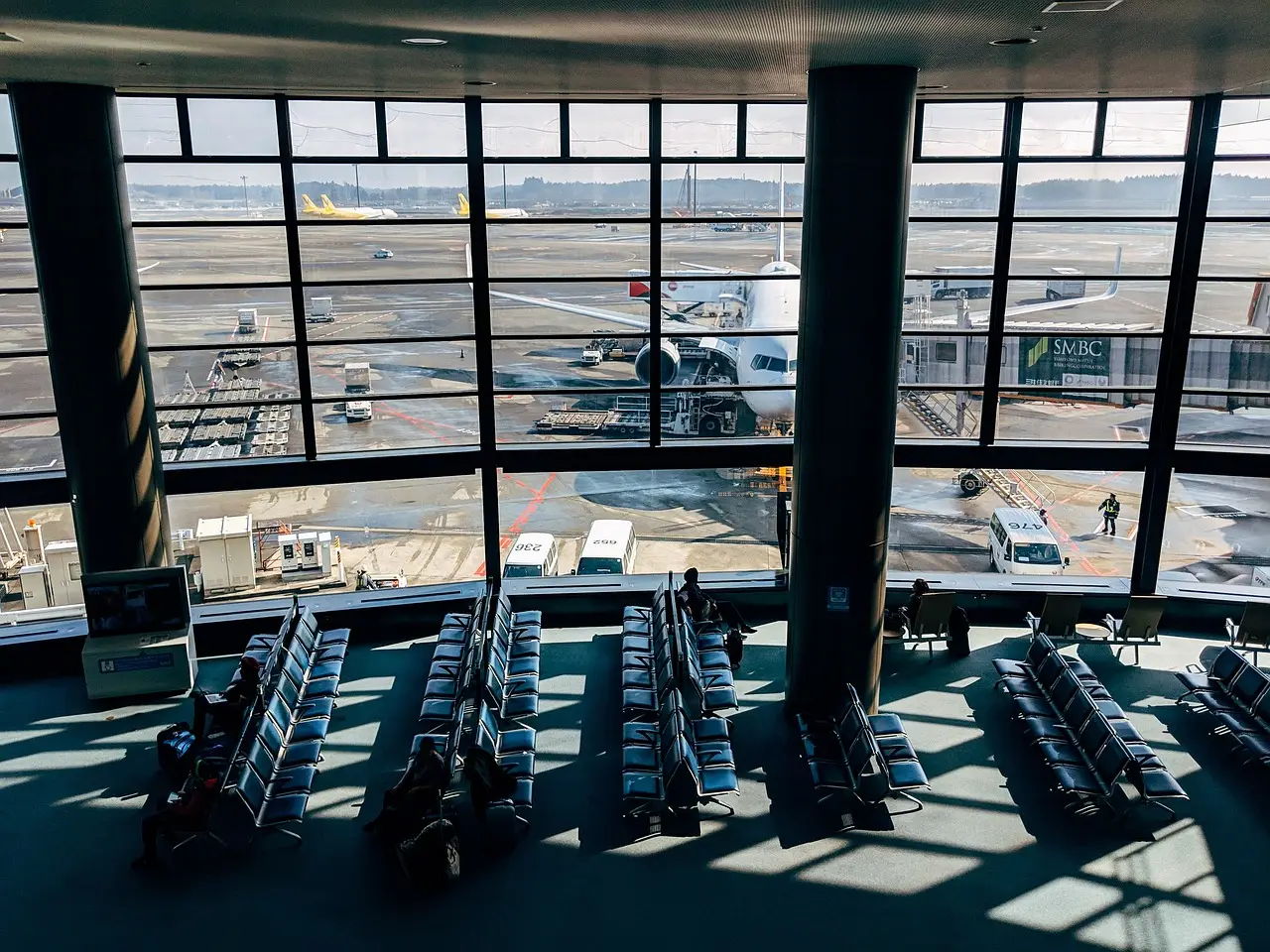
Virgin Australia now expects its first Boeing 737 MAX 10 in June 2028, a slip from the late-2027 target it disclosed only weeks before the US Federal Aviation Administration certified the type. The revision, announced to the Australian Securities Exchange on Tuesday, pushes the carrier's fleet renewal milestone out by roughly six months despite the regulatory path finally clearing.
The airline stated that further deliveries are scheduled for FY29. Virgin will take 10 MAX 10s in total, an order restructured several times since it was first placed in 2018.
What does certification actually change?
The FAA granted the MAX 10 its official certification after more than five years of safety test flights. US Transportation Secretary Sean Duffy framed the approval in expansive terms: "After extensive safety reviews – including thousands of hours of test flights – the team at the FAA is ready to approve this critical aircraft for sale."
Duffy added: "This is a major win for American manufacturing and our nation's status as a global aviation powerhouse."
For Virgin, the certificate resolves one uncertainty and leaves another. The carrier has waited since as early as 2021, and it has dwindled its order over the years, swapping many MAX 10s for the smaller but operational MAX 8. Certification confirms the aircraft can be sold; it does not confirm when Boeing's production line will reach a 10-unit Australian allocation.
Why the MAX 10 still matters to Virgin
Virgin CEO Dave Emerson said the 737 MAX 10 will be the largest aircraft in the carrier's fleet and give Virgin "more capacity and more flexibility" across its network.
"This is an important next step in our fleet renewal program as we continue building a younger, quieter and more fuel-efficient fleet," Emerson said. "Fleet renewal is the single biggest lever we have to reduce emissions in the near term, and the 737-10 will build on the benefits we are already seeing from the 737-8."
In plain terms, the type adds seats per departure on routes where Virgin cannot easily add frequencies. That capacity argument now depends on a delivery stream that begins in mid-2028.
How does the fuel crisis shape the timing?
The delivery revision lands as Virgin told the ASX its financial standing remains "broadly in line" with its profitable first-half FY2025–26 results, despite the ongoing fuel crisis.
Like its rival Qantas, Virgin intends to cut domestic capacity and raise airfares to stabilise operating costs. The airline expects fuel costs for the six months to December 2026 to exceed $700 million. Previous hedging agreements have kept that figure "consistent" with earlier expectations, though Virgin anticipates higher fuel costs through to the end of June 2027.
"Domestic demand remains resilient, with revenue performance supported by disciplined capacity management," Virgin told shareholders. "Considering the high fuel and operating cost environment, Virgin Australia has adjusted capacity and airfares."
The numbers behind the capacity squeeze
The cuts are specific:
- Virgin has reduced domestic capacity by 1 per cent since July this year.
- A further 4 per cent cut follows by December.
- Revenue per available seat kilometre is nonetheless due to rise between 6 and 8 per cent through to December 2026.
With that strategy, Virgin expects earnings before interest and tax for the six months to December 2026 to be "broadly in line" with last year's result, which delivered a $279 million underlying profit. Fewer seats, higher fares, roughly the same earnings: a formula that works until demand bends.
What comes next
The MAX 10's arrival in June 2028 now sits beyond Virgin's current fuel-cost horizon, which the airline itself extends only to June 2027. Between now and first delivery, the carrier must manage a shrinking domestic schedule and rising fuel bills with the MAX 8 fleet it already holds.
via australianaviation.com.au (Source)
More from Grace Kim
Show full bio
News editor covering companies, deals and strategy in Commercial aviation industry coverage at Flightdeck Report.
583 articles
Same bay
- FDR768FAA Certifies Boeing 737 MAX 10, the Longest MAX Variant · October 20, 2026
- FDR734FAA certifies Boeing 737 MAX 10, unlocking 1,555-order backlog · October 21, 2026
- FDR343FAA to Delay 737 MAX 10 Approval Over New Software Glitch · September 30, 2026
- FDR593Boeing holds MAX output at 42 a month as FAA clears two variants · October 30, 2026
- FDR520FAA Certifies Boeing 737-10, Clearing Deliveries of 1,555-Order Backlog · October 30, 2026