Clearance CLR-4064 · AIR339
AIRWAS
Airspace & RegulationClearance sheet
Washington Post opinion piece reignites US ATC privatization debate
The Washington Post has published an opinion piece arguing that privatizing US air traffic control would produce safer skies, reviving a long-running aviation policy debate in Washington.
Read-back
- Washington Post published opinion piece headlined 'Privatized air traffic control would mean safer skies'
- Editorial centers safety as the case for change rather than funding or modernization
- US air traffic control currently operated by FAA as a federal government service
- Privatization debate has repeatedly failed to clear Congress in past sessions
- Nav Canada and NATS operate as reference models for non-government ATC structures
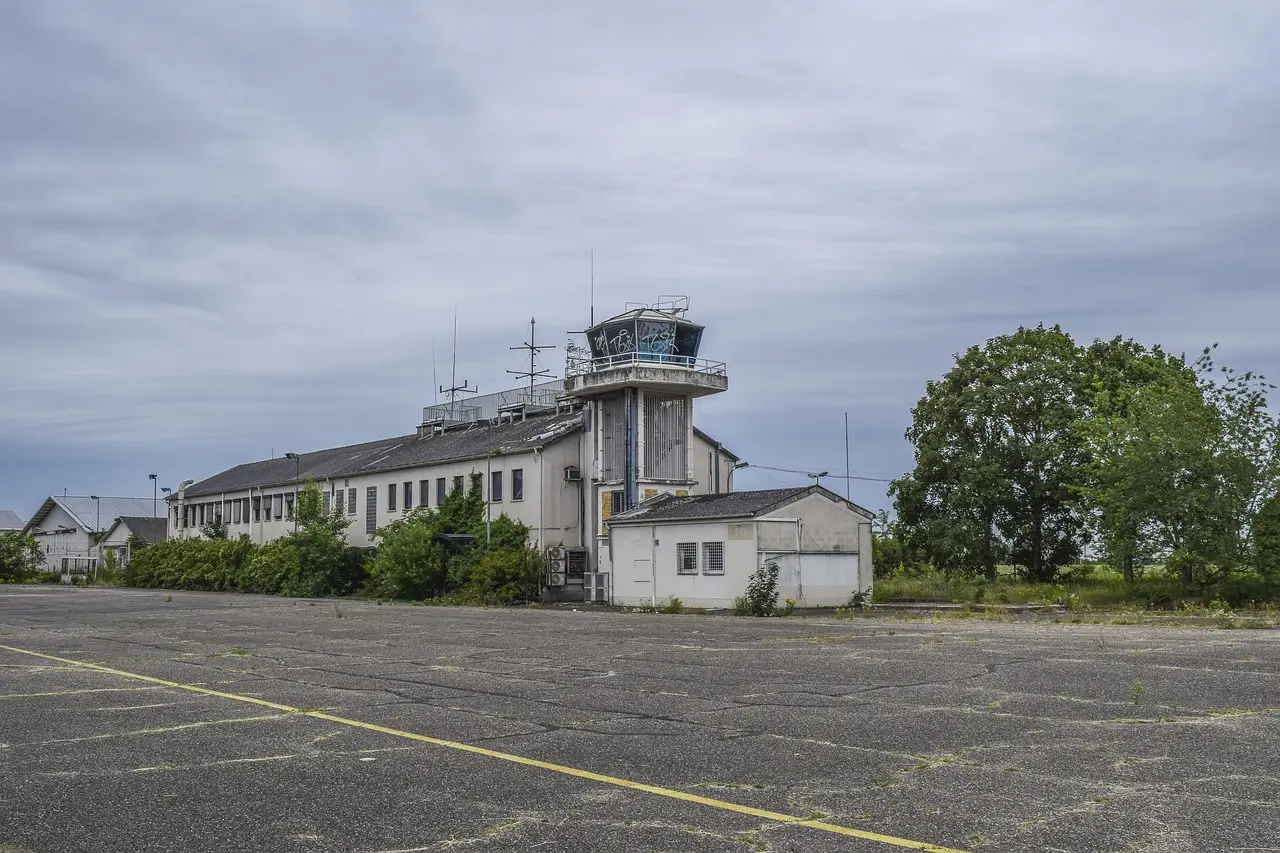
The Washington Post has published an opinion piece arguing that privatizing US air traffic control would produce safer skies, placing a long-running aviation policy debate back in front of industry readers.
The editorial, headlined "Privatized air traffic control would mean safer skies," leads with safety rather than the funding and modernization arguments that have shaped similar debates in past sessions of Congress.
What does the editorial argue?
The headline frames safety as the central justification for moving ATC out of federal hands. Previous US debates have typically led with funding stability, technology modernization or labor relations. The safety-first framing therefore marks a deliberate shift in emphasis for a question that has failed to clear Congress in past attempts.
In the United States, ATC remains a government service operated by the Federal Aviation Administration through federal appropriations. Critics of the current model argue that technology upgrades suffer under budget volatility, and that staffing decisions are tied to political cycles rather than operational demand. Defenders counter that a single national regulator is the safer structure, with no commercial intermediary sitting between controllers and pilots.
How do other countries run ATC?
Privatization advocates point to comparable systems abroad. Nav Canada operates the Canadian ATC network as a non-profit private entity, financed through user fees rather than general taxation. NATS runs the United Kingdom's system under a public-private partnership that sits outside direct government payroll. Both organizations operate with multi-year funding visibility and can plan technology investments across electoral cycles.
A non-government operator can borrow against future revenue and issue long-term bonds to fund capital programs. The FAA, as a federal agency, lacks that financial tool. Proponents argue the constraint is the binding limitation on US ATC modernization, including the slow transition from radar-based to satellite-based surveillance. Opponents respond that commercial debt introduces cost-of-capital pressures the current model avoids.
What changes for airlines and operators?
A shift would alter how carriers pay for ATC services. Today, US operators contribute indirectly through aviation fuel taxes deposited into the Airport and Airway Trust Fund, a structure airlines have historically called opaque and disconnected from the services they actually consume. A user-fee model would charge carriers based on aircraft weight, distance flown and airspace class, matching the cost line to the service consumed and exposing usage patterns that the current tax does not.
The FAA would in principle keep its safety rulemaking, certification and oversight role. The new operator would handle separation services, airspace management, controller training and equipment procurement, mirroring the division that exists in Canada and the United Kingdom today.
What does this change for travelers?
For now, nothing immediate. The opinion piece contributes to a recurring policy argument, not to active legislation. Any restructuring would require congressional approval, a step that has repeatedly failed despite support from major airline groups and opposition from some controller labor organizations.
What should industry readers watch?
The editorial lands at a moment when controller staffing shortages and runway incursion reporting remain under public and Congressional scrutiny. Whether the piece shifts the political calculus depends on whether carriers, labor groups, the FAA and the relevant subcommittees respond publicly. A renewed safety narrative is the variable most likely to move a debate that has otherwise stalled across multiple Congresses.
via Google News: Air traffic control and airspace (Source)
More from Sophie Lindqvist
Show full bio
Senior reporter covering people, launches and day-to-day practice in Commercial aviation industry coverage at Flightdeck Report.
556 articles
Same bay
- FDR473Canada's Air Traffic Control Model Holds Lessons for US Reform · October 14, 2026
- FDR253Reason Foundation Takes Aim at FAA's Dual Safety Mandate · September 28, 2026
- FDR235Reason Foundation questions $30 billion ATC modernization plan · October 16, 2026
- FDR304Congress Weighs Aviation Safety Upgrades After Close-Call Surge · October 9, 2026
- FDR928US Pursues Additional $30 Billion for ATC Modernization · September 30, 2026