Clearance CLR-7170 · AIR249
AIRWHY
Air CargoClearance sheet
Why Airlines Keep Coming Back to the Boeing 777 Freighter
The 777F lifts about 102 tonnes over 9,200 km, and no certified rival matches that today. Here is why cargo operators keep reordering Boeing's freighter.
Read-back
- The 777F carries roughly 102 tonnes of payload over about 9,200 km.
- The aircraft is the all-cargo derivative of the 777-200LR airframe.
- No in-production rival freighter currently matches its payload-range combination.
- The Airbus A350F targets a similar mission but is not yet in service.
- Post-pandemic belly-capacity shortfalls and e-commerce growth support dedicated freighter demand.
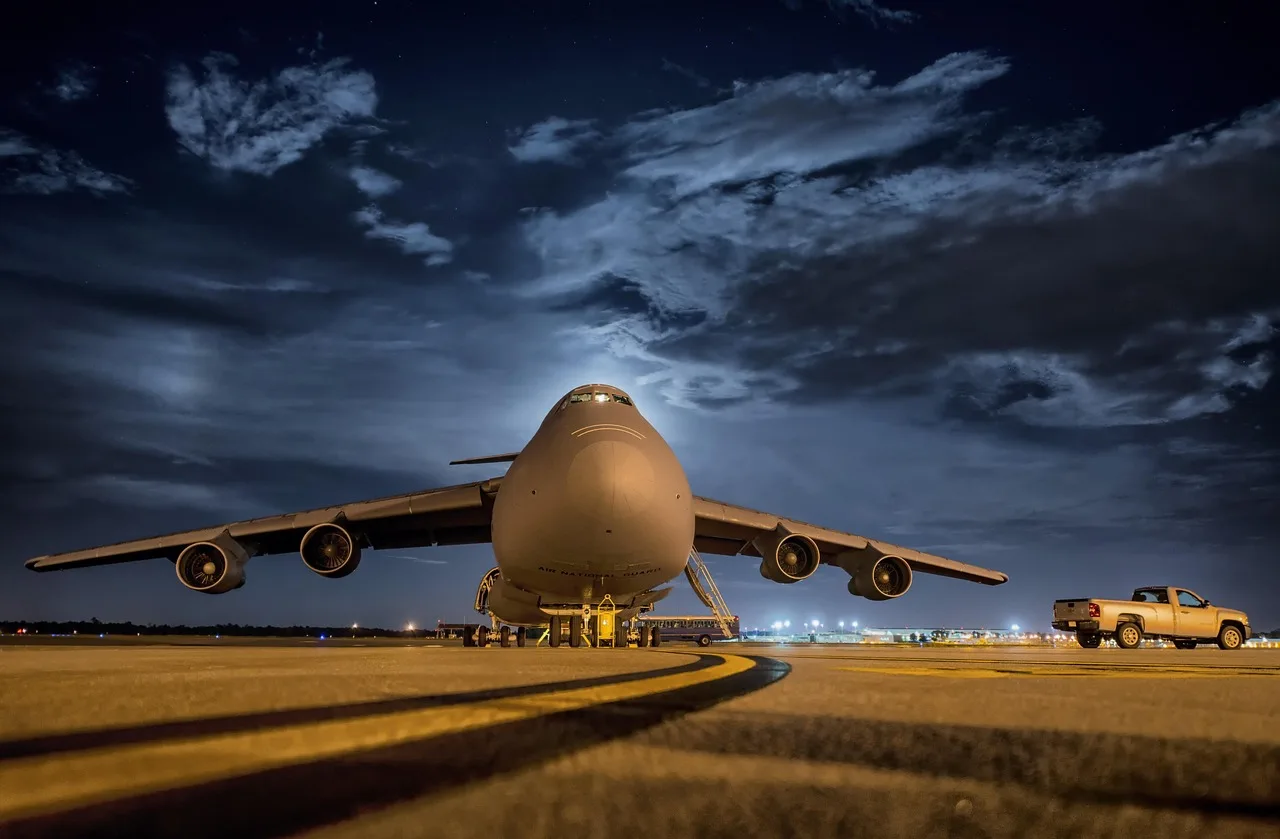
The Boeing 777 Freighter remains the aircraft cargo operators keep choosing when they need to move heavy loads long distances, and no direct replacement for it is currently in service. That single sentence explains most of the 777F's commercial story. Airlines and integrators keep ordering it because nothing else on the market carries as much payload as far on a single flight.
The 777F is the all-cargo version of the 777 passenger aircraft. It shares the airframe, engines and systems of the 777-200LR, which gives it the long range of that variant plus a main-deck freight door. The result is an aircraft sized between the medium-widebody freighters and the outsize 747F.
What does the 777F actually do better?
Three numbers define its sales case: payload, range and volume. The aircraft lifts roughly 102 tonnes of cargo and flies about 9,200 km with a full load. That puts transpacific and long intercontinental freight operations within reach without a fuel stop. Freighters derived from smaller twin-aisles carry less per departure, so a network needs more flights to move the same tonnage.
The main deck also takes full-height pallets and containers. Lower-deck freight alone, carried in the bellies of passenger jets, cannot handle oversized pieces or dense industrial cargo. The 777F covers both roles in one airframe.
Who operates it
The type serves a broad mix of customers. Integrators fly it on scheduled express networks, where volume per departure drives unit cost. Combination and all-cargo airlines use it on long-haul trade lanes. The 777F appears across fleets in North America, Europe, the Gulf and Asia, which points to a common conclusion: on routes where payload and range both matter, the aircraft earns its keep.
Leasing companies have also ordered the type, a signal that lessors expect durable demand from airlines that prefer not to own freighters outright.
The belly-freight problem
The 777F benefited from a structural shift in the industry. During the pandemic, passenger flights stopped and belly capacity — the cargo space in passenger aircraft — disappeared almost overnight. Freighters suddenly carried the market. Even with passenger networks recovered, widebody belly space on some long-haul routes remains thinner than before, because operators fly fewer widebody frequencies on certain lanes.
That gap supports dedicated freighter demand. E-commerce has added another push: parcel traffic moves on tight schedules across long distances, which favors an aircraft that can lift a full load and fly through the night to a sorting hub.
Why no replacement exists
Boeing's own 767F and 747-8F bracket the 777F on either side — the 767F smaller and cheaper to operate on shorter sectors, the 747-8F larger with nose-loading capability for outsize freight. Neither matches the 777F's payload-range balance.
Airbus has no competing freighter in this size class. The A330-200F sold in small numbers and is out of production. The proposed A350F, the freighter derived from the A350 passenger jet, targets a similar mission but is still in development rather than service. Until it arrives in numbers, an airline that needs roughly 100 tonnes of payload over 9,000 km has one current option from a manufacturer with an in-production, certified product.
The secondhand market offers no relief either. Freighters convert from retired passenger aircraft, and conversion programs exist for the 777-300ER and 777-200ER. But converted aircraft carry less payload than the factory-built 777F and lack the original freighter's structural optimization. Airlines that need maximum tonnage buy new-build.
Cost per tonne
A freighter's economics come down to cost per tonne-kilometre. Two engines instead of the 747's four cut maintenance and fuel burn per trip. The 777's containerized loading keeps turnaround times short. On dense long-haul lanes, those factors offset the higher capital cost of a new widebody freighter.
Utilization matters as much as purchase price. Cargo aircraft often fly more hours per day than passenger jets because they carry no passenger schedule constraints. An aircraft that flies long sectors at high utilization spreads its ownership cost across more tonne-kilometres.
What does this change for operators?
For airlines, the practical answer is that fleet planning in the large-freighter segment stays simple: the 777F is the default, and alternatives are either smaller, larger, converted or not yet flying. For Boeing, the type remains one of the strongest performers in its cargo portfolio, with orders continuing as operators renew freighter fleets.
The open question is production. The 777F depends on the 777 production line, and Boeing's delivery performance in recent years has shaped how quickly operators can actually take aircraft. Backlog, not demand, sets the pace of freighter fleet growth.
For now, the market has answered with repeat orders. Until a certified competitor matches its payload and range in service, the 777F keeps its place as the long-haul freighter against which every new cargo aircraft will be measured.
By Sophie Lindqvist
via Google News: Air cargo (Source)
More from Sophie Lindqvist
Show full bio
Senior reporter covering people, launches and day-to-day practice in Commercial aviation industry coverage at Flightdeck Report.
560 articles
Same bay
- FDR330Air China Cargo takes 14th 777 freighter as fleet standardises · October 17, 2026
- FDR175Air China Cargo Takes 14th Boeing 777 Freighter Into Fleet · October 9, 2026
- FDR976Air China Cargo Takes 14th Boeing 777F Into Fleet · October 9, 2026
- FDR947My Freighter Adds Another Boeing 767 to Expanding Cargo Fleet · October 10, 2026
- FDR378Alaska Airlines to Retire 737-700 Fleet by Next Year · October 11, 2026