Clearance CLR-7325 · SUS404
SUSZIM
SustainabilityClearance sheet
Zimbabwe Receives ICAO Study on Sustainable Aviation Fuel
Zimbabwe's government has received ICAO's sustainable aviation fuel business implementation study, providing a planning baseline for possible entry into SAF production.
Read-back
- Zimbabwe's government received a SAF business implementation study report from ICAO
- ICAO is the UN agency that sets global aviation standards and supports member states on SAF readiness
- The report provides the planning baseline for possible Zimbabwean SAF production
- The study's detailed contents and recommendations have not been made public
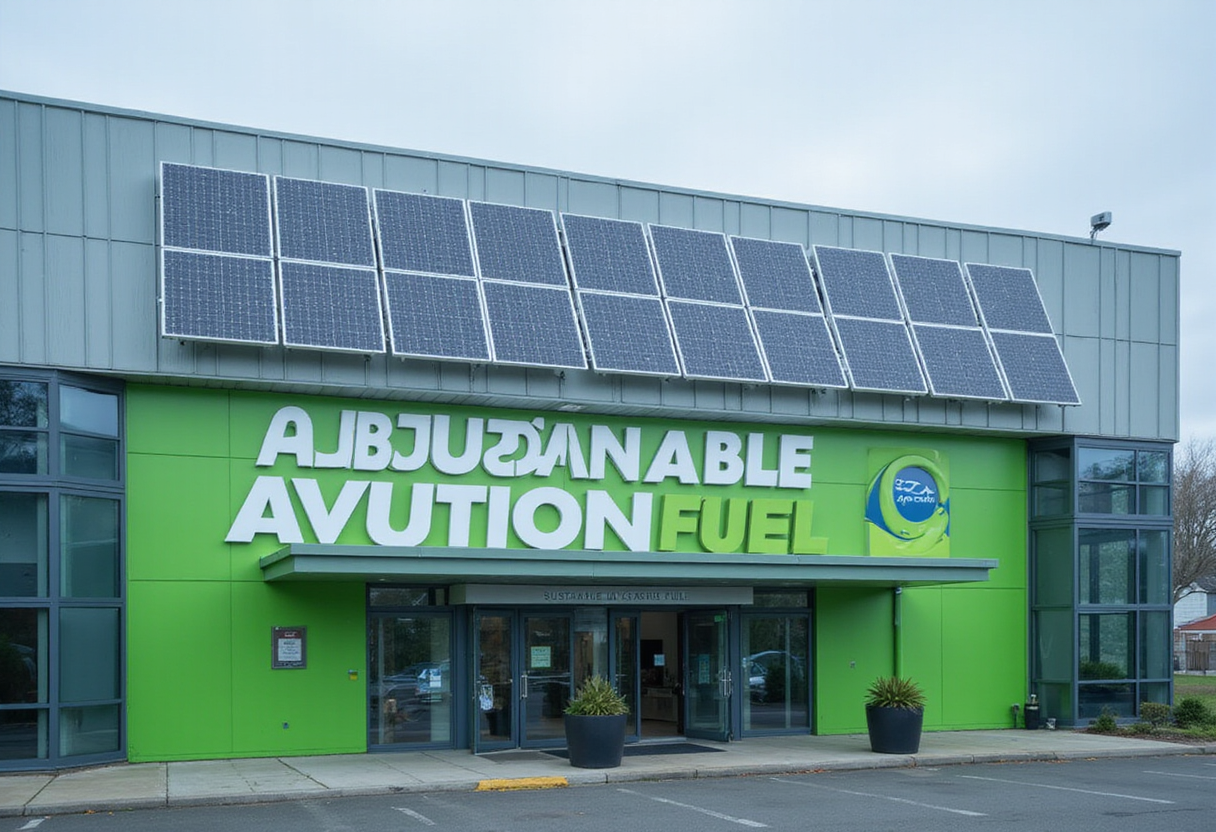
Zimbabwe's government has received a sustainable aviation fuel (SAF) business implementation study report from ICAO, the International Civil Aviation Organization, moving the country a formal step closer to participation in the emerging market for lower-carbon jet fuel.
The handover of the study marks the transition from feasibility-level interest to a documented implementation pathway. ICAO, the United Nations agency that sets global aviation standards, has been assisting member states with SAF readiness through structured studies that assess feedstock availability, production economics and regulatory fit.
What does the report change for Zimbabwe?
For a government weighing entry into SAF production, the study provides the planning baseline. A business implementation report typically sets out what a national SAF programme would require in investment, feedstock and policy support, and identifies which government bodies must act first.
Zimbabwe brings relevant raw material potential to the table, and a credible study would map that feedstock base against viable conversion pathways. Until the report's contents are published, the scope of its recommendations remains outside public view.
Why SAF matters for the region
SAF is the aviation industry's principal near-term lever for reducing lifecycle carbon emissions, and ICAO's global framework — including the CORSIA offsetting scheme — increasingly pushes states toward supply-side action. States that establish production early position themselves as suppliers to airlines facing rising blending mandates in Europe and elsewhere.
The study's arrival signals government intent. The next measurable milestones will be policy decisions: whether Zimbabwe adopts SAF production targets, allocates land or capital, and engages private investors to build processing capacity.
Implementation timelines will depend on how quickly the government acts on the report's findings and whether financiers judge the business case robust enough to commit.
via Google News: Sustainable aviation fuel (Source)
More from Sophie Lindqvist
Show full bio
Senior reporter covering people, launches and day-to-day practice in Commercial aviation industry coverage at Flightdeck Report.
499 articles
Same bay
- FDR550Regulators Turn to Data Centres, Power Plants and SAF · September 30, 2026
- FDR432CEPU Chief Puts Sustainable Aviation Fuel at Center of China Debate · September 27, 2026
- FDR783Nature review maps SAF feedstocks and processes for global-scale output · October 10, 2026
- FDR750Nigeria's NCAA and AAAU pursue SAF technical capacity · October 10, 2026
- FDR542Philippines Backs Asean Effort to Develop Sustainable Aviation Fuel · October 9, 2026