Clearance CLR-2145 · SUS550
SUSREG
SustainabilityClearance sheet
Regulators Turn to Data Centres, Power Plants and SAF
Sustainable Views' regulatory review spans data centres, power plants and SAF — three fronts that intersect with aviation decarbonisation and airline compliance costs.
Read-back
- Sustainable Views published a regulatory review covering data centres, power plants and sustainable aviation fuels
- Grid carbon intensity rules feed into lifecycle accounting for future electric and hydrogen aircraft
- SAF mandates in the EU and UK translate directly into airline procurement costs
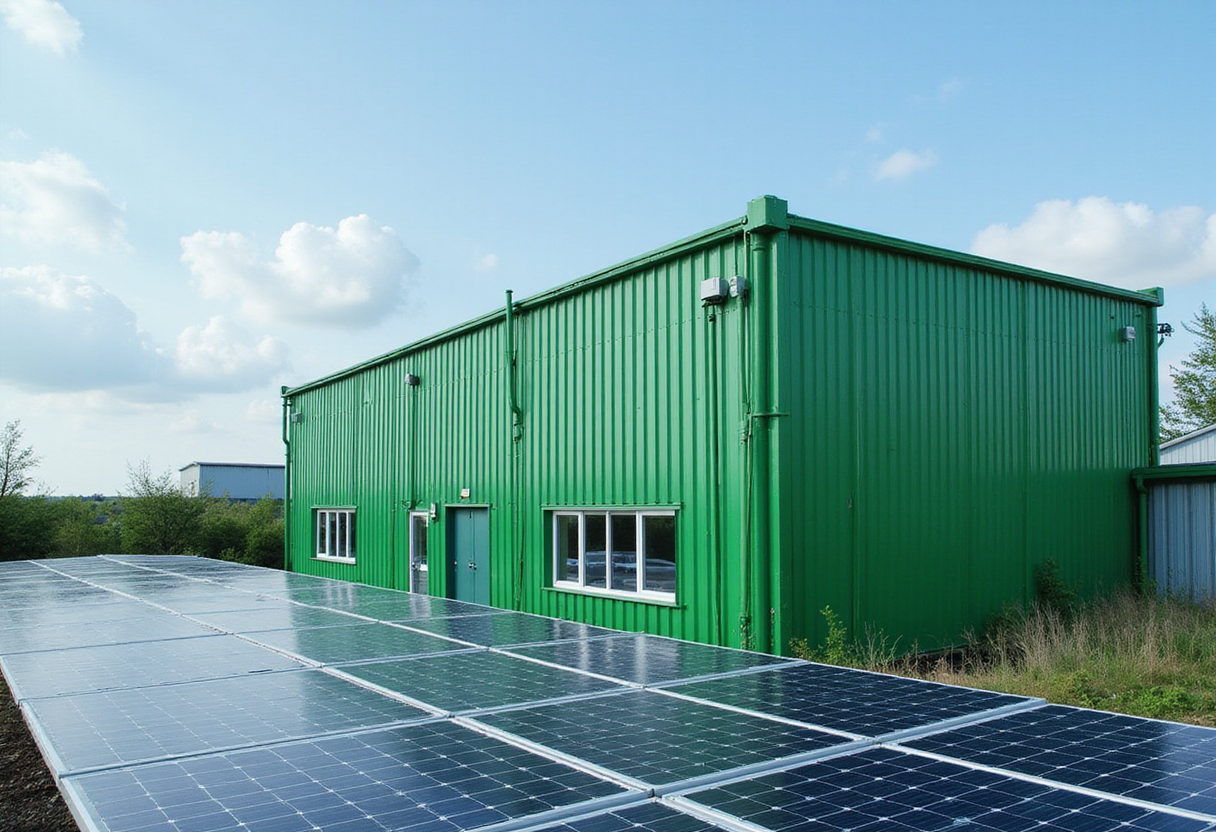
The latest regulatory review from Sustainable Views spans three fronts that increasingly intersect with aviation's decarbonisation agenda: data centres, power plants and sustainable aviation fuels.
The headline itself signals where supervisory attention is moving. Data centres and power generation sit upstream of aviation's emissions problem — the electricity grid determines the lifecycle accounting of battery-electric and hydrogen aircraft concepts, while compute infrastructure shapes how airlines, OEMs and regulators model and verify emissions data. Sustainable aviation fuel policy remains the third leg of that stool, and it is the one with the most direct near-term consequence for airline operating costs.
For carriers, SAF mandates are no longer a theoretical compliance exercise. Blend obligations in the EU and the UK translate into a procurement cost question, with synthetic fuel pathways still short of industrial scale and HEFA feedstock constrained. Any regulatory movement on power plant rules or grid carbon intensity feeds back into the certification basis for future propulsion concepts, which in turn affects OEM investment decisions and lessor residual-value assumptions.
Data centre regulation, while apparently removed from flight operations, touches the sector through disclosure infrastructure. Emissions reporting, CORSIA verification and SAF certificate tracking all run on compute capacity whose own carbon footprint regulators now scrutinise. How that scrutiny lands will shape the audit trail airlines must maintain.
The full review covers the specific instruments and consultations in each of the three areas. Readers tracking SAF policy should watch for any movement on feedstock eligibility and book-and-claim accounting, since those two variables dominate the realistic supply outlook this decade.
via Google News: Sustainable aviation fuel (Source)
More from James Calloway
Show full bio
Staff writer covering industry trends and analytics at Flightdeck Report.
156 articles
Same bay
- FDR948ICCT examines financial levers to scale EU sustainable aviation fuel · September 28, 2026
- FDR474EASA Reports EU Sustainable Fuel Use Beat 2% Target in 2025 · September 28, 2026
- FDR171Geopolitical Risk Strengthens the Case for Sustainable Aviation Fuel · September 30, 2026
- FDR395Can Sustainable Aviation Fuel Get Off the Ground? Lawyers Weigh In · September 28, 2026
- FDR844New Zealand Aviation Sector Urges Government SAF Plan · September 30, 2026