Clearance CLR-7715 · SUS614
SUSBSU
SustainabilityClearance sheet
$1.4B Sustainable Aviation Fuel Plant Planned for Louisiana
A $1.4 billion sustainable aviation fuel plant is planned for Louisiana, adding Gulf Coast production capacity to a supply base that still covers a fraction of jet fuel demand.
Read-back
- A $1.4 billion sustainable aviation fuel plant is planned for Louisiana
- The Gulf Coast location offers refining infrastructure, pipeline access and port logistics
- SAF supply remains the binding constraint for airline offtake commitments
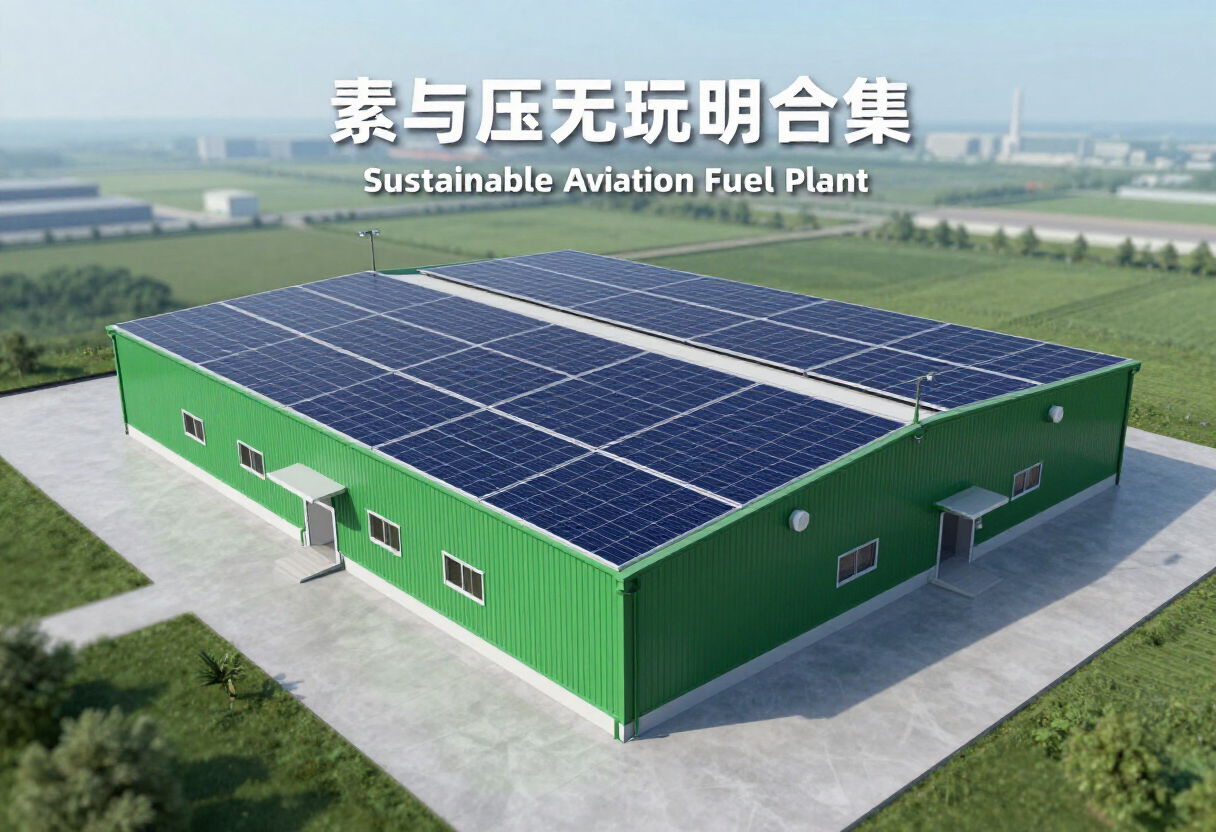
A $1.4 billion sustainable aviation fuel plant is planned for Louisiana, Aviation Week reports, marking one of the larger single investments in US SAF production capacity to date.
The project adds to a growing cluster of renewable fuel facilities targeting the US Gulf Coast, where existing refining infrastructure, pipeline access and port logistics reduce the capital and distribution costs of bringing alternative jet fuel to market. Louisiana in particular has attracted biofuel and renewable diesel investment because it combines feedstock import access via the Mississippi River corridor with proximity to major fuel distribution networks serving the Southeast and beyond.
For airlines, the announcement matters less for its headline value than for what it signals about supply. SAF remains scarce and expensive: current global production covers a fraction of a percent of commercial jet fuel demand, and carriers from United to Delta have signed multi-year offtake agreements precisely because committed volumes, not aspirations, are the binding constraint. Each new plant that reaches final investment decision and construction converts announced capacity into fuel that can actually be blended into the 50% ceiling currently permitted under ASTM D7566.
The regulatory backdrop reinforces the commercial case. US production incentives under the Inflation Reduction Act and state-level support have shifted the economics of renewable fuel projects, while the EU's ReFuelEU mandate — requiring 2% SAF blending at European airports from 2025, rising to 70% by 2050 — is pulling global supply toward carriers operating transatlantic networks. A Gulf Coast plant with export capability positions its output for both markets.
Cost remains the central question. SAF typically trades at a multiple of conventional Jet A, and airlines have so far absorbed the premium through limited corporate offtake programs and government-supported schemes rather than broad network adoption. Whether the Louisiana facility can produce at a cost that widens the buyer base beyond voluntary purchasers will determine its impact on airline operating economics rather than its stated capacity alone.
Timing is the other variable. Renewable fuel projects across the US have faced permitting delays, feedstock sourcing challenges and technology scale-up risk, and several announced plants have slipped their start-up dates or stalled before construction. The gap between announced SAF capacity and fuel actually flowing into wing tanks has been persistent industry-wide, and manufacturers' output projections warrant scrutiny against delivered volumes, not press releases.
If the Louisiana plant proceeds on schedule, it would add meaningful volume to a US SAF base that regulators and airlines alike are counting on to grow sharply over the next decade. The industry will be watching for a final investment decision, construction start and confirmed offtake agreements as the concrete tests of the project's viability.
via Google News: Sustainable aviation fuel (Source)
More from Sophie Lindqvist
Show full bio
Senior reporter covering industry trends and analytics at Flightdeck Report.
161 articles
Same bay
- FDR225Minnesota SAF plant to supply 30 million gallons yearly to MSP · September 30, 2026
- FDR722American Airlines Presses Ahead on Sustainable Aviation Fuel · September 30, 2026
- FDR618European SAF Supply Reaches 2.8% of Aviation Fuel · September 30, 2026
- FDR481Sustainable Aviation Fuel Market Forecast to Hit $43.75 Billion by 2034 · September 30, 2026
- FDR171Geopolitical Risk Strengthens the Case for Sustainable Aviation Fuel · September 30, 2026