Clearance CLR-3378 · AIR133
AIRSUN
Airspace & RegulationClearance sheet
1,960 Sunday Cancellations as US Ground-Stop Disruption Enters Third Day
1,960 flights were cancelled Sunday as the second nationwide US ground stop since 9/11 entered day three, with officials blaming a faulty air traffic control cable upgrade.
Read-back
- 1,960 flights were cancelled on Sunday, with about 6,000 cancelled across the weekend
- Friday's ground stop was the second nationwide order since 9/11, blamed on a faulty communications cable upgrade
- Over 55 Monday flights were already cancelled by Sunday evening, per FlightAware
- Transportation Secretary Duffy has requested $50 billion to modernise the air traffic control system
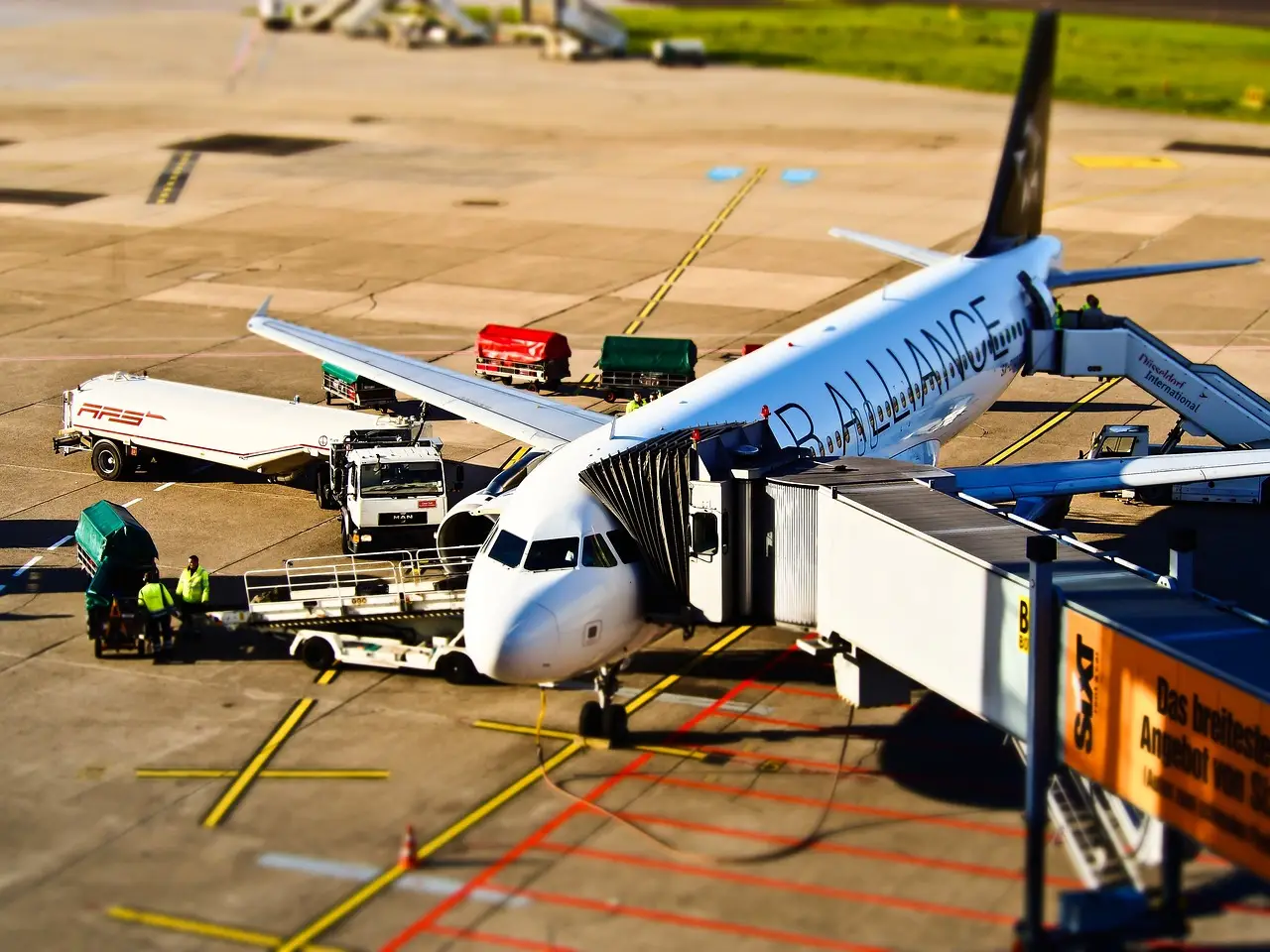
US carriers cancelled 1,960 flights on Sunday alone, extending into a third day on Monday the disruption triggered by a nationwide ground stop (a regulator-ordered halt of departures) issued Friday afternoon by US aviation authorities.
The weekend total reached roughly 6,000 cancelled flights, stranding thousands of passengers across the US network. The directive was only the second nationwide ground stop in busy US airspace since the grounding that followed the 9/11 attacks. The Trump administration attributed the failure to faulty work upgrading air traffic control communication cables.
By Sunday evening, more than 55 US-related flights — services within, into or out of the United States — scheduled for Monday had already been cancelled, according to industry tracker FlightAware. That figure signalled a sharp tapering of the disruption from Sunday's 1,960 cancellations.
What does this change for recovery timelines?
Official accounts diverged over the pace of normalisation. FAA (Federal Aviation Administration) chief Bryan Bedford said Saturday that air travel would return to normal by the close of business Sunday. Transportation Secretary Sean Duffy contradicted that timetable the next morning.
"So, in the airspace, we're going to see things come back to normal today, but probably fully normal tomorrow," Duffy said on ABC News. "We had airplanes and crews out of position because of Friday, so it takes a little bit of time to do that."
The mechanism behind the lag is straightforward. A ground stop strands aircraft and flight crews at airports away from their scheduled rotations. Airlines must first reposition that hardware and personnel before timetables can recover, which is why cancellations persist after the underlying technical fault is fixed.
Throughout the weekend, stranded passengers wandered through crowded terminals and sat on floors awaiting updates or rebooking, according to accounts from airports including Los Angeles International and Chicago O'Hare.
Who is accountable for the failure?
President Donald Trump broke days of silence on Sunday to assign blame to his predecessor. "The Biden Administration was an FAA disaster," Trump said. "Everything they touched turned bad. Big money spent unwisely, making an old and broken system worse than when they began."
Trump added that Congress — controlled by his own party for two years — must approve funds to upgrade what he called America's outdated air traffic control system. Democrats responded that the Republican-led Congress could already have acted.
Duffy rejected calls for his resignation over the chaos, arguing he inherited severely dated infrastructure, including radar equipment he said dates to the 1960s.
"So when we do work and things go wrong, of course I'm the secretary. But I also have to acknowledge what was delivered to me," Duffy said in a CNN interview.
Duffy has appealed for $50 billion to upgrade and modernise the air traffic control system, urging Congress to "meet this moment."
The episode has intensified scrutiny of US air traffic infrastructure in the world's largest economy, with the administration working to reassure travellers while questions persist over how a single cable upgrade failure could halt the entire national network. With Monday's cancellations already falling sharply from Sunday's level, the operational question now is whether Congress treats the $50 billion request as urgent or as another round of infrastructure debate.
via channelstv.com (Source)
More from Sophie Lindqvist
Show full bio
Senior reporter covering people, launches and day-to-day practice in Commercial aviation industry coverage at Flightdeck Report.
673 articles
Same bay
- FDR166FAA lifts nationwide ground stop after 6,000-flight cancellation surge · November 14, 2026
- FDR728US Airlines Cancel Over 1,300 Sunday Flights After FAA Ground Stop · November 16, 2026
- FDR601American Airlines Restores Normal Schedule After FAA Ground Stop · November 16, 2026
- FDR490FAA Chief Says US Flights Back to Normal Sunday After Outage · November 15, 2026
- FDR561Over 2,300 Flights Cancelled After FAA Ground Stop as Recovery Extends Into Monday · November 16, 2026