Clearance CLR-1308 · SAF601
SAFAME
Safety & OperationsClearance sheet
American Airlines Restores Normal Schedule After FAA Ground Stop
American Airlines expects a largely normal schedule on November 16 after the FAA's telecom failure forced a nationwide ground stop and some 12,462 flight cancellations on November 13.
Read-back
- The FAA recorded approximately 12,462 flight cancellations on November 13, including 9,082 among major airlines.
- The nationwide ground stop ran from about 3:30 p.m. to 8:15 p.m. Eastern Time on November 13.
- The failure involved roughly 1,000 connection attempts every four to five seconds flooding the FAA Telecommunications Infrastructure network.
- American Airlines announced a largely normal schedule for November 16 in an update issued at 11 p.m. Central Time on November 15.
- AAA expects approximately 5.96 million Americans to fly domestically for Thanksgiving travel beginning November 24.
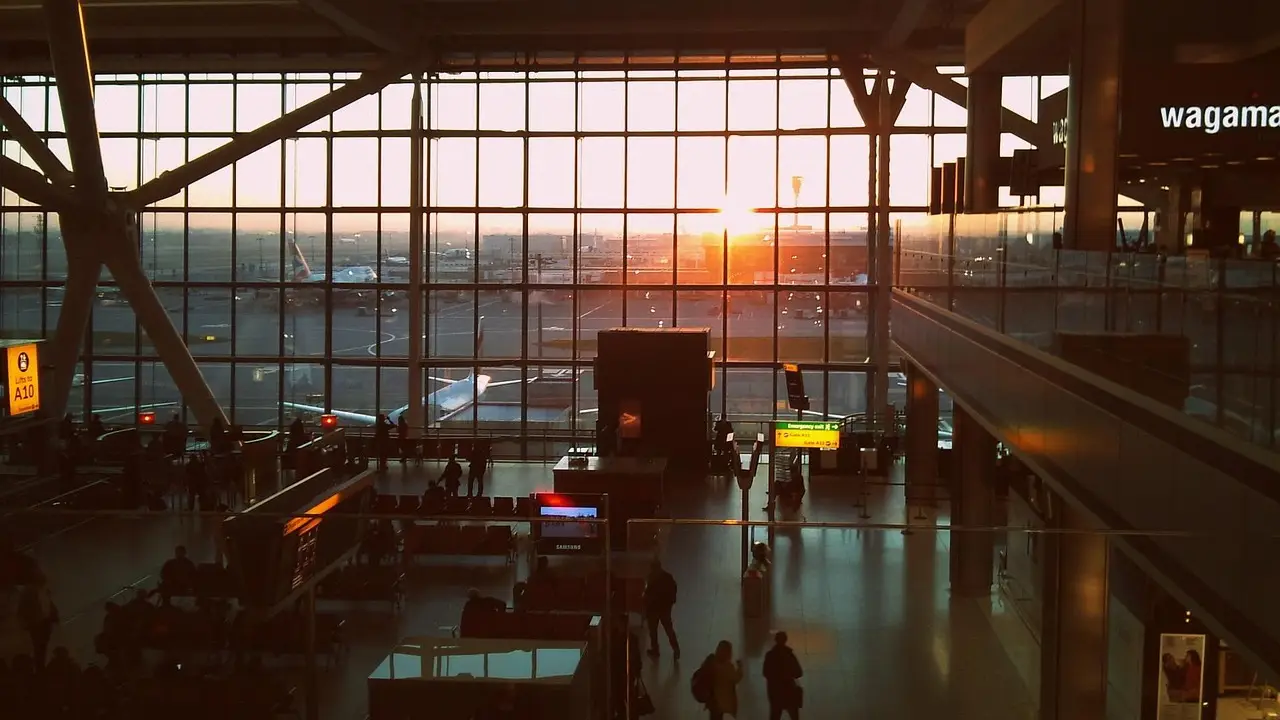
American Airlines says it will operate a largely normal schedule on November 16, three days after an FAA telecommunications failure triggered a nationwide ground stop and roughly 12,462 flight cancellations across the United States on November 13 alone.
In an operational update issued at 11 p.m. Central Time on Sunday, November 15, the Fort Worth-based carrier said it had repositioned aircraft and crews and expected favorable weather across its network to support the recovery. The airline does not anticipate further widespread cancellations tied directly to Friday's shutdown — though it stopped short of promising that every flight would leave on time.
The number matters. Of the 12,462 cancellations the FAA recorded on November 13, 9,082 involved major airlines, and the agency was careful to note that not every cancellation traced back to the ground stop itself.
What caused the ground stop?
The Federal Aviation Administration has now released technical detail on the failure that halted US departures nationwide. Instability developed in legacy telecommunications equipment when excessive data traffic flooded the FAA Telecommunications Infrastructure network — the affected system absorbed roughly 1,000 connection attempts every four to five seconds.
The trigger was mundane: routine equipment replacement work at a remote facility. The FAA ordered the nationwide ground stop at approximately 3:30 p.m. Eastern Time on Friday, November 13, and allowed flights to resume at 8:15 p.m. once engineers stabilized the system.
Since then, the agency has disabled functionality associated with the routers that originated the faulty traffic and taken similar precautionary action on roughly 60 other routers. A review of maintenance procedures and telecommunications infrastructure is expected to follow.
Why did recovery take three days?
A nationwide stop does more than pause departures for an afternoon. It strands aircraft and flight crews at airports far from where their schedules needed them, and airlines then spend days reassembling the network one repositioning flight at a time.
American's recovery operation involved exactly that grind: aircraft positioning, crew availability and passenger rebooking across several days of disruption. By Sunday evening, the carrier said its teams had positioned aircraft and crews for a largely normal Monday schedule.
The airline continues to advise travelers to check flight status through its website or mobile app before heading to the airport, since individual passengers may still see changes to their plans despite the improved outlook.
What happens to passengers still affected?
American has extended its travel alert to give affected passengers additional flexibility. Eligible customers may change their travel arrangements or request a refund under the airline's temporary policies, though the carrier urges passengers to review the specific conditions attached to their tickets — particularly on itineraries involving multiple airlines or international connections.
US Department of Transportation rules add a baseline: when an airline cancels a flight and the passenger declines the alternative transportation offered, the traveler generally qualifies for a refund.
The timing sharpens the stakes. Thanksgiving travel begins November 24, and AAA expects approximately 5.96 million Americans to fly domestically over the period — a test of whether the network American has just rebuilt can hold under peak demand.
For the FAA, the incident leaves open questions about how a routine equipment swap at a single remote facility cascaded into one of the year's most disruptive aviation events. The agency says its air traffic systems are stabilized, and passengers on complicated or time-sensitive itineraries are still encouraged to monitor reservations directly with their airlines while the infrastructure review gets underway.
via rustourismnews.com (Source)
More from Nathan Brooks
Show full bio
Correspondent covering technology and product news in Commercial aviation industry coverage at Flightdeck Report.
674 articles
Same bay
- FDR597FAA Says Router Flood That Grounded US Flights Came From Routine Maintenance · November 16, 2026
- FDR728US Airlines Cancel Over 1,300 Sunday Flights After FAA Ground Stop · November 16, 2026
- FDR572Over 2,500 US Flights Cancelled After FAA Ground Stop Ends · November 14, 2026
- FDR166FAA lifts nationwide ground stop after 6,000-flight cancellation surge · November 14, 2026
- FDR1331,960 Sunday Cancellations as US Ground-Stop Disruption Enters Third Day · November 16, 2026