Clearance CLR-3265 · AIR572
AIROVE
Airspace & RegulationClearance sheet
Over 2,500 US Flights Cancelled After FAA Ground Stop Ends
More than 2,500 US flights were cancelled on Saturday after the FAA lifted a four-hour nationwide ground stop, the longest of its kind in about 25 years.
Read-back
- More than 2,500 US flights were cancelled on Saturday, November 14, 2026.
- The FAA lifted the nationwide ground stop at about 8:15 p.m. ET on November 13 after a four-hour halt.
- The shutdown was the longest nationwide ground stop in approximately 25 years.
- Congress has approved $12.5 billion for air traffic control modernisation.
- Transportation Secretary Sean Duffy said legacy systems, not the FAA's new AI technology, caused the failure.
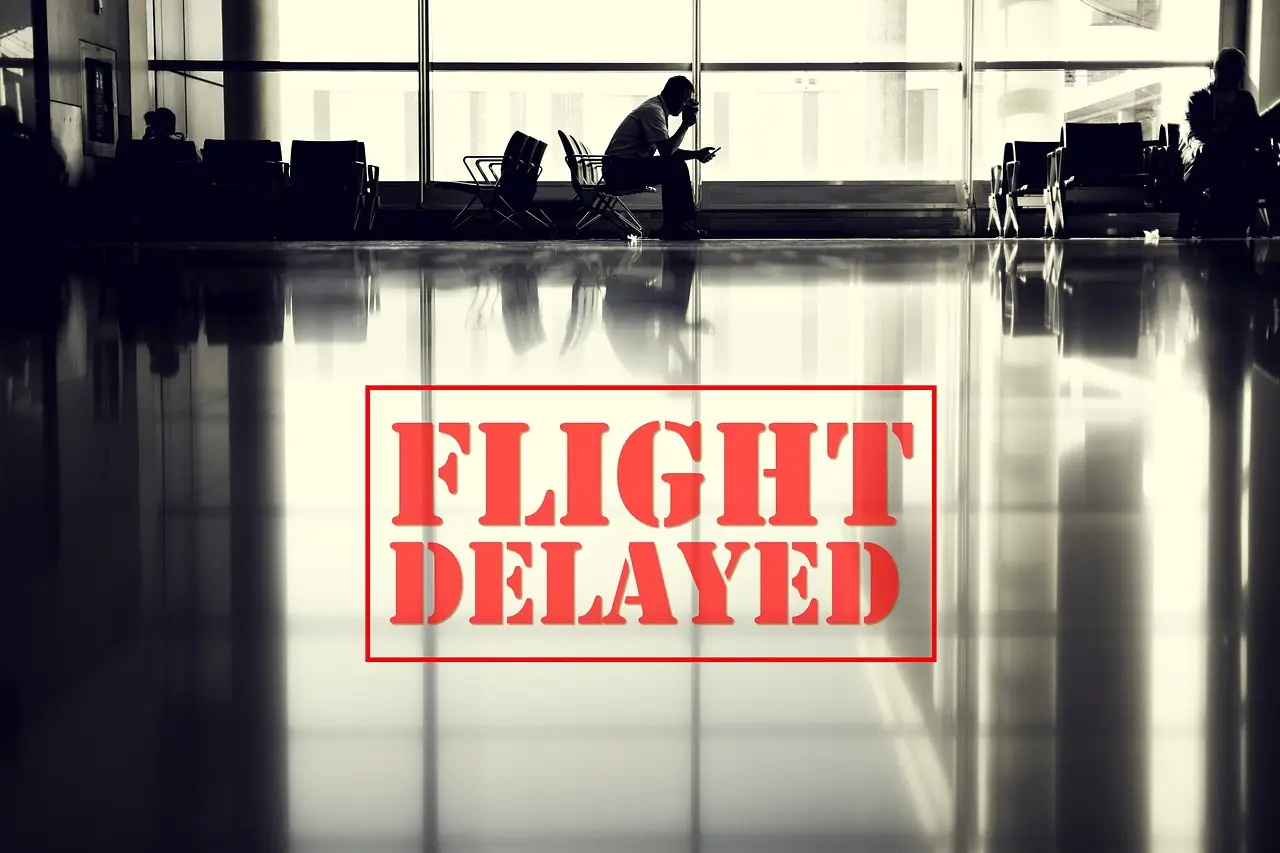
Airlines cancelled more than 2,500 US flights on Saturday, November 14, 2026, as they struggled to recover from a nationwide FAA ground stop that halted departures across the United States for more than four hours the previous evening.
The Federal Aviation Administration lifted the departure restrictions at approximately 8:15 p.m. Eastern Time on November 13. The ground stop had begun shortly before 4 p.m. Eastern after failures in the air traffic control communications network prevented controllers from maintaining normal operations.
Lifting the restrictions did not restore normal schedules. Thousands of passengers faced cancellations, delays and missed connections while carriers worked to reposition aircraft and crews.
How long did the ground stop last?
The November 13 event was the longest nationwide shutdown of its kind in approximately 25 years. The FAA instructed airlines to suspend all new departures because the communications failures degraded controllers' operational capability.
Aircraft already airborne were generally allowed to continue their journeys under controlled conditions. New departures were the restricted category, which kept aircraft and crews at origin airports rather than distributing them across the network.
The cancellation count understates the passenger impact. Each aircraft typically operates multiple services per day, so a single cancellation cascades through several downstream flights and hubs.
What caused the failure?
US officials said new technology being introduced into the national air traffic control system overloaded ageing equipment. The overload produced intermittent communication failures and disruptions to radar information.
Transportation Secretary Sean Duffy said: the problem involved legacy systems and was not caused by the FAA's new artificial intelligence technology. Officials added that there was no indication of a cyberattack.
The incident renews long-standing concerns about the condition of US air traffic control infrastructure. Congress has already approved $12.5 billion for air traffic control modernisation, although the administration says substantially more investment will be needed to upgrade equipment serving the country's busiest aviation network.
What does this change for passengers?
Recovery will take longer than the lifting of the ground stop. Aircraft and crews stranded at the wrong airports cannot always resume their original schedules immediately.
Three constraints drive the timeline:
- Crew-duty restrictions (federal limits on how long pilots and cabin crew may work without rest)
- Missed maintenance windows
- Congestion at major airline hubs as recovery flights queue for slots
Officials expressed confidence that normal operations can be restored before the Thanksgiving travel period. Individual cancellations and delays may continue during recovery.
Travellers flying within the United States, or connecting through American airports, should check their airline's website or mobile application before leaving for the airport. Passengers whose flights are cancelled and who decline alternative transportation may qualify for refunds under US Department of Transportation rules.
The ground stop has ended, but its operational consequences remain significant for domestic and international travellers — and the $12.5 billion already appropriated for modernisation now faces sharper scrutiny of whether it is enough to prevent a repeat.
via rustourismnews.com (Source)
More from Sophie Lindqvist
Show full bio
Senior reporter covering people, launches and day-to-day practice in Commercial aviation industry coverage at Flightdeck Report.
645 articles
Same bay
- FDR166FAA lifts nationwide ground stop after 6,000-flight cancellation surge · November 14, 2026
- FDR322Over 6,400 US Flights Cancelled Saturday After FAA Ground Stop · November 15, 2026
- FDR490FAA Chief Says US Flights Back to Normal Sunday After Outage · November 15, 2026
- FDR712FAA lifts nationwide ground stop after telecom failure strands US flights · November 14, 2026
- FDR728US Airlines Cancel Over 1,300 Sunday Flights After FAA Ground Stop · November 16, 2026