Clearance CLR-9361 · AIR712
AIRFAA
Airspace & RegulationClearance sheet
FAA lifts nationwide ground stop after telecom failure strands US flights
The FAA lifted a rare nationwide ground stop at 8:15 pm ET on November 13 after a telecom failure in decades-old equipment stranded hundreds of thousands of US travellers.
Read-back
- FAA lifted the nationwide ground stop at 8:15 pm ET on November 13 (0115 GMT Saturday).
- The halt followed a major communications outage tied to decades-old telecommunications equipment, per Transportation Secretary Sean Duffy.
- DHS said the outage did not appear to be a 'nefarious attack.'
- The disruption came less than two weeks before Thanksgiving, the busiest US travel period of the year.
- Airline staff gave conflicting estimates of the stop's duration, ranging from 8 to 24 hours.
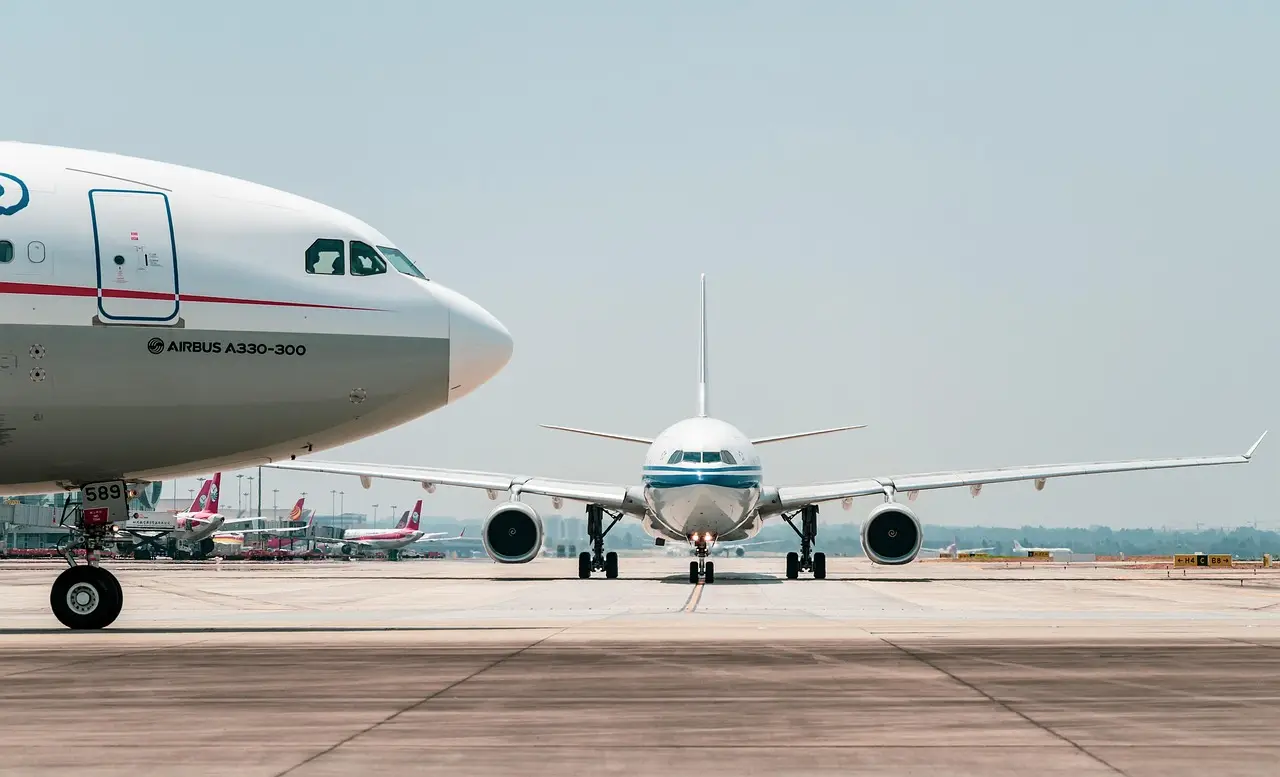
The Federal Aviation Administration lifted a nationwide ground stop of all US flights at 8:15 pm ET on November 13 (0115 GMT Saturday), ending a rare system-wide halt that stranded hundreds of thousands of passengers across the country.
The stoppage followed a major communications outage. The Department of Homeland Security said the disruption did not appear to be the result of any "nefarious attack." Transportation Secretary Sean Duffy blamed the incident on telecommunications issues with decades-old equipment, and warned that recovery would not be instant. "It will take us time (to) resume normal operations," Duffy said.
The grounding came at a punishing moment for the US network: less than two weeks before Thanksgiving, the busiest travel period of the American year, and ahead of a particularly busy weekend of professional and college sports. Teams and fans were among those stuck.
What does the ground stop change for passengers?
For travellers, the immediate consequence was paralysis compounded by poor information. At Las Vegas, some passengers were told their flights were delayed by wind — a misdirection that left them waiting. One airline staffer said the ground stop would last eight hours; another said 24. That gap between estimates illustrates the operational cost of a communications failure: when an airline's own staff cannot verify the cause or duration of a disruption, passengers make their own contingency plans.
Many did exactly that, forming long lines at rental car counters in a scramble for alternatives. Joseph Anderson, a 72-year-old retired Air Force veteran trying to reach Oakland, California from Las Vegas, weighed driving but saw the flaw in that plan. "If the whole country is stopped, that means the highways are going to be jammed too," he said. His checked luggage was captive in the system, leaving him, in his words, "kind of stuck." He added: "I would hope the communication can be better from the FAA."
At New York's LaGuardia airport, Janice Llewellyn, 61, was on the verge of tears because the chaos threatened her attendance at her daughter's wedding in Toronto. "I may lose my mind," she told AFP. "My husband flew all the way from England to get to the wedding."
A single point of failure in aging infrastructure
The mechanism behind the disruption was telecommunications, according to Duffy's account: equipment dating back decades failed, and the FAA's response was the bluntest instrument available — a ground stop (an order halting departures) covering the entire national airspace rather than a regional or airline-specific restriction. Such nationwide stops are extremely rare precisely because of the scale of disruption they cause.
The lack of real-time information from the regulator and carriers produced secondary effects beyond the terminals. Passengers stared at their phones, wandering concourses without clear direction. Tiara Johnson, 50, had been heading from New York to Orlando for a weekend concert. "You think you're gonna be there in three hours, but your whole evening is kind of done!" she said. "But hey, they say it's Friday the 13th!"
Not every passenger treated the halt as a crisis. Hagit Levy Shalev, 54, rebooked for a Saturday morning flight, extending a work trip by a day. "I'll get there," she said. "One more extra day away from the kids!"
What comes next
Duffy's statement points to the central question regulators and airlines will face in the aftermath: how a decades-old telecommunications layer supporting air traffic control was allowed to remain a single point of failure for the world's largest domestic aviation market, two weeks before its peak travel season. The department did not immediately detail a timeline for equipment replacement, and the FAA has yet to publish a full account of the outage's cause and duration.
via channelstv.com (Source)
More from Sophie Lindqvist
Show full bio
Senior reporter covering people, launches and day-to-day practice in Commercial aviation industry coverage at Flightdeck Report.
645 articles
Same bay
- FDR332FAA lifts second nationwide ground stop since September 11 · November 14, 2026
- FDR450FAA Nationwide Ground Stop Cancels Over 2,000 Flights at DCA and Beyond · November 14, 2026
- FDR858Telecom Outage Halts All U.S. Departures as FAA Radar and Radio Links Fail · November 14, 2026
- FDR572Over 2,500 US Flights Cancelled After FAA Ground Stop Ends · November 14, 2026
- FDR408FAA Grounded All US Flights for 4½ Hours After Contractor Upgrade Failed · November 15, 2026