Clearance CLR-8968 · AIR711
AIROVE
Airspace & RegulationClearance sheet
Overloaded routers triggered nationwide US ground stop
Data-overloaded routers triggered a four-hour nationwide US ground stop, delaying 9,814 flights and cancelling 5,117, as Duffy asks Congress for $50 billion.
Read-back
- Overloaded routers caused a roughly four-hour nationwide US ground stop on Friday
- 9,814 flights delayed and 5,117 cancelled by 8pm US Eastern time, per FlightAware
- Over 3,500 aircraft were airborne when the stop was imposed and landed safely
- Duffy raised the funding request for a new ATC system from $30 billion to $50 billion
- Second nationwide ground stop since 9/11, after the January 2023 NOTAM failure
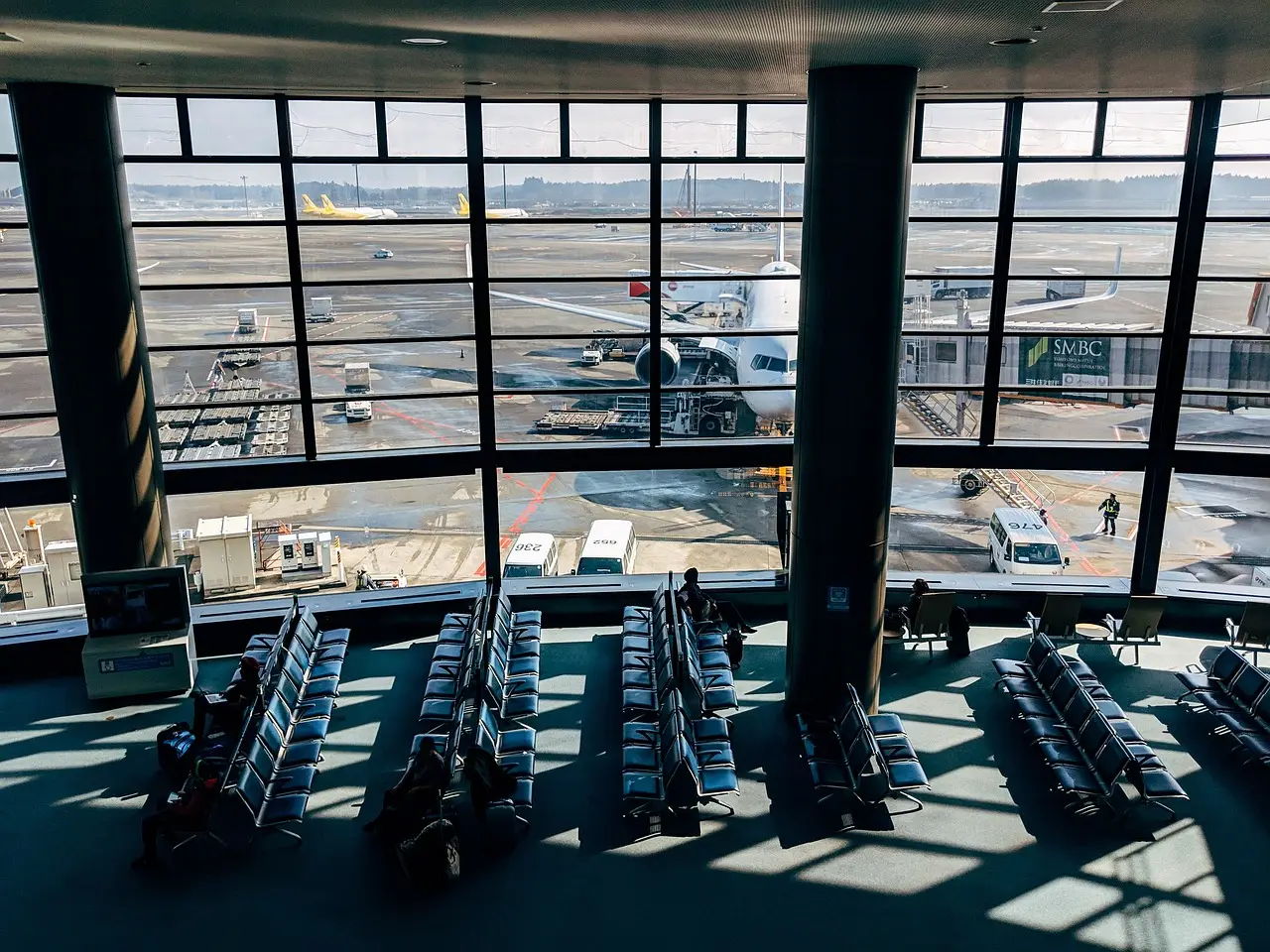
Routers overloaded with data caused a roughly four-hour nationwide ground stop across the United States on Friday, grounding thousands of flights and cancelling 5,117 of them by 8pm US Eastern time, according to FlightAware figures cited as the disruption unfolded.
US Transportation Secretary Sean Duffy confirmed the cause at a White House press briefing on Friday evening. He said data-overloaded routers began producing inconsistent information, forcing controllers to shut the system down rather than risk operating on unreliable feeds.
"Our routers actually got overloaded with data, and … they started to give us inconsistency in the data from those routers. And because of that, we shut the system down," Duffy said.
What actually failed?
The failure struck communications between US Air Route Traffic Control Centres (ARTCCs), the facilities that manage high-altitude en-route traffic across the country's airspace. When the links between those centres degraded, the Federal Aviation Administration (FAA) halted departures nationwide.
Aircraft already airborne were allowed to continue and land at their destinations. Duffy described the airborne picture during the event: over 3,500 aircraft were in the air at the peak, and at his last check fewer than 400 remained in the airspace as they descended to land.
"We started to have inconsistency in the data from the radars and our communication with airplanes, and we have procedures for this," he said. Controllers applied those well-rehearsed contingency procedures to bring traffic down safely.
What does this change for passengers and airlines?
In the immediate term, the consequences were severe and measurable. By 8pm Eastern time (12pm AEDT Saturday), 9,814 flights into, within or out of the US had been delayed and 5,117 cancelled.
The disruption reached well beyond US borders. Sydney Airport grounded all US-bound services on Saturday. "At this stage, all US-bound flights due to depart Sydney Airport are grounded and passengers travelling to or via the United States should check with their airline for the latest information regarding their flight," an airport spokesperson said, adding that the airport was monitoring the FAA situation closely.
Recovery, Duffy cautioned, would be slow. The aim was to move as many aircraft as possible on Friday night, with a fuller reset on Saturday morning in coordination with airline partners.
"It's going to take us some time to unwind what's happened this afternoon … hopefully, tomorrow we are going to start to see far better movement," he said. He expressed confidence the system would be fully operational for Thanksgiving, one of the heaviest travel periods in the US calendar: "I think we're going to be back up and operational as we come into the heat of travel during Thanksgiving."
The funding fight behind the failure
Duffy tied the outage directly to the age of the infrastructure, some of which still runs on floppy disks. He said President Donald Trump had spent the past year pressing Congress to fully fund a replacement air traffic control system, and he now wants more money than previously requested.
"What we have is an incredibly old air traffic control system. The president, for the last year, has been asking Congress to fully fund a full build of a brand-new air traffic control system," Duffy said.
The secretary called on Congress to approve emergency funding for the overhaul, raising the ask from $30 billion to $50 billion.
"I've asked, the president's asked for $30 billion. I want $50 billion," he said. "What's more important than having an air traffic control system that actually works?"
He framed the rebuild as a complete technology replacement: "And so, the president said, 'You know what? Let's finish this job. New hardware, new software, new telecommunication.'"
Second nationwide stop since 9/11
Friday's event was only the second nationwide ground stop since the September 11 attacks. The first came in January 2023, when a damaged database file in the FAA's Notice to Air Missions (NOTAM) system — the network that distributes safety-critical flight information to crews — forced a 90-minute halt that delayed more than 10,000 flights.
The two incidents point at different components of the same ageing architecture: a 2023 software data fault, and now a hardware and telecommunications failure at the router level. Both produced system-wide consequences because the affected systems sit at the centre of US airspace management.
With the ground stop lifted after roughly four hours and the Thanksgiving peak approaching, the operational test now shifts to how quickly airlines can reposition aircraft and clear the backlog — and whether Congress responds to the $50 billion request before the next component fails.
via australianaviation.com.au (Source)
More from Sophie Lindqvist
Show full bio
Senior reporter covering people, launches and day-to-day practice in Commercial aviation industry coverage at Flightdeck Report.
646 articles
Same bay
- FDR203FAA Lifts Nationwide Ground Stop After Four-Hour Communications Failure · November 14, 2026
- FDR419US Grounds All Flights for Four Hours as Legacy ATC Comms Fail · November 14, 2026
- FDR987Four-Hour FAA Ground Stop Grounds Thousands of Flights Nationwide · November 14, 2026
- FDR572FAA orders nationwide ground stop after all en route centers lose comms · November 14, 2026
- FDR574ATC Failure Grounds Hundreds of U.S. Flights, Exposing Aging Infrastructure · October 14, 2026