Clearance CLR-6515 · SAF858
SAFTEL
Safety & OperationsClearance sheet
Telecom Outage Halts All U.S. Departures as FAA Radar and Radio Links Fail
The FAA halted all U.S. departures at 3:44 p.m. Eastern after telecom failures knocked out radar and radio at up to 10 en-route centers, prompting diversions and Canadian traffic limits.
Read-back
- Nationwide ground stop issued at 3:44 p.m. Eastern on Friday after telecom outages hit radar and radio at ATC centers.
- FAA reported up to 10 en-route centers affected 'and growing'; Chicago ARTCC failed first, followed by Boston, Washington, New York and Minneapolis.
- DHS Secretary Mullin called it 'just a telecommunications outage' but did not rule out cyberattack.
- FAA's SMART scheduling system, activated at all 22 ARTCCs on Nov. 10, is being examined; designer Air Space Intelligence denied any link.
- Nav Canada imposed traffic management measures at Toronto Pearson, Montréal-Trudeau, Calgary and Vancouver.
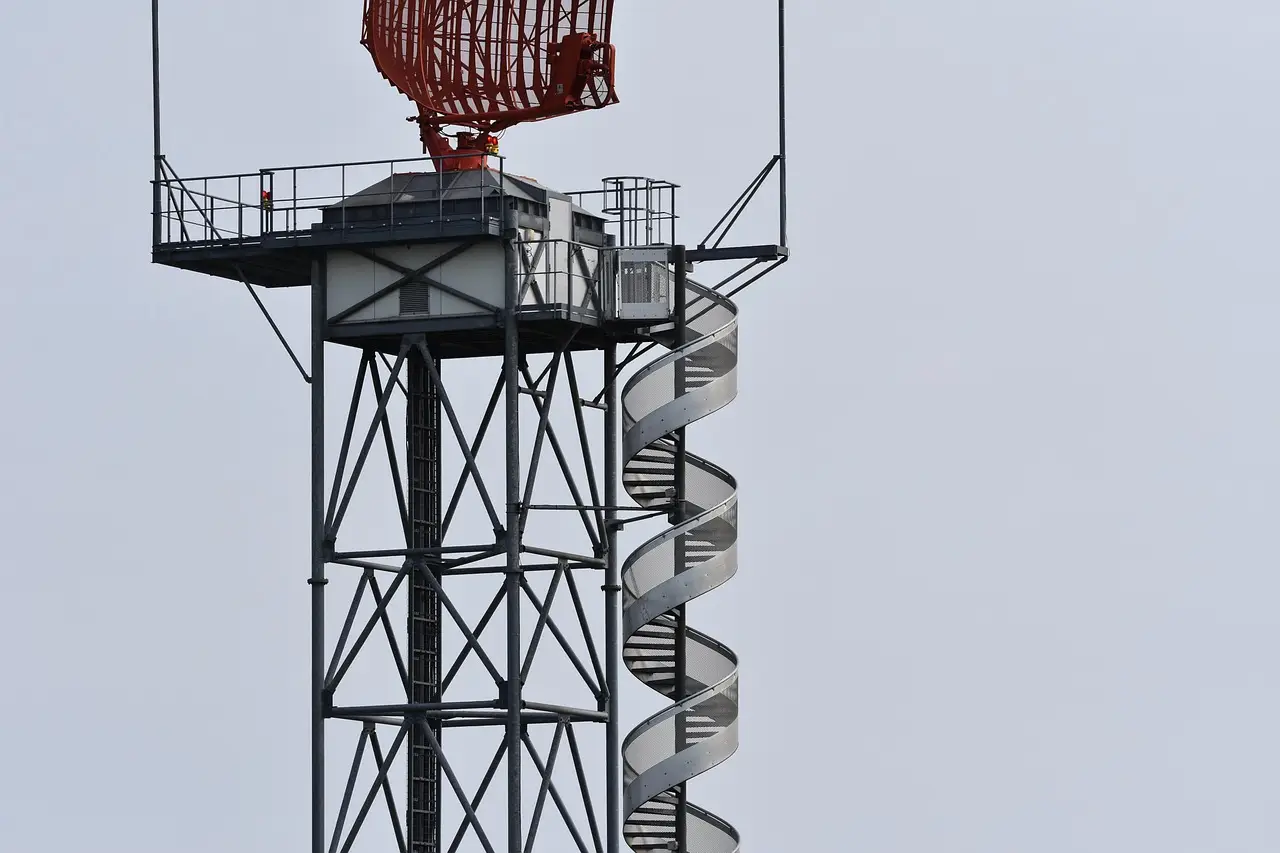
The FAA ordered a nationwide halt to all departures at 3:44 p.m. Eastern time on Friday after telecommunications outages disrupted the radar feeds and radio frequencies that air traffic controllers and pilots use across multiple U.S. en-route centers.
All aircraft already airborne, domestic and international, could continue to their destinations, the agency told airlines. The ground stop remained in effect hours later with multiple ATC frequencies still not working, according to an airline source, though the FAA began releasing some Europe-bound international flights case by case.
"FAA technicians are investigating the issue. We will provide immediate updates as we have them," Transportation Secretary Sean Duffy said on X.
At a 5 p.m. White House press briefing, Homeland Security Secretary Markwayne Mullin said the government had no current indication the outages were tied to a cyberattack or a terror threat, describing the nationwide stop as "just a telecommunications outage." He did not rule out a cyberattack. "There should be no fear to the public at all," Mullin said, adding it was "too early to tell" how long the outage or the ground stop would last.
How did the failure spread?
The FAA's Washington, D.C. command center was notified around 3:30 p.m. local time that multiple air route traffic control centers had lost communication, radio frequencies and radar. The failures began at the Chicago air route traffic control center (the facility managing high-altitude traffic across the Midwest). Boston, Washington, New York and Minneapolis confirmed problems in rapid succession.
The FAA initially issued a ground stop for all aircraft flying east within the national airspace system. As further facilities reported communications and frequency malfunctions, authorities extended the stop nationwide. A dispatcher at one U.S. carrier said the FAA command center had reported the outage affecting 10 en-route centers "and growing."
The disruption struck during the Friday afternoon rush. Stranded aircraft quickly outnumbered available gates, particularly at hubs such as Chicago O'Hare International Airport, and airlines began diverting flights to smaller cities. United Airlines activated its Emergency Operations Center in response, a spokeswoman said.
Is the SMART scheduling system involved?
Investigators are examining any possible link to the FAA's SMART system, which provides scheduling recommendations to controllers based on weather patterns, flight paths, arrival and departure statistics and other data. Duffy said earlier in the week that the system had been activated at all 22 air route traffic control centers (ARTCCs) on Nov. 10.
Air Space Intelligence, the company that designed SMART, rejected that connection on X: "The current ground stop is not based on or a result of the SMART system, any product of ASI or our integration with FAA and ATC."
What does this change for cross-border traffic?
Nav Canada, the Canadian air navigation service provider, said it was implementing traffic management measures at Toronto Pearson, Montréal-Trudeau, Calgary and Vancouver airports to manage traffic volumes safely as a result of the U.S. stop. "Travellers should expect delays and check with their airline. Our systems are operating normally," the provider said.
The outage and ground stop remained unresolved at press time, with the FAA releasing international flights selectively and no restoration timeline announced.
via theaircurrent.memberful.com (Original)
More from Priya Raman
Show full bio
Market editor covering money, funding and market shifts around Commercial aviation industry coverage at Flightdeck Report.
604 articles
Same bay
- FDR987Four-Hour FAA Ground Stop Grounds Thousands of Flights Nationwide · November 14, 2026
- FDR218FAA Halts All US Departures After Telecom Outage Hits ATC Centers · November 14, 2026
- FDR572FAA orders nationwide ground stop after all en route centers lose comms · November 14, 2026
- FDR166FAA lifts nationwide ground stop after 6,000-flight cancellation surge · November 14, 2026
- FDR239One Telecoms Failure, 7,000 Delayed Flights: Inside the U.S. ATC Ground Stop · November 14, 2026