Clearance CLR-3315 · AIR408
AIRFAA
Airspace & RegulationClearance sheet
FAA Grounded All US Flights for 4½ Hours After Contractor Upgrade Failed
An L3Harris server upgrade during Friday daylight hours took down FAA radar and comms, grounding all US domestic flights for 4½ hours and cancelling 10,000+ flights.
Read-back
- Nationwide FAA ground stop ran roughly 4½ hours on Friday, 3:44 p.m. to about 8:15 p.m. Eastern
- More than 10,000 flights cancelled; only the second nationwide stop since 9/11
- DOT and FAA blamed a routine L3Harris server upgrade tied to the copper-to-fiber transition
- Over 3,000 aircraft were airborne; all landed safely, none departed domestically
- Congress has already appropriated $12.5 billion for air traffic system upgrades
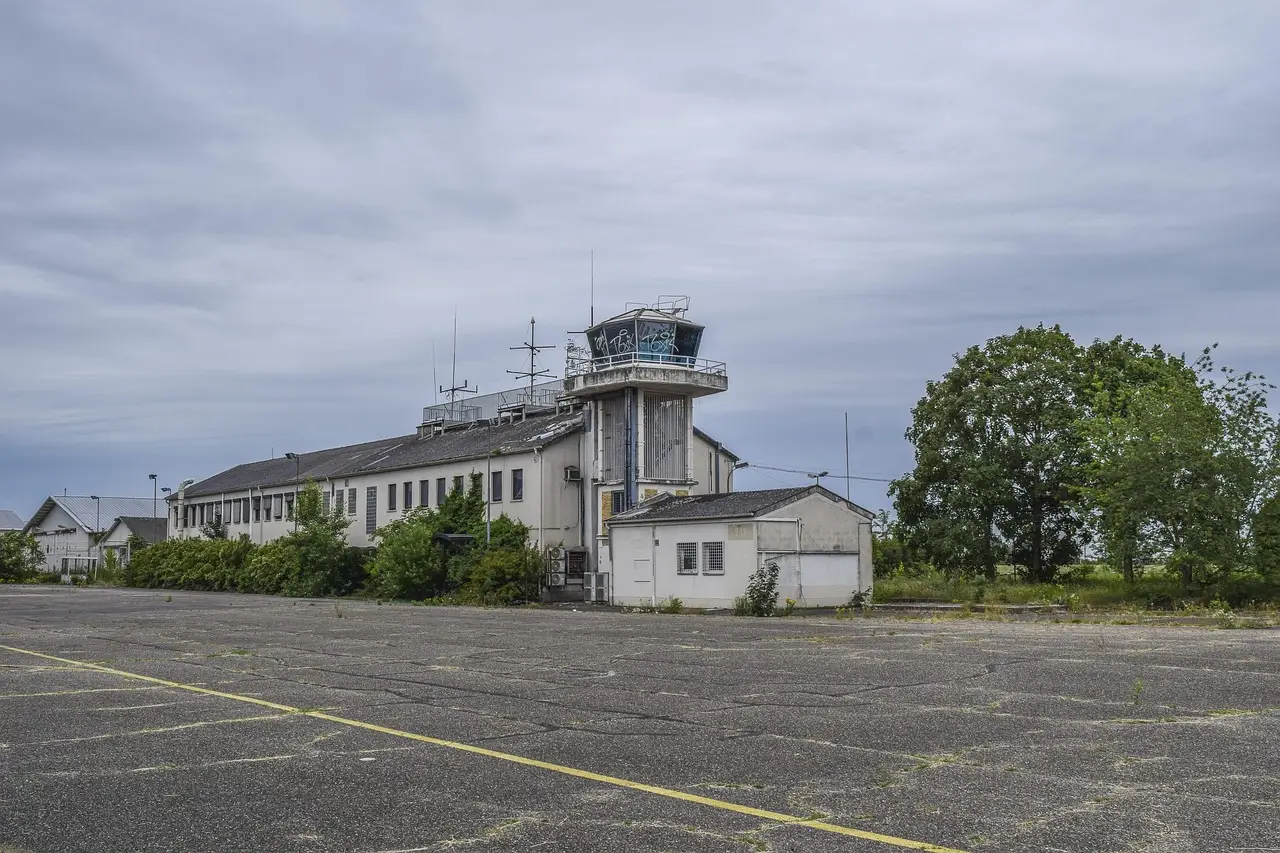
A nationwide FAA ground stop halted every domestic departure in the United States for roughly 4½ hours, cancelling more than 10,000 flights in only the second such stoppage since September 11, 2001.
The Federal Aviation Administration first noticed instability in its network at 3:36 p.m. Eastern on Friday. Controllers at facilities across the country reported intermittent failures of radar and communication systems. At 3:44 p.m. the agency declared a nationwide ground stop, citing what it called an abundance of caution. The order lifted around 8:15 p.m. Eastern.
More than 3,000 aircraft were airborne when the stop took effect. All of them landed safely. No domestic flights departed. Aircraft already on runways returned to their gates.
Who is responsible?
The Department of Transportation and the FAA placed blame squarely on L3Harris, a longtime FAA contractor. The company was performing a routine maintenance upgrade of a server, part of the transition from older copper wire to fiber optic cable. Something in that work, in DOT Secretary Sean Duffy's words, went very wrong.
"This was an FAA system that didn't meet the moment," Duffy said at a press conference. "Our contractor didn't meet the moment. Or the equipment didn't meet the moment and caused the outages."
NPR reached out to L3Harris for comment and had received no response at time of broadcast.
Officials faced repeated questions on two points. First, why a single router could trigger telecom outages across so much of the country. Second, why the work ran during a busy travel day rather than late at night with fewer aircraft aloft. Duffy and FAA leaders said both matters remain under investigation. They described the job as routine maintenance and could not explain why it broke the national airspace system.
That gap matters. What does this change for carriers and passengers until the cause is identified? Until the FAA can say which component failed and why it cascaded, no one can rule out a repeat during the copper-to-fiber transition still under way.
What did passengers experience?
Confusion, mostly. Erin Britt, a passenger who deplaned at Ronald Reagan Washington National Airport, described cabin crew as uninformed as those in the back.
"She was like, honestly, some of you guys probably know more than we do, 'cause you're looking it up on your phones, and I'm not," Britt said. "Like, they seem just as in the dark."
More than 10,000 flights were cancelled and thousands more delayed. The stoppage ran several hours longer than the previous nationwide ground stop in 2023. Airlines will need days to reset aircraft and crews. The FAA administrator said carriers should return to a normal schedule by the end of the weekend — a promise that depends on how quickly displaced aircraft and crews reposition.
What happens next?
Duffy used the briefing to renew his push for congressional funding to upgrade the air traffic control system. Democrats in Congress are likely to ask a harder question first: how DOT and the FAA have spent the $12.5 billion Congress already appropriated, and why this contractor's work had such a catastrophic impact.
The investigation into the failed upgrade, the timing of the maintenance window, and the router's cascade path across national infrastructure will determine whether Friday's stoppage was an isolated fault or a structural weakness in the FAA's telecom modernization.
via feeds.npr.org (Source)
More from James Calloway
Show full bio
Staff writer covering people, launches and day-to-day practice in Commercial aviation industry coverage at Flightdeck Report.
650 articles
Same bay
- FDR332FAA lifts second nationwide ground stop since September 11 · November 14, 2026
- FDR322Over 6,400 US Flights Cancelled Saturday After FAA Ground Stop · November 15, 2026
- FDR728US Airlines Cancel Over 1,300 Sunday Flights After FAA Ground Stop · November 16, 2026
- FDR490FAA Chief Says US Flights Back to Normal Sunday After Outage · November 15, 2026
- FDR987Four-Hour FAA Ground Stop Grounds Thousands of Flights Nationwide · November 14, 2026