Clearance CLR-7604 · SAF597
SAFFAA
Safety & OperationsClearance sheet
FAA Says Router Flood That Grounded US Flights Came From Routine Maintenance
FAA blames Nov. 13 ground stop on a 1,000-attempt flood of connections into legacy telecom gear; 12,462 flights cancelled as airlines spent the weekend restoring networks.
Read-back
- A nationwide FAA ground stop ran from about 3:30 p.m. to 8:15 p.m. ET on November 13, 2026.
- The trigger was roughly 1,000 connection attempts every 4-5 seconds flooding the FAA Telecommunications Infrastructure during routine equipment replacement.
- Approximately 12,462 US flights were cancelled that Friday, including 9,082 by major airlines.
- Officials disabled functionality on the originating routers and took precautions on about 60 others.
- The FAA says the incident will lead to a review of equipment maintenance procedures.
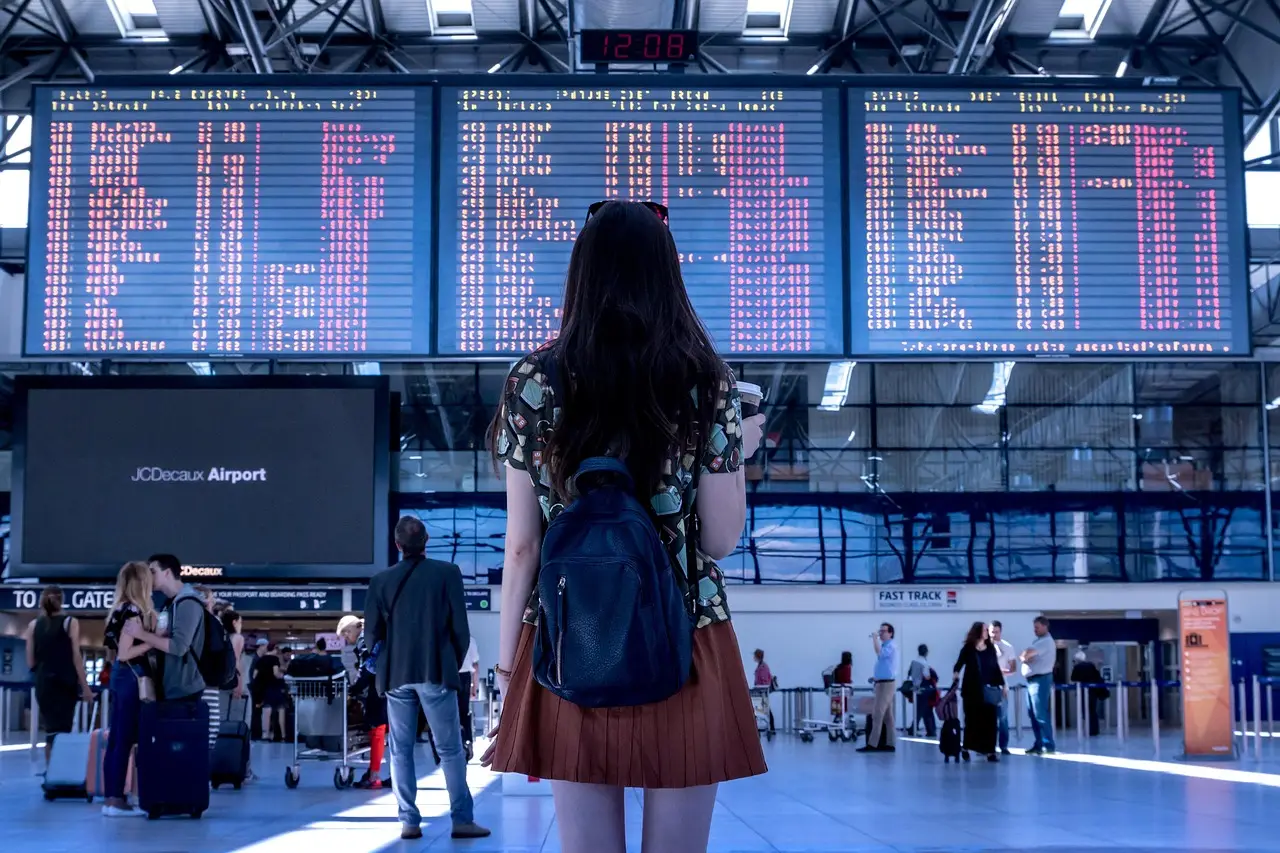
Nearly 12,500 US flights were cancelled on November 13 — 9,082 of them by major airlines — and the FAA now says the cause was a flood of connection traffic, roughly 1,000 attempts every four to five seconds, that destabilized its legacy telecommunications network during routine equipment replacement work at a remote facility.
The agency confirmed the sequence of events on November 15, two days after a nationwide ground stop halted departures at approximately 3:30 p.m. Eastern Time. Air traffic resumed at 8:15 p.m. that evening, roughly four and three-quarter hours later. But the operational damage stretched well past the lifting of the stop, as airlines spent the weekend restoring schedules and repositioning aircraft and crews left scattered across the country.
The FAA noted that not all of the 12,462 Friday cancellations were directly attributable to the ground stop. That distinction will matter little to carriers now untangling their networks.
What triggered the shutdown?
According to the FAA's account, the failure began during routine equipment replacement at a remote facility. The work caused data to flood the FAA Telecommunications Infrastructure network — the legacy communications backbone supporting air traffic operations — at a rate of about 1,000 connection attempts every four to five seconds. The surge destabilized the systems, and the agency suspended departures nationwide while technicians investigated and stabilized the network.
The fix was blunt but effective. Federal officials disabled the functionality associated with the routers that originated the traffic, then took similar precautions on approximately 60 other routers across the infrastructure. That defensive posture prevented a repeat of the surge while engineers worked through the weekend.
For a sense of scale: a single afternoon of unstable routing equipment grounded the world's largest domestic aviation market for nearly five hours and knocked out more than 12,000 flights. The episode is a measure of how tightly the national system depends on aging telecom plumbing that was never designed for this failure mode.
How are airlines recovering?
American Airlines said its recovery operation was improving over the weekend, but warned that individual cancellations and delays could persist as the carrier restored its network. Aircraft and crews ended November 13 in the wrong places, and rebuilding those rotations takes days, not hours.
The FAA says the national air traffic system has been stabilized and flights can operate safely. Individual carriers, though, may keep adjusting schedules as they accommodate displaced passengers.
The consequences crossed borders. Canadian airports also saw flight cancellations in the aftermath of the US ground stop, rippling through North American operations tied to US airspace and connecting traffic.
What should passengers know?
Travelers should check flight status with their airline before leaving for the airport — particularly on itineraries with multiple connections, which carry the highest risk of residual disruption. Passengers whose flights are cancelled and who decline alternative transportation may be entitled to refunds under US Department of Transportation regulations. Travel waivers and additional assistance vary by airline and booking circumstances, so the terms of each carrier's policy are worth reading before rebooking.
What comes next?
The FAA has indicated the incident will prompt a review of equipment maintenance procedures — a pointed admission that routine work on legacy hardware can cascade into a national shutdown. The review lands amid ongoing efforts to modernize the national air traffic control system, and it hands modernization advocates their clearest evidence yet that the telecom layer, not just radar or towers, is a single point of failure. Expect scrutiny of how the agency isolates maintenance work from live traffic, and of the roughly 60 routers now running with functionality disabled.
By Nathan Brooks
via rustourismnews.com (Source)
More from Nathan Brooks
Show full bio
Correspondent covering technology and product news in Commercial aviation industry coverage at Flightdeck Report.
674 articles
Same bay
- FDR601American Airlines Restores Normal Schedule After FAA Ground Stop · November 16, 2026
- FDR572Over 2,500 US Flights Cancelled After FAA Ground Stop Ends · November 14, 2026
- FDR322Over 6,400 US Flights Cancelled Saturday After FAA Ground Stop · November 15, 2026
- FDR728US Airlines Cancel Over 1,300 Sunday Flights After FAA Ground Stop · November 16, 2026
- FDR490FAA Chief Says US Flights Back to Normal Sunday After Outage · November 15, 2026