Clearance CLR-9878 · AIR415
AIRBNI
Air CargoClearance sheet
$11.3bn in One Year: The Price of a Widebody Freighter Gap Running to 2030
Supply chain costs topped $11bn in 2025 as a backlog eleven times annual output and 22-year-old widebodies squeeze freighter capacity into the 2030s.
Read-back
- Airline supply chain costs exceeded $11bn in 2025 — $4.2bn fuel, $3.1bn maintenance, $2.6bn engine leasing, $1.4bn parts stockpiling
- Global order backlog exceeds 17,000 aircraft, eleven times annual delivery output
- Net cargo aircraft additions fell in both 2024 and 2025, shrinking the freighter fleet
- 777 and A330 retirement ages have reached roughly 22 years, per IBA
- IATA expects supply normalisation no earlier than the early 2030s
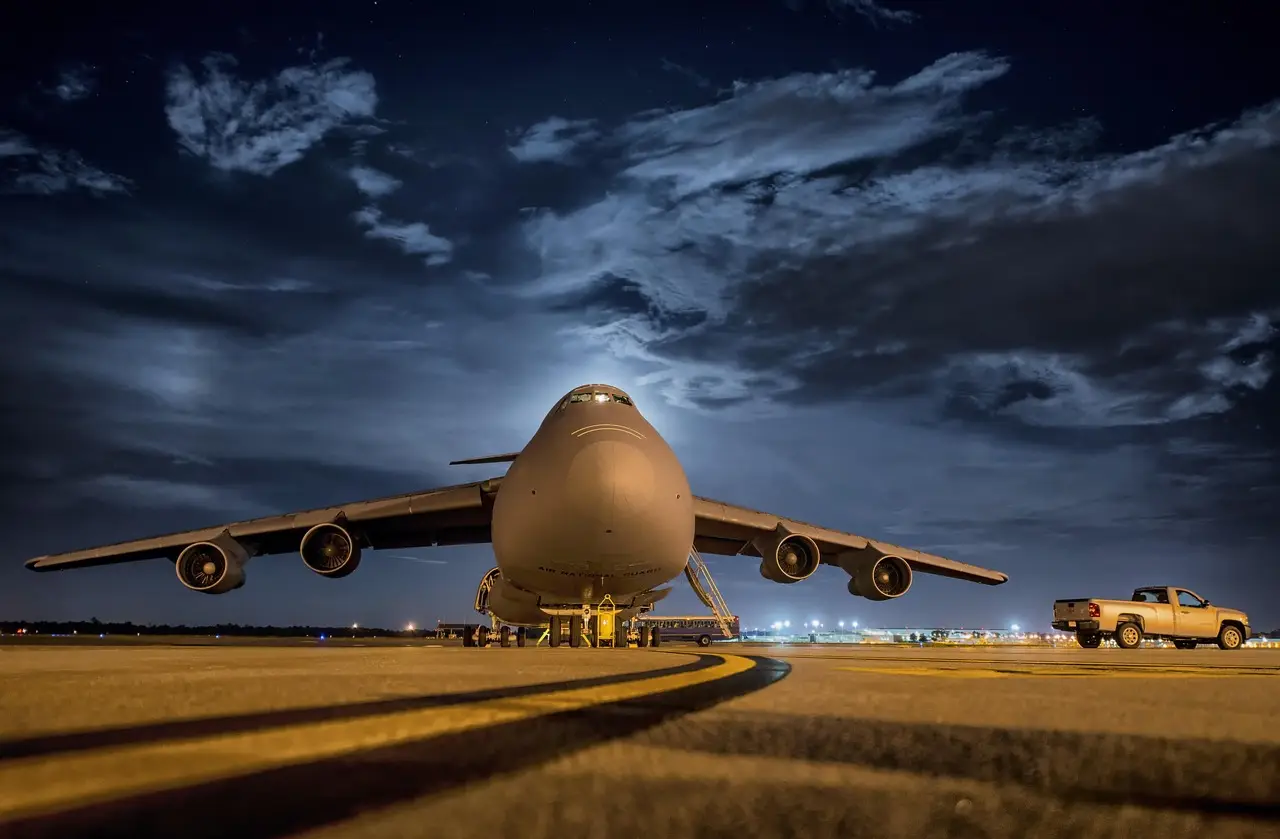
Airline supply chain costs exceeded $11bn in 2025, according to IATA figures reported by Air Cargo News and STAT Times — and the composite breakdown comes to $11.3bn: $4.2bn in excess fuel burn, $3.1bn in maintenance, $2.6bn in engine leasing and $1.4bn in spare-parts stockpiling. Those are the measurable costs of a widebody freighter capacity gap that most analysts now expect to persist into the early 2030s.
The gap has three dimensions, and each feeds the others. Too few new aircraft leave production lines. The jets already flying are ageing past their intended service lives. And the order backlog has grown so large that it dwarfs annual delivery rates.
How big is the backlog problem?
The global order backlog now exceeds 17,000 aircraft — close to 60% of the entire active fleet, Air Cargo News and STAT Times report. The raw number understates the position. What matters is the ratio: Air Cargo News calculates the backlog at eleven times the number of aircraft manufacturers deliver in a year.
Production tells the same story. By the end of 2025, global aircraft output stood roughly 24% below 2019 levels, with the industry's cumulative delivery shortfall reaching approximately 6,000 aircraft, STAT Times reports. Fleet growth projections through 2036 now trail pre-pandemic expectations by six years.
Net cargo aircraft additions actually fell in both 2024 and 2025, Air Cargo News reports — meaning the freighter fleet shrank in consecutive years.
IATA's head of industry analysis, Julia Seiermann, frames the timeline bluntly: "What this means is that even under the expectation that production and deliveries will accelerate in 2026, which is now the view of analysts, normalisation is unlikely to occur before the early 2030s."
Why are old jets flying longer?
While new freighters queue behind a stretched backlog, the in-service fleet is accumulating hours faster than operators would like. IBA, the aviation asset intelligence firm, reports that average retirement ages for 777 and A330 family aircraft reached roughly 22 years by 2025–2026. For context, retirements of those types peaked above 60 aircraft in 2021, when Covid-19 collapsed passenger demand. Many of the survivors of that cull are now being stretched further still.
Deferring retirement carries a price. The $11.3bn cost stack for 2025 breaks down into workarounds, not solutions:
- $4.2bn — excess fuel burn from older, less efficient aircraft
- $3.1bn — higher maintenance spending on jets flying past retirement age
- $2.6bn — increased engine leasing costs as demand for serviceable powerplants outstripped supply
- $1.4bn — spare-parts stockpiling after operators lost confidence in just-in-time supply chains
Seiermann put the structural risk plainly: "At some point, this strategy will reach its limits when aircraft will need to be retired, and then shortages may become even more pronounced."
What are operators saying?
Richard Broekman, chief commercial officer and head of sustainability at Atlas Air Worldwide, told STAT Times: "We know there's going to be a tremendous shortage of widebody freighter capacity." He added: "The biggest challenge for us is indeed access to additional capacity."
For cargo carriers, that means competing for a finite pool of ageing widebodies while absorbing lease, engine, fuel and maintenance bills that newer equipment would eliminate. The costs flow downstream: shippers pay more, and those costs eventually reach consumers.
The replacement question centres on the Boeing 777-8F and the Airbus A350F — both delayed. Those delays are a core reason operators cannot retire older jets on a commercially rational timeline, and a key driver of the cost figures above.
Does the outlook improve?
Not quickly. Cirium has already lowered its aircraft delivery forecast to 43,000 units through 2045, a revision consistent with what IATA and industry executives describe. Fewer deliveries over a longer horizon means the capacity gap persists longer — and Air Cargo News reports that supply normalisation is unlikely before the early 2030s, a timeline IATA's own analysis supports.
Until the 777-8F and A350F arrive in meaningful numbers, airlines and cargo operators will keep paying the premium for keeping old jets flying — and that premium, spread across the global supply chain, will keep reaching far beyond aviation.
via theaviationhub.co.uk (Source)
More from Nathan Brooks
Show full bio
Correspondent covering technology and product news in Commercial aviation industry coverage at Flightdeck Report.
646 articles
Same bay
- FDR676Cirium Forecast: New Aircraft Shortage Persists Until at Least 2030 · October 13, 2026
- FDR679Belly Cargo Carried 56% of Air Freight in 2025, IATA Data Shows · November 5, 2026
- FDR789Air Cargo Carried $157 Billion in Frontloaded Trade in 2025, IATA Says · October 14, 2026
- FDR628Airbus Sees Global Freighter Fleet Growing 46% to 3,460 by 2045 · October 22, 2026
- FDR283Industry order backlog tops 17,000 aircraft for first time · September 30, 2026