Clearance CLR-1050 · AIR361
AIRPIN
Air CargoClearance sheet
Pinglu Canal opening turns Nanning port into river-sea trade gateway
Six foreign-trade berths open at Nanning's Liujing Port as the Pinglu Canal's September debut turns the Guangxi capital into a river-sea intermodal origin point for ASEAN trade.
Read-back
- Berths 1-6 at Baliang, Liujing Port district, opened to foreign trade following the Pinglu Canal's September opening.
- Nanning-Hanoi station-to-station rail transit is as low as 14 hours; the railway port runs daily Vietnam freight.
- Nanning Wuxu airport has 400,000-tonne annual capacity, seven ASEAN cargo routes and 127,800 tonnes handled January-October.
- The Yong Zhi Yi platform cuts four hours from ASEAN fruit distribution via flight transfers.
- The expressway network exceeds 1,500 km.
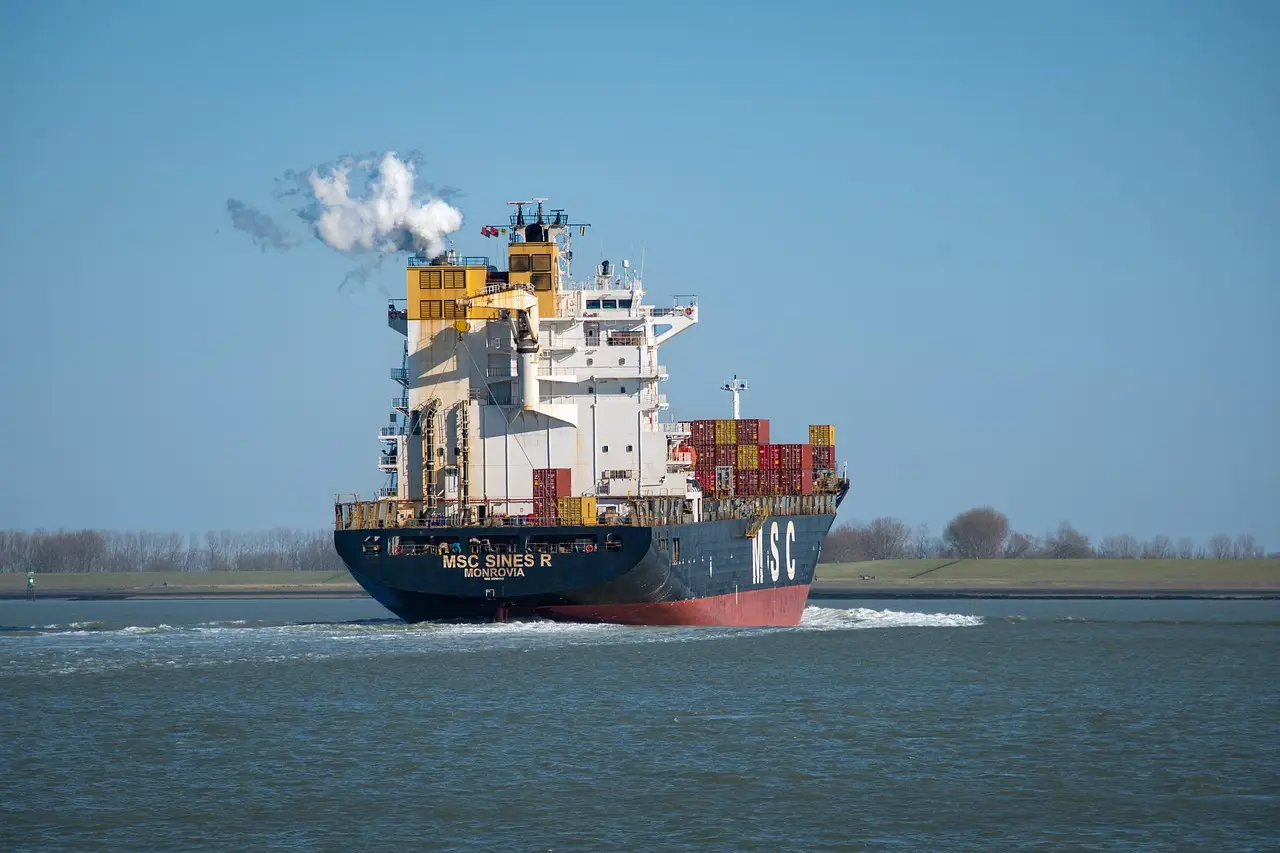
Shenzhen's loss may be Nanning's calculation. Six berths at the Baliang joint operation area in Nanning's Liujing Port district opened to foreign trade this year, letting international cargo clear customs directly through an inland river port for the first time.
The move follows the September opening of the Pinglu Canal, the new waterway linking Guangxi's inland river system to the sea. Nanning, capital of the Guangxi Zhuang Autonomous Region, now wants to convert that infrastructure into a logistics role serving the Association of Southeast Asian Nations (ASEAN).
What does the canal change for Nanning port?
Municipal Bureau of Commerce deputy director Wu Shaopeng put it plainly. "With the Pinglu Canal's opening, Nanning port has evolved from primarily handling domestic trade into a departure point for river-sea intermodal transport," he said at a briefing yesterday.
That is the core claim: a domestic river port rebadged as an intermodal origin point. The six foreign-trade berths at Baliang are the concrete evidence behind it. The city is building an integrated network across road, rail, waterways and air, with the canal positioned as the connector between inland cargo flows and international shipping routes.
How strong are the landside links?
Nanning Municipal Bureau of Transportation director Zhu Chao cited hard figures. The city's expressway network now exceeds 1,500 km. The Nanning International Railway Port runs daily cross-border rail freight services to Vietnam.
"Nanning's railway port has become China's largest consolidation and distribution centre for rail exports to the neighbouring country," Zhu said.
China-Vietnam cross-border express freight coordination has cut station-to-station transit between Nanning and Hanoi to as little as 14 hours. That figure is a technical-coordination result, not a door-to-door promise, and shippers will judge it against trucking alternatives through the Friendship Pass corridor.
Where does air cargo fit?
Nanning Wuxu International Airport has annual cargo and mail handling capacity of 400,000 tonnes and operates seven international cargo routes serving ASEAN markets. Between January and October it handled 127,800 tonnes of air cargo and mail, including 47,300 tonnes of international cargo.
That leaves substantial headroom. International traffic fills roughly 12% of stated capacity, which means the airport's ASEAN ambitions rest on demand growth rather than infrastructure constraints.
The airport's Yong Zhi Yi (Wings of Nanning) smart logistics platform enables transfers between international and domestic flights. It cuts four hours from the time needed to distribute ASEAN-imported fruit to destinations across China — a measurable, if modest, efficiency gain in a cold-chain market where hours matter.
What comes next?
Nanning plans to increase the frequency of international freight shipping routes and cross-border rail services to ASEAN. It also intends to improve connections between rail container services, road freight and port facilities. None of these targets carries a date or a volume figure yet, and officials did not address competition from established gateways such as Shenzhen, Guangzhou and Qinzhou.
Zhu framed the long-term goal as a two-way corridor. "Nanning will use the Pinglu Canal to revitalise its ports and promote coordinated development across the region," he said. The ambition is to facilitate exports of Chinese products to ASEAN markets through Guangxi, while providing an efficient route for South-east Asian goods entering China.
Whether that corridor materialises depends on shipping lines adopting the river-sea route, shippers paying for the 14-hour rail product, and Wuxu filling its seven ASEAN cargo routes. The infrastructure is built. The traffic is not yet.
via The Loadstar (Source)
More from James Calloway
Show full bio
Staff writer covering people, launches and day-to-day practice in Commercial aviation industry coverage at Flightdeck Report.
630 articles
Same bay
- FDR408Shenzhen cargo embargoes for APEC summit hit peak-season flows · November 10, 2026
- FDR995Central Asia Needs $33 Billion a Year in Infrastructure – and Its Air Cargo Capacity Doesn't Match · October 10, 2026
- FDR617Menzies Aviation posts 7% cargo volume growth as regional performance diverges · October 9, 2026
- FDR871Hong Kong and Japan move to grow air cargo via multimodal logistics · October 13, 2026
- FDR456Ocean congestion and tariff clarity could push Q4 cargo to air · October 10, 2026