Clearance CLR-3591 · AIR132
AIRAFT
Airspace & RegulationClearance sheet
After 10,000 Cancellations, US Moves to Replace Air Traffic Control System
A four-hour FAA ground stop, the longest in 25 years, cancelled over 10,000 flights. Sean Duffy says a $50 billion control system overhaul could finish by late 2028 if funded now.
Read-back
- Over 10,000 flights were cancelled on the Friday and Saturday after a 13 November FAA ground stop.
- The FAA halted all domestic US flights for more than four hours — the longest stoppage in 25 years.
- Transport Secretary Sean Duffy says the $50 billion system replacement could finish by late 2028 or early 2029 with immediate funding.
- Congress allocated $12.5 billion last year, but it covers tower equipment upgrades, not the new telecom architecture.
- The FAA attributed the outage to an outdated air traffic control system.
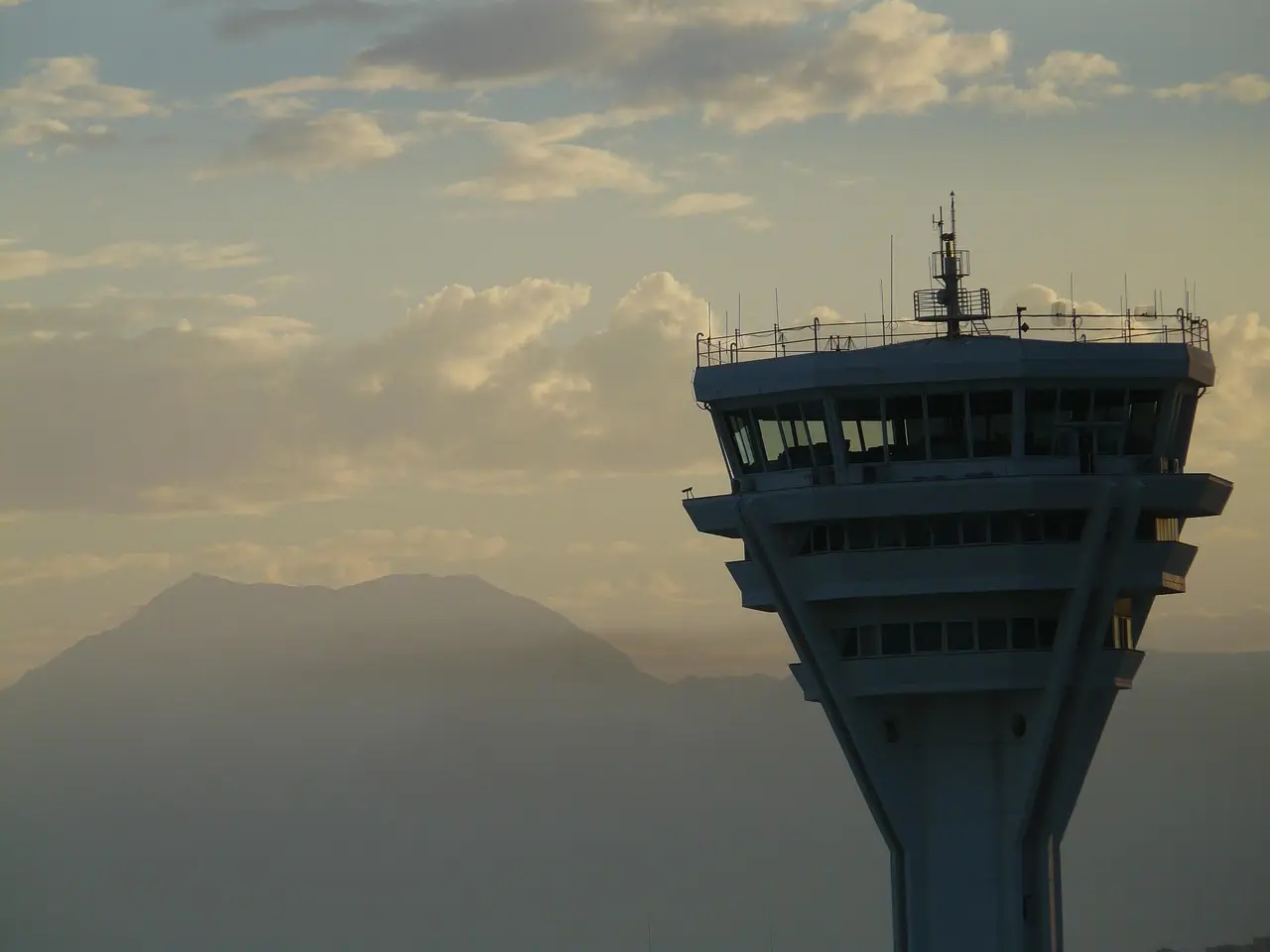
US airlines cancelled more than 10,000 flights across Friday and Saturday after a communications failure forced the Federal Aviation Administration to halt all domestic traffic for over four hours on 13 November. It was the longest such stoppage in 25 years, and the FAA has attributed it to an outdated air traffic control system.
The US government has now prepared a project to replace that system. Transport Secretary Sean Duffy told CNN the overhaul could be completed by late 2028 or early 2029 — but only if the necessary funds are allocated immediately.
What has been designed, and what has not been paid for?
Duffy said the architecture for a stabilising telecommunications system is already prepared. The single remaining requirement is money, in his words. That is a familiar position for US air traffic infrastructure, where hardware and software dating from the 1990s still run daily operations at controller towers.
The arithmetic is stark. Congress allocated $12.5 billion to the Department of Transportation last year, and that money was earmarked for upgrading equipment in dispatcher towers. Duffy said the sum is not sufficient to build a new communications architecture or to replace software written in the 1990s. He has previously stated that replacing the obsolete flight control system requires $50 billion in total.
In other words, roughly a quarter of the identified need has been funded, and none of it covers the core telecom rebuild now on the table.
What did the 13 November failure cost?
The outage began at air traffic management centres, where a communications malfunction left controllers unable to coordinate traffic. The FAA stopped all domestic flights nationwide for more than four hours — the first stoppage of that length in a quarter century.
The knock-on effects stretched across two days. More than 10,000 flights were cancelled on the Friday and Saturday following the failure, a figure that encompasses aircraft, crews and passengers displaced across the national network. For comparison, a single day of full US ground stop typically disrupts the travel plans of well over a million passengers; this event consumed most of a weekend's schedule.
The FAA has confirmed the ageing system caused the incident. That admission gives the modernisation programme a concrete justification, and it gives Congress a visible cost of inaction.
Can the 2028 timeline hold?
Duffy's schedule — completion by the end of 2028 or early 2029 — is conditional on immediate funding. That is a narrow window for a federal procurement of this scale. The $50 billion programme would have to move from architecture drawings to contracts, deployment and certification in roughly four years.
The last comparable attempt, the FAA's NextGen modernisation effort, consumed decades and billions of dollars while delivering in increments. Duffy's claim that the telecom design is finished addresses one part of that historical delay, but the funding gap of roughly $37.5 billion remains unresolved.
Airlines, which bore the operational losses of the 13 November stoppage, now have a direct commercial interest in whether Congress treats the request as urgent. If the money arrives promptly, the sector could see a new control architecture before the decade turns; if it does not, the next four-hour stoppage is a matter of when, not whether.
via azertag.az (Source)
More from Grace Kim
Show full bio
News editor covering companies, deals and strategy in Commercial aviation industry coverage at Flightdeck Report.
608 articles
Same bay
- FDR449Transportation secretary puts $30 billion price tag on ATC modernization · October 10, 2026
- FDR760FAA Chief Says Air Traffic Control Modernization Needs Billions More · October 10, 2026
- FDR492Duffy and Airlines Press Congress for $30 Billion ATC Overhaul · October 13, 2026
- FDR192Duffy, airlines press Congress for $30 billion air traffic control package · October 9, 2026
- FDR856Duffy Puts $30 Billion Price Tag on Air Traffic Control Overhaul · September 28, 2026