Clearance CLR-4107 · AIR796
AIRFAA
Airspace & RegulationClearance sheet
FAA Ground Stop Halts All US Departures After ATC Communications Failure
A communications failure across 22 en-route control centers forced the first nationwide FAA ground stop since January 2023, delaying more than 9,000 flights.
Read-back
- FAA issued a nationwide ground stop at approximately 3:54 p.m. ET on November 13, 2026
- 9,086 flights delayed by 5:19 p.m. ET, per FlightAware figures reported by The Verge
- Failure affected the network of 22 regional Air Route Traffic Control Centers
- First nationwide FAA ground stop since January 2023
- Congress has approved $12.5 billion for aviation infrastructure modernization
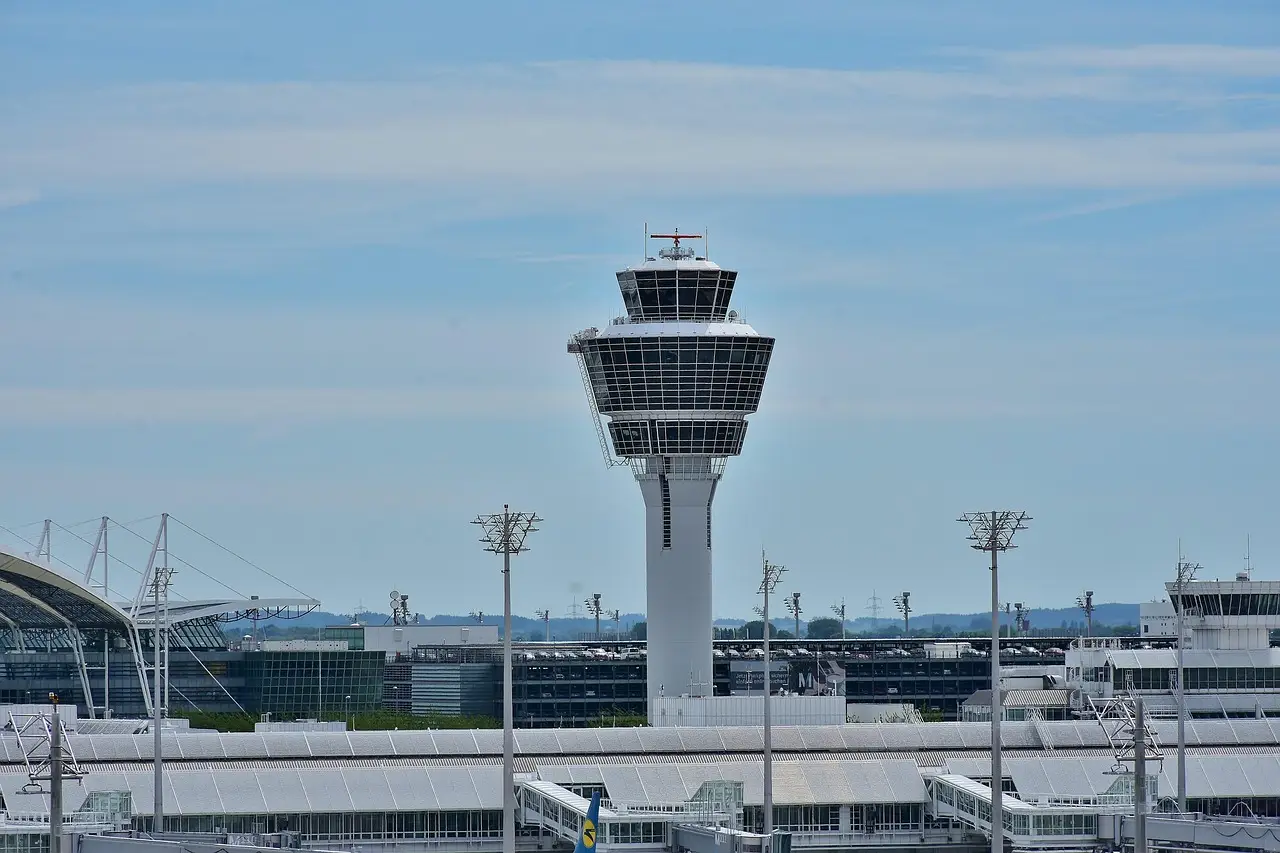
The FAA ordered a nationwide ground stop at approximately 3:54 p.m. Eastern Time on Friday, November 13, 2026, suspending all US departures after a communications failure struck the network of 22 regional Air Route Traffic Control Centers that manage en-route traffic between airports. By 5:19 p.m. Eastern, FlightAware had recorded 9,086 delayed flights within, into or out of the United States, according to figures reported by The Verge — an evolving snapshot, not a final tally.
The restrictions reached every major US airport, from New York and Washington to Chicago, Atlanta, Los Angeles and San Francisco. Aircraft already airborne were generally permitted to continue to their destinations, and authorities assessed international arrivals individually. Flight-tracking data cited by the BBC put roughly 3,100 aircraft with domestic destinations in the air when the stop took effect. The FAA's stated priority was to keep additional aircraft out of airspace where controllers might not sustain normal communications and traffic management.
Who said what, and what remains unknown?
US Transportation Secretary Sean Duffy confirmed that technicians were investigating the failure. Homeland Security Secretary Markwayne Mullin said authorities had found no evidence of a cyberattack or national security threat. Officials had not established the precise technical cause of the outage at the time of reporting. That gap matters: investigators will need to establish what failed, how widely individual systems were affected, and whether existing backup arrangements performed as intended.
The disruption landed during an already difficult stretch for US air travel. Thunderstorms had affected the Northeast, and a powerful storm was bringing difficult conditions to California. Those earlier restrictions, however, were regional and weather-driven. Friday's stop was something else — a single communications failure propagating through the entire air traffic management system.
Why this ground stop echoes January 2023
The November 13 event was the first nationwide FAA ground stop since January 2023, when a malfunction in the Notice to Air Missions system temporarily halted domestic departures. That incident showed how one technical fault in a critical system can seize the country's flight schedule within hours. This one repeats the lesson, this time through the telecom layer connecting the 22 en-route centers.
The episode has renewed attention on the condition of US air traffic control infrastructure, including communications equipment and backup systems. Congress has already approved $12.5 billion toward modernizing aviation infrastructure, including replacement of ageing communications technology. Duffy has indicated substantially more funding will be needed to complete the planned upgrades. A system-wide stop roughly every four years is one way to test that budget's sufficiency. It is not the cheapest way.
What are the operational consequences for airlines and passengers?
The immediate effect was thousands of passengers waiting at gates and aircraft unable to begin scheduled journeys. At Houston's George Bush Intercontinental and William P. Hobby airports, passengers reported prolonged waits, with aircraft held on the ground and travellers attempting to rearrange disrupted itineraries.
Recovery will not be instantaneous, even once the FAA restores normal departures. Airlines may need several hours or longer to rebuild schedules, for concrete reasons:
- An aircraft delayed at one airport may miss subsequent flights in its rotation.
- Flight crews can reach their permitted duty-time limits, forcing reassignments.
- Connecting itineraries carry particular risk at major hubs, where one late arrival can cascade across several onward services.
Airlines may offer alternative flights, refunds for cancelled services or other assistance depending on circumstances and applicable passenger protection rules. Travellers should review carrier disruption policies before making independent arrangements. Passengers flying from Europe to the United States should monitor departures closely, as international arrivals and onward domestic connections remain exposed.
At the time of the latest verified reports, the FAA had not announced a confirmed time for full restoration of normal operations. How quickly US traffic recovers now depends on the agency's next updates, the airlines' schedule rebuilds, and the answer investigators eventually deliver on what broke inside the communications network.
via rustourismnews.com (Source)
More from Grace Kim
Show full bio
News editor covering companies, deals and strategy in Commercial aviation industry coverage at Flightdeck Report.
608 articles
Same bay
- FDR203FAA Lifts Nationwide Ground Stop After Four-Hour Communications Failure · November 14, 2026
- FDR572FAA orders nationwide ground stop after all en route centers lose comms · November 14, 2026
- FDR651FAA Nationwide Ground Stop Halts US Departures, Cancels Nearly 5,000 Flights · November 14, 2026
- FDR858Telecom Outage Halts All U.S. Departures as FAA Radar and Radio Links Fail · November 14, 2026
- FDR438Thunderstorms Trigger FAA Ground Stops at Five Northeast US Airports · November 13, 2026