Clearance CLR-1747 · AIR518
AIRAIR
Aircraft & EnginesClearance sheet
airBaltic Files Chapter 11, Names Pratt & Whitney as Top Unsecured Creditor
airBaltic filed Chapter 11 on September 14 to restructure $583 million in debt, naming Pratt & Whitney as its largest unsecured creditor. The carrier will shrink its A220 fleet from 54 to 36 by year-end.
Read-back
- airBaltic filed Chapter 11 on September 14, 2025 in the SDNY (Case 26-12188) to restructure $583 million in funded debt and finance lease liabilities, targeting emergence by June 2027.
- Pratt & Whitney is listed as airBaltic's largest external unsecured creditor, reflecting years of PW1500G geared turbofan reliability issues that grounded A220s and drained cash.
- The carrier secured $404–405 million in DIP financing led by Strategic Value Partners, with Barclays, Hayfin, Morgan Stanley and Oaktree as funders.
- The A220-300 fleet will shrink from 54 to about 36 aircraft by year-end, with regrowth only to 40 by 2031 — well below the prior 100-aircraft target for 2030.
- Lufthansa Group holds roughly 10% of airBaltic; questions about recusal practices governing Dr. Alexander Feuersänger's overlapping board, SVP and GOAL roles remain unanswered.
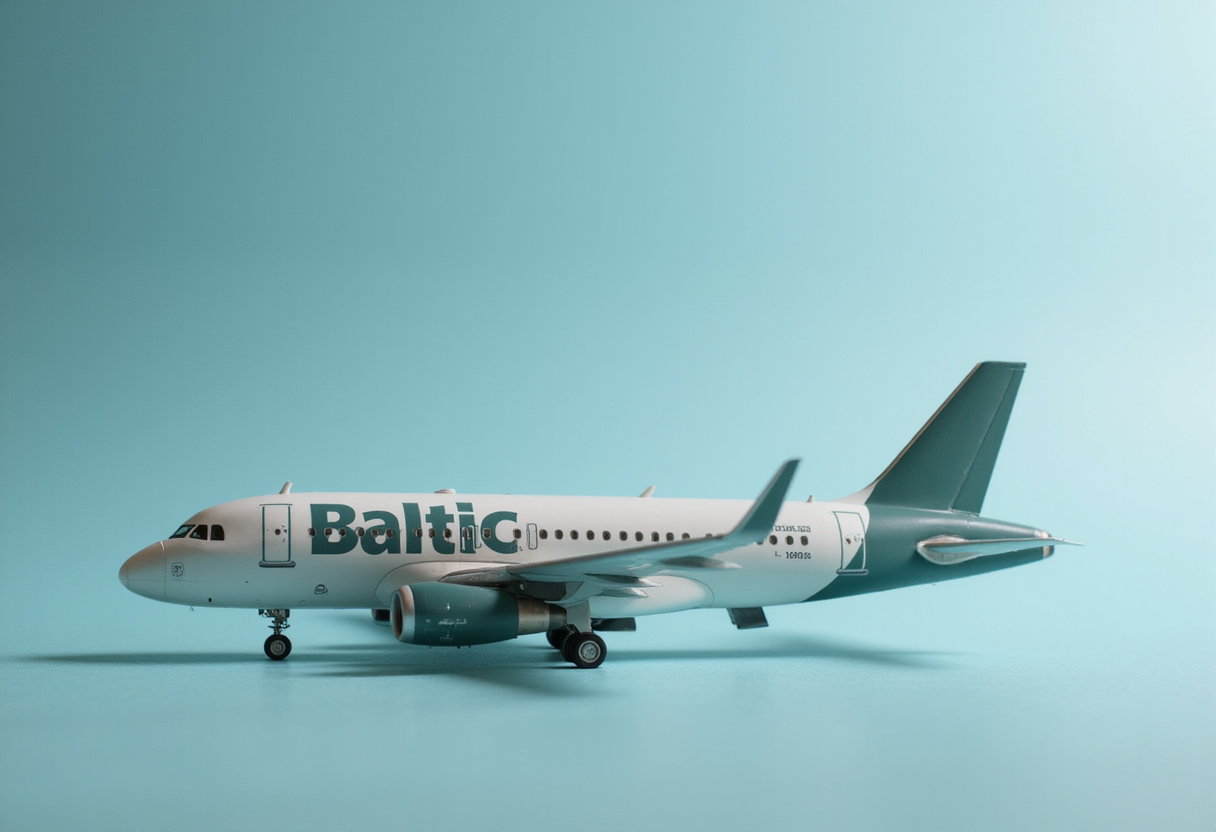
airBaltic filed for Chapter 11 protection on September 14 in the Southern District of New York, listing $583 million in funded debt and finance lease liabilities and naming Pratt & Whitney as its largest external unsecured creditor. The Riga-based carrier, Case No. 26-12188, expects to emerge from the process by around June 2027.
Flights, tickets and customer service continue uninterrupted, the airline said. airBaltic spokesperson Edvards Dolderis told Flightdeck Report: "No comment on Company internal matters, but the Shareholder's meeting has supported the course of action."
What drove the filing?
The court filing elevates a problem airBaltic has carried for years into the public record. Pratt & Whitney PW1500G geared turbofan reliability issues grounded aircraft repeatedly and consumed cash long before this month's filing. Multiple outlets now independently cite engine shortages as a direct contributing cause.
The underlying damage runs deeper than the petition. Full-year 2025 results showed a €44.3 million net loss on €779.3 million revenue, with the plan targeting roughly €44 million in annual profit improvements.
The carrier will shrink its all-A220 fleet from 54 to about 36 aircraft by year-end, with regrowth only to 40 by 2031 — a multi-year retreat from its earlier target of 100 aircraft by 2030.
What financing keeps the airline flying?
airBaltic secured $404–405 million (€350 million) in debtor-in-possession financing. Strategic Value Partners leads the package, with funding from Barclays, Hayfin Capital Management, Morgan Stanley and Oaktree Capital Management. The capital preserves operations through the restructuring; it does not reverse the engine-driven cash drain.
CEO Erno Hildén, who served as SAS's CFO through that carrier's own Chapter 11, confirmed to Reuters that unions are in talks on workforce reductions and that wet-lease and ACMI operations face the largest changes. The Latvian Aviation Union places potential job losses as high as roughly 3,000 — airBaltic's approximate headcount — though no confirmed number has been released.
What governance question remains open?
Lufthansa Group holds roughly 10% of airBaltic under a strategic investment agreement reached around September 2025, which carried a Supervisory Board seat. Dr. Alexander Feuersänger holds that seat and simultaneously serves as Lufthansa Group's Senior Vice President of Fleet Management and a board member of German Operating Aircraft Leasing (GOAL), a lessor with its own exposure to airBaltic.
Feuersänger and fellow Supervisory Board member Lars Thuesen were elected at the same August 2025 shareholders' meeting, alongside Chairman Andrejs Martinovs, Juris Sedlenieks and Ruta Amtmane.
Overlapping roles across an airline, its strategic investor and a lessor are not unusual. The unresolved question is procedural: when airBaltic's board considered financing and fleet decisions touching Lufthansa or GOAL, what recusal practices, if any, applied?
Flightdeck Report put that question to Lufthansa Group in writing earlier this month, alongside questions about GOAL ownership and the broader Lufthansa–airBaltic relationship. Lufthansa has not responded.
Separately, and unprompted, Lufthansa told Reuters on September 14–15 that it "doesn't plan to increase its stake" in airBaltic and declined to comment on next steps given the Chapter 11 proceedings. That statement is on record; it does not address recusal.
Why does Swiss have a Plan B?
The clearest acknowledgment of risk has come from a Lufthansa Group subsidiary, not the holding company. Swiss wet-leases up to 10 airBaltic aircraft, up from 6 when the arrangement began in 2022.
Swiss CFO Dennis Weber told Swiss press that "professional risk management" requires "examining other options to potentially replace capacity that could fall away." Swiss's reliance on airBaltic traces to its own PW1500G and pilot shortages, a gap persisting since 2022 and unresolved today. The carrier says flights are unaffected and airBaltic continues operating reliably on its behalf.
airBaltic's bankruptcy now has a documented cause and a funded path. The governance question, addressed to the party best placed to answer it, remains open. The next signal will come from union negotiations and the first interim financing reports filed in the SDNY docket.
via Air Insight (Source)
More from James Calloway
Show full bio
Staff writer covering industry trends and analytics at Flightdeck Report.
320 articles
Same bay
- FDR167airBaltic to Shrink Fleet From 54 to 36 Aircraft by Year-End · October 9, 2026
- FDR911airBaltic Files Chapter 11 in New York as Delta Pushes for LAX Dominance · October 9, 2026
- FDR824LCCs Fight for Spirit Slots; Alaska Expands Paine Field · September 26, 2026
- FDR561Wizz Air lifts September capacity 25% ahead of second-half cuts · October 2, 2026
- FDR761ATR Brings 29-Foot Mock-up to RAA as It Presses US Case · September 30, 2026