Airspace & RegulationClearance sheet
Australia's drone traffic system goes live with first approved flight
Airservices Australia's FIMS drone traffic system began live operations in late October, completing its first approved flight and anchoring a forecast of 60 million drone flights by 2043.
Read-back
- Airservices Australia's FIMS began live operations in late October 2024-era rollout, with the first drone flight approved through the system.
- Australia's UTM ecosystem is forecast to reach 60 million drone flights by 2043.
- Approved service suppliers so far are AvSoft, OneSky Systems and Yarra Drones.
- CASA expects the first advanced air mobility aircraft operational in Australia by 2030.
- CASA is streamlining airworthiness certification for remotely piloted aircraft above 150 kilograms.
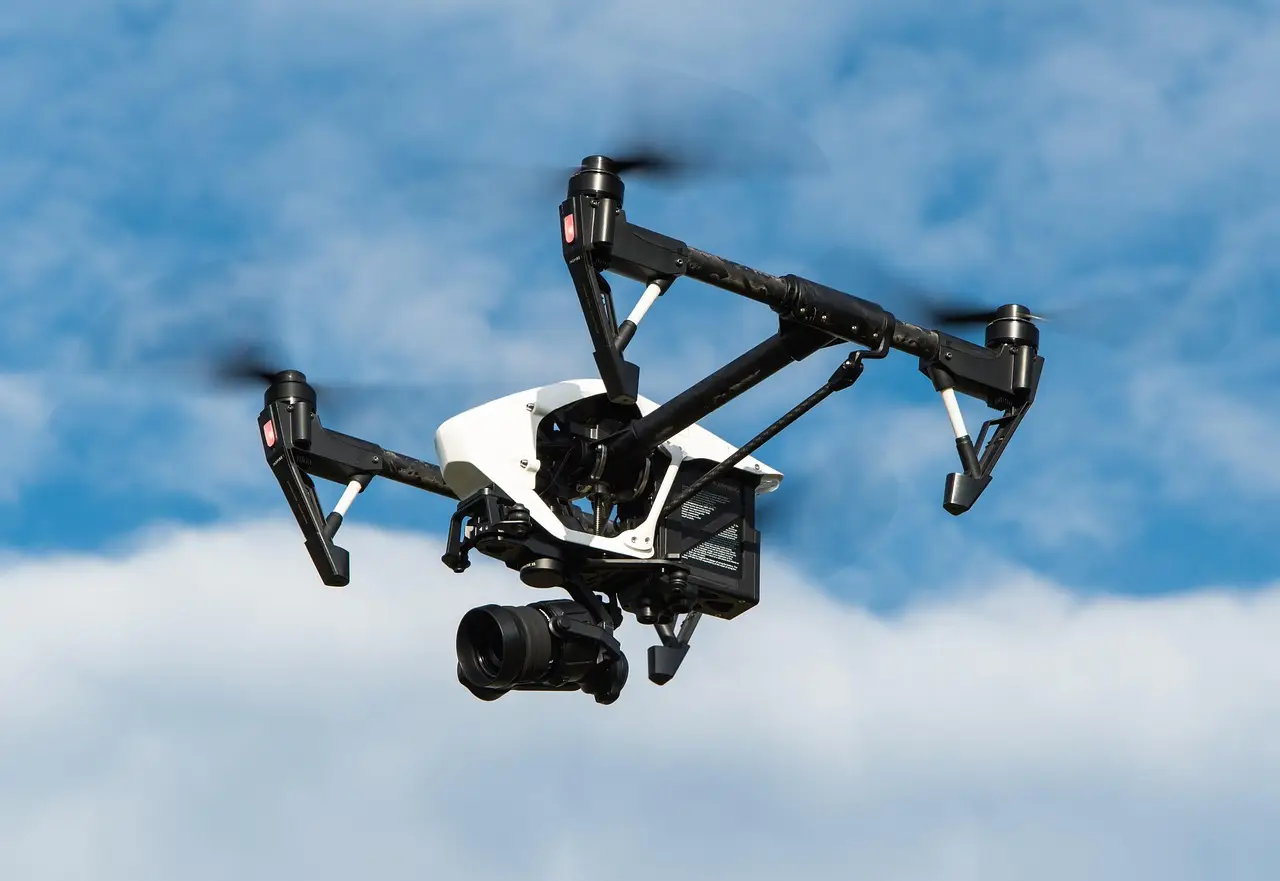
Airservices Australia's new drone traffic management system entered live operation in late October, and the first drone flight through it has already been completed and approved. The Flight Information System, or FIMS, is now the working backbone for unmanned aircraft seeking trusted airspace information and digital flight authorisation across Australian airspace.
Airservices developed FIMS since 2024 together with Frequentis Australasia and industry partners, including the Civil Aviation Safety Authority (CASA). Its purpose is direct: ensure unmanned aircraft can navigate the same airspace as passenger and cargo flights without friction or ambiguity.
The system will serve as what Airservices calls the "digital foundation" for Australia's future Uncrewed Aircraft System Traffic Management ecosystem. The forecast attached to that ambition is large — 60 million flights expected by 2043.
Who can connect today?
Drone operators reach FIMS through a network of approved uncrewed aircraft system service suppliers. Three names are on the list so far:
- AvSoft
- OneSky Systems
- Yarra Drones
Airservices says more suppliers are expected to be integrated soon. That is worth noting, because a network of three is a start rather than a market.
Frequentis reported the first live operational flight as a success. The intended flight plan was received and approved through the FIMS — a modest transaction, but the transaction the entire system exists to perform.
What do the operators' leaders say?
Airservices chief executive officer Rob Sharp called the achievement an important step in preparing Australian airspace for increasingly complex operations through uncrewed aviation.
"As drone operations continue to increase across industries such as logistics, infrastructure inspection, emergency services and transport, operators need access to trusted information and services to help them plan and operate with greater certainty," Sharp said.
He credited the result to sustained cooperation. "This achievement reflects years of collaboration between Airservices, CASA and industry to develop a system that meets the needs of drone operators today while supporting the more advanced services of the future."
Luke Gumley, Airservices' head of uncrewed services integration, framed the practical benefit in equally plain terms. FIMS will "make it easier for drone operators to access the information and services" needed to plan and operate flights safely in increasingly complicated airspace, he said.
"As Australia's drone sector continues to mature, FIMS will support increasing levels of automation, enhanced services and greater integration between crewed and uncrewed aircraft," Gumley added.
What comes next for Australian airspace?
Drone traffic in Australian airspace is expected to rise rapidly, and the demand signals are already visible. The Queensland government is backing the development of an electric vertical take-off and landing air taxi network ahead of the 2032 Brisbane Olympic Games — a deadline that tends to concentrate official minds.
The regulatory track is moving in parallel. Earlier this year, CASA announced new rules to streamline the pathway for certifying the airworthiness of large remotely piloted aircraft heavier than 150 kilograms. In late 2024, CASA stated it anticipated the first advanced air mobility aircraft would be operational in Australia by 2030.
The sequence matters. FIMS is live, three suppliers are connected, and one flight has been approved. The 60-million-flight forecast, the Brisbane deadline and the 2030 advanced air mobility target all remain promises — but each now has a functioning digital foundation beneath it.
via australianaviation.com.au (Source)
More from Grace Kim
Show full bio
News editor covering companies, deals and strategy in Commercial aviation industry coverage at Flightdeck Report.
692 articles
Same bay
- UK UTM strategy under reset, DroneX coverage indicates · October 10, 2026
- Amazon targets Australia for first international Prime Air launch · October 10, 2026
- Unifly joins European SPECTRE project to link drone traffic data to counter-UAS defences · November 20, 2026
- Airservices holds OneSKY-CMATS rollout to end-2027 despite US ATC meltdown · November 18, 2026
- Textron's Aerosonde Flies First UAS Vertiport Operations in US Commercial Airspace · September 30, 2026