Clearance CLR-4493 · AIR572
AIRAUS
Airspace & RegulationClearance sheet
Australian pilots push back against CASA's new annual aircraft fee
CASA's new annual per-aircraft fee has drawn a backlash from Australian pilots, who say the flat charge adds cost without any change in the regulator's service.
Read-back
- CASA has introduced a new annual fee charged on each registered aircraft
- Australian pilots and owners have mounted a backlash against the charge, The Australian reports
- The fee is flat per aircraft per year, regardless of how much the airframe flies
- Industry objections focus on the absence of any service change tied to the new cost
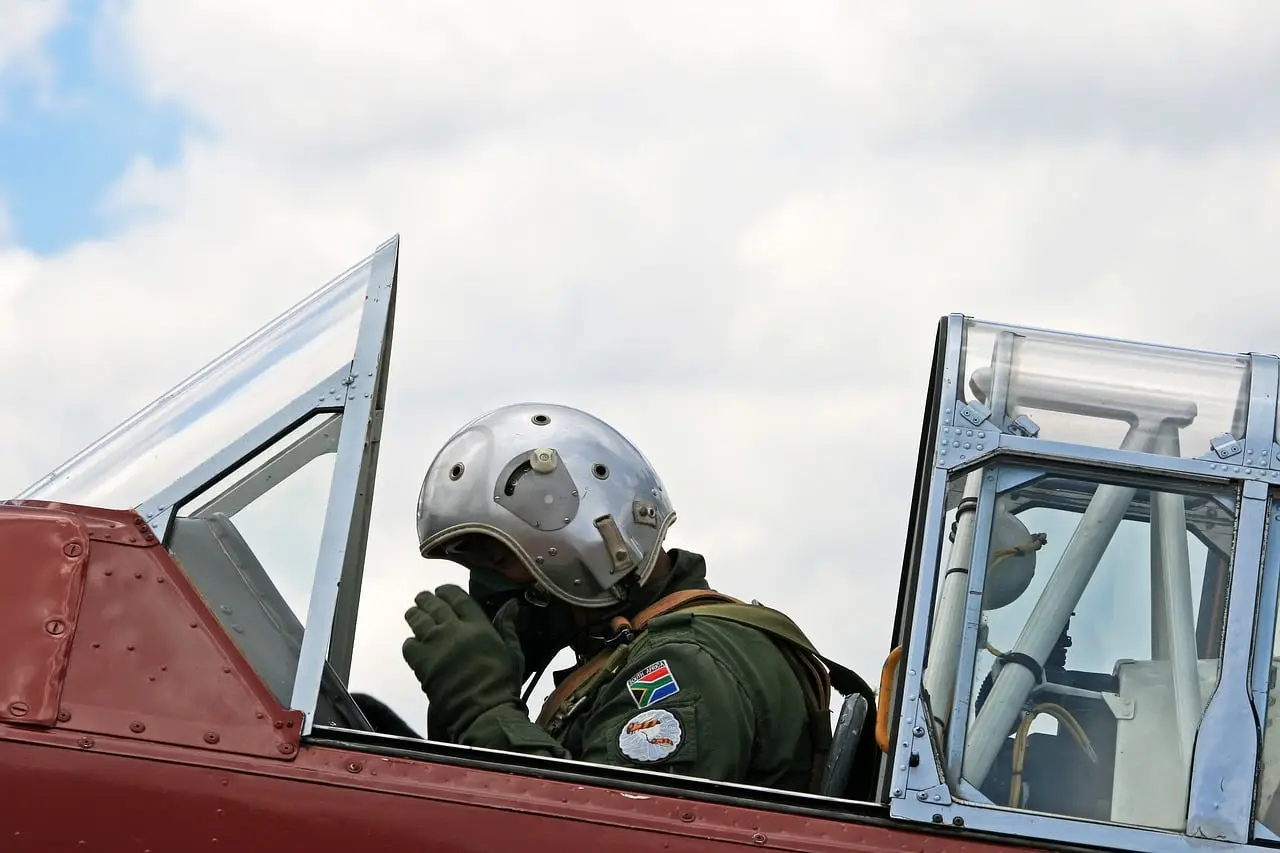
Australia's civil aviation regulator CASA (Civil Aviation Safety Authority) is facing a backlash from pilots over a new annual fee charged on each aircraft, The Australian reports.
The charge applies per registered aircraft each year, which means owners of multiple airframes pay it once for each one. For private owners and small operators flying on thin margins, an annual line item that did not previously exist lands directly on the cost base of keeping an aircraft registered.
Who pays, and why it stings
The fee sits on the registration side of the system rather than on individual flights or licences. That structure matters. A usage-based charge scales with activity; a flat annual fee does not. An aircraft that flies ten hours a year carries the same charge as one flying several hundred.
For the private and general aviation community — a segment already under cost pressure from avgas prices, insurance and maintenance — a fixed annual levy is regressive by design. The pilot backlash reported by The Australian reflects that arithmetic as much as any objection to the regulator itself.
What does this change for owners?
The practical question is whether the fee changes any behaviour. A flat annual charge gives owners an incentive to consolidate fleets, delay re-registration of seldom-used aircraft, or in marginal cases remove airframes from the register altogether.
Each of those outcomes has second-order effects. A shrinking registered fleet spreads the regulator's cost recovery across fewer payers, which in turn puts upward pressure on the per-aircraft fee in later years. Owners and industry groups have flagged this loop in their objections, according to the report.
The regulator's position
CASA operates under a cost-recovery framework in which the expenses of overseeing registration, airworthiness and safety administration are recouped from the industry it regulates. Annual fees on registered aircraft are one lever within that framework.
The counter-argument from owners is simple: the fee arrives without a corresponding change in the service delivered. If oversight output stays constant while the bill rises, the increase reads as revenue repair rather than regulatory investment.
The dispute is therefore not only about the amount. It is about the link — or absence of one — between what owners pay and what CASA demonstrably provides for that payment.
Where it sits in the wider debate
Arguments over regulator funding are not unique to Australia, but the Australian general aviation sector has long argued that its cost per participant has climbed while its share of regulatory attention has not shifted proportionally. A new annual fee sharpens that complaint into a concrete, recurring invoice.
Pilot associations and owner groups quoted in The Australian's coverage frame the measure as the latest in a sequence of cost increases, and they have raised it through industry channels rather than through formal legal challenge. The strength of the backlash suggests the fee has become a rallying point for broader dissatisfaction with how aviation oversight is funded.
What happens next
Watch two things: whether CASA adjusts the fee structure or its scope in response to industry pressure, and whether registration numbers on the Australian civil aircraft register move once the charge takes effect. A measurable dip in active registrations would confirm the behavioural concern owners have raised and would hand critics a data point for the next round of consultation.
via Google News: Aviation safety (Source)
More from Sophie Lindqvist
Show full bio
Senior reporter covering people, launches and day-to-day practice in Commercial aviation industry coverage at Flightdeck Report.
574 articles
Same bay
- FDR746CASA Part 21 amendments ease rules for specialised operations · October 13, 2026
- FDR605Qantas and Virgin weigh passing SAF costs to passengers · September 29, 2026
- FDR860Malaysia Airlines Parent Floats Green Tax as SAF Costs Bite · October 19, 2026
- FDR494MAG studies green levy as SAF premium reshapes airline cost math · October 19, 2026
- FDR844New Zealand Aviation Sector Urges Government SAF Plan · September 30, 2026