Clearance CLR-5450 · SAF547
SAFAUS
Safety & OperationsClearance sheet
Australian training accident rates fell over decade, ATSB finds
The ATSB reviewed 5,131 instructional flying occurrences from 2015 to 2024, finding 19 accidents per year on average and a downward rate trend — but helicopter training risk far outpaced aeroplanes.
Read-back
- ATSB analysed 5,131 instructional flying occurrences on VH-registered aircraft between 2015 and 2024
- Accidents averaged 19 per year, including 15 fatal and 9 serious-injury events, with rates trending downward
- Helicopters recorded nearly three times the accident rate and double the fatal accident rate of aeroplanes
- Multi-engine training aeroplanes showed a fatal accident rate about five times that of single-engine aircraft
- Over half of aircraft-control accidents occurred during the landing phase; separation issues led serious incidents
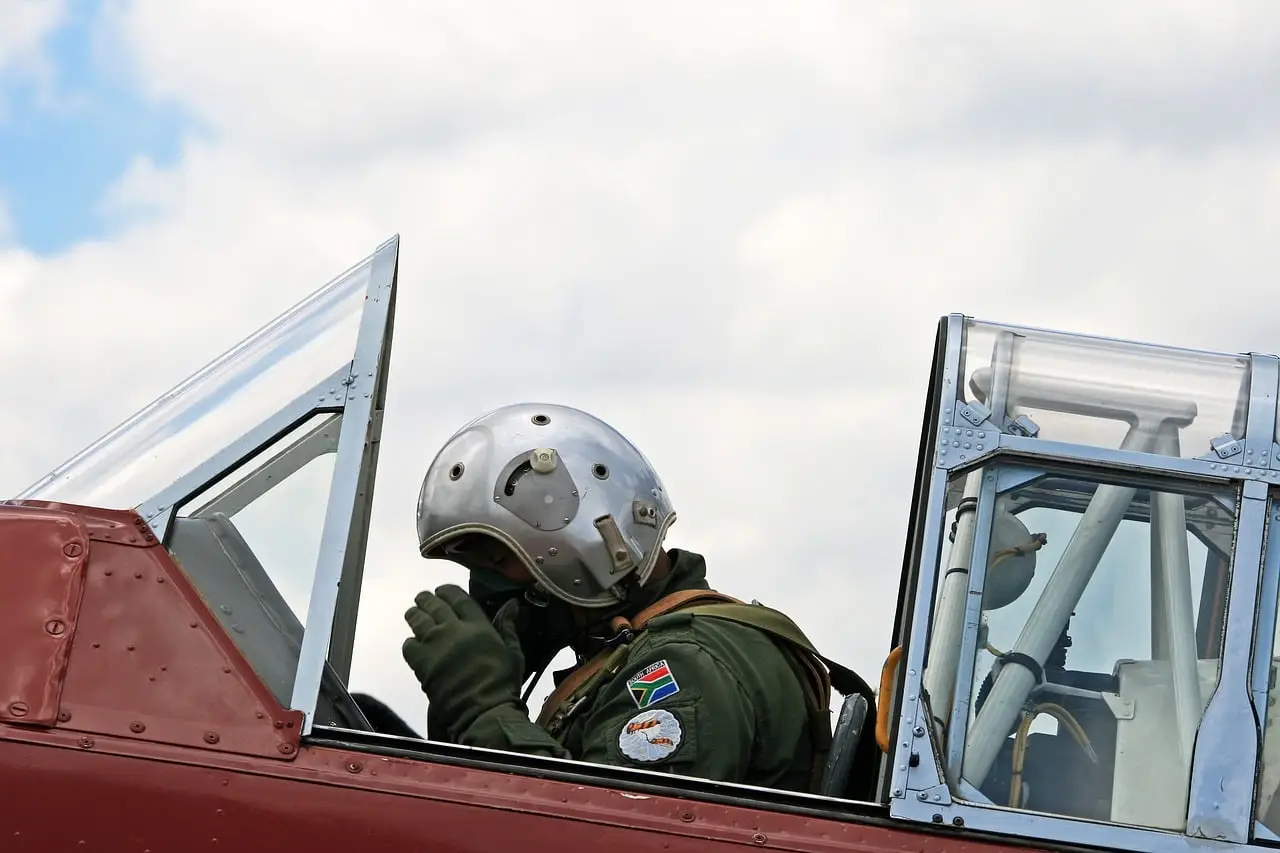
Australia recorded an average of just 19 instructional-flying accidents per year between 2015 and 2024, and the accident rate trended downward across the decade, according to an Australian Transport Safety Bureau report released this month.
The ATSB analysed 5,131 instructional flying occurrences on VH-registered aircraft over the ten-year window. Accidents — including 15 fatal and nine serious-injury events — accounted for roughly 4 per cent of all occurrences. Serious incidents, defined as cases where an accident nearly occurred, made up a further 8 per cent.
The headline decline masks uneven risk across the fleet and flight profiles. The data separates aeroplanes from helicopters, dual from solo instruction, and single from multi-engine training. Each split carries a different insurance, syllabus and fleet-planning consequence for operators.
How does instructional flying compare with other GA sectors?
Favourably, with one exception. "For VH-registered aircraft, instructional flying had a lower accident rate than most other general aviation activities (sports and pleasure flying, aerial work) except own business flying," the ATSB said.
The bureau also tested a common assumption about dual versus solo training. Fatal accidents ran double during dual instructional flying compared with solo. But the ATSB attributed this "possibly" to the higher frequency of dual-training flights rather than greater inherent danger. Accident risk itself was similar across both modes, with comparable numbers of aircraft control issues and terrain collisions.
Where is the risk concentrated?
Helicopters are the outlier. Though most instructional occurrences involved aeroplanes, helicopters recorded nearly three times the accident rate, double the fatal accident rate, and higher rates of serious incidents. "This suggests that instructional flying conducted in helicopters posed a greater overall risk compared to aeroplanes," the ATSB said.
Engine count matters too. Multi-engine aeroplanes showed a fatal accident rate around five times higher than single-engine aircraft in instructional use. ATSB director of transport safety Dr Stuart Godley said the gap was "likely related to training activities and aircraft complexity".
The leading accident cause was aircraft control issues — hard landings and loss-of-control events — with over half of these occurring during the landing phase. Godley identified this as the sector's greatest accident risk.
What drives serious incidents?
For serious incidents, the dominant factor was aircraft separation, including near collisions. Godley said these events "typically occurred in uncontrolled airspace, and were commonly associated with failures in monitoring and checking, ineffective communication and coordination, inadequate task experience or recency, and increased workload or distractions".
"These results reinforce the importance of maintaining effective lookout, and actively managing separation during instructional flying," he said.
The findings point operators toward circuit-phase traffic awareness at uncontrolled fields as a concrete training focus, not a hypothetical one.
What does the bureau want operators to do?
Godley framed instructional flying as foundational to the entire aviation system. "Every pilot takes part in instructional flying at some stage, and the activity underpins the entire aviation sector," he said.
"It is therefore important for operators to maintain a robust safety management framework and routinely consider how their training practices are mitigating risks – and part of that is understanding the common factors in safety occurrences."
He cautioned that risk varies by subtype. "Overall, the analyses presented in the report highlight common occurrence factors in the instructional flying sector, as well as some variance depending on activity subtype, aircraft type, and the number of aircraft engines," he said. "We encourage all operators involved in instructional flying to review this report, maintain awareness of the relevant risks, and apply targeted safety strategies to address them."
What does this change for flight schools? Nothing immediately regulatory — the report carries findings, not mandates. But a ten-year dataset showing helicopter operations at triple the aeroplane accident rate, and multi-engine training at five times the single-engine fatal rate, gives operators and insurers a quantified basis for reviewing fleet mix, syllabus design and safety management systems ahead of any future CASA response.
via australianaviation.com.au (Source)
More from James Calloway
Show full bio
Staff writer covering people, launches and day-to-day practice in Commercial aviation industry coverage at Flightdeck Report.
675 articles
Same bay
- FDR449EASA 2026 safety review: 11 HEMS events, 22 training events · October 30, 2026
- FDR255FAA Ends Single-Pilot Exemptions for Part 25 Citation Jets · September 27, 2026
- FDR482Sydney controllers warn of collision risk after airspace redesign · September 30, 2026
- FDR730EASA counts 116 aviation fatalities in 2025 annual safety review · September 30, 2026
- FDR942Army report traces DCA midair to systemic failures, not a single error · October 9, 2026