Clearance CLR-7215 · AIR402
AIRBIR
AirportsClearance sheet
Birmingham bets GBP2 billion on capacity as Heathrow's third runway wobbles
Birmingham Airport's GBP2 billion Master Plan targets 30 mppa capacity just as political doubt grows over Heathrow's third runway under new PM Andy Burnham.
Read-back
- Birmingham Airport's Master Plan envisages more than GBP2 billion of investment for capacity of 30 million passengers per annum.
- Andy Burnham became British Prime Minister in July 2026 on a platform emphasising regional economic growth.
- Manchester Airport, Burnham's home turf, has already completed a major expansion programme.
- UK government vacillation makes delay or cancellation of Heathrow's third runway increasingly likely, per CAPA.
- Birmingham passenger numbers have risen substantially but the airport underperforms relative to its catchment size.
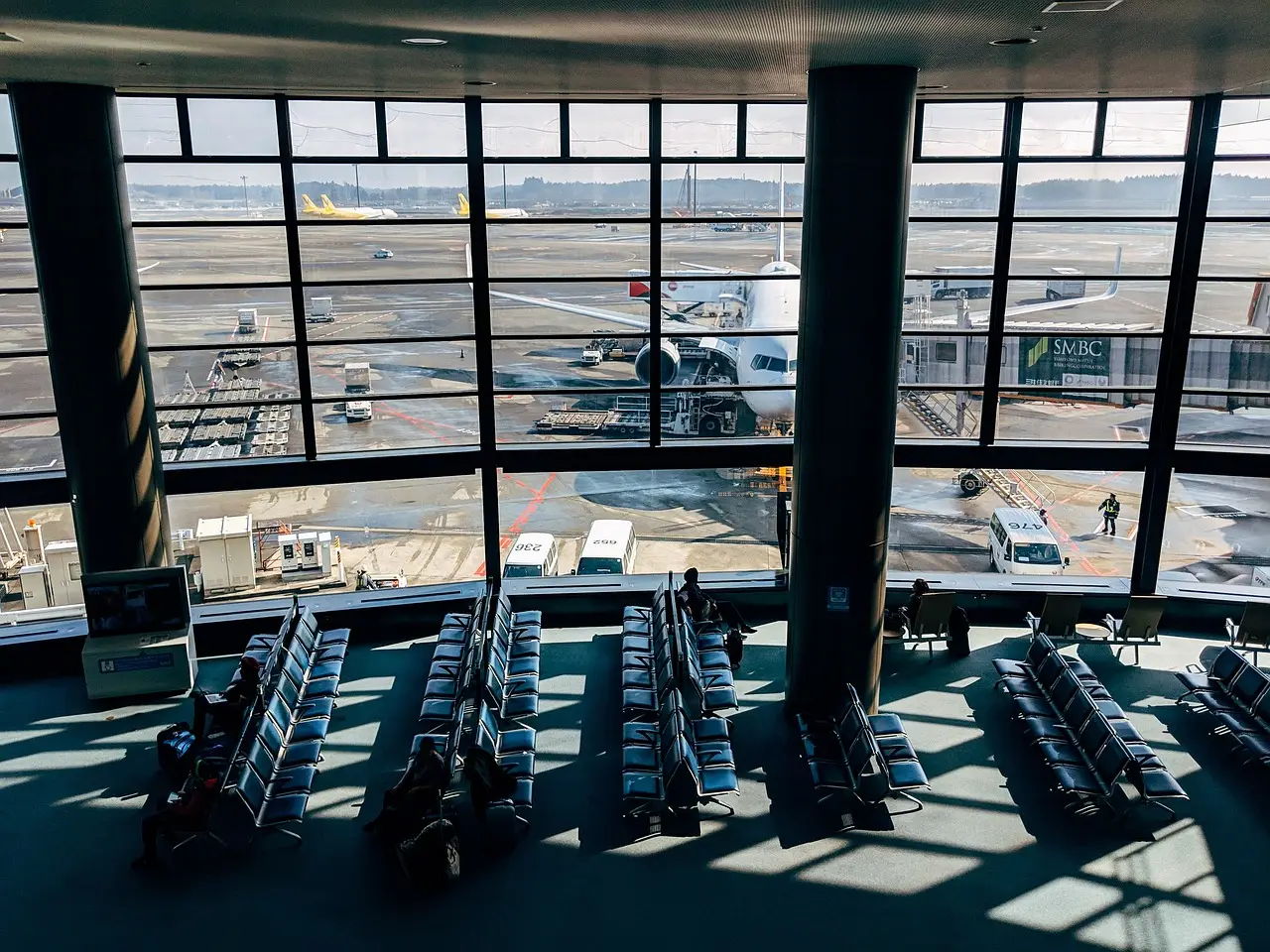
Birmingham Airport has unveiled a Master Plan worth more than GBP2 billion, designed to lift its capacity to 30 million passengers per annum (mppa) at a moment when the UK government is signalling fresh doubt over London Heathrow's third runway.
The timing is the story. According to CAPA – Centre for Aviation, the appointment of Andy Burnham as British Prime Minister in July 2026 reshapes the political calculus of the nation's airport system. Burnham has built his domestic platform around regional economic growth, and regional airports and their economic catchment areas sit squarely within that agenda.
CAPA's analysts read Manchester Airport as the likely first beneficiary. It sits on the new Prime Minister's home political turf, where he served as city-region Mayor before entering national office. Manchester, however, presents a practical constraint on how much headroom politics can create: a huge expansion programme there has already been completed, opening the doors to new services. The capacity at Britain's third-busiest airport gateway in the North West is, in effect, largely banked.
What does this change for Birmingham?
Birmingham is the less developed asset in the equation, and that is precisely why the Master Plan matters. Passenger numbers have risen substantially in recent years, yet the airport still punches below its weight when measured against the size of its catchment area. The Midlands conurbation supplies more demand than the airport currently converts into routes and frequencies.
The GBP2 billion investment programme is the mechanism intended to close that gap. New and improved infrastructure would give both the airport and the city an economic boost, and — more strategically — it hands Birmingham the opportunity to benefit if Heathrow's third runway project does not proceed, or slips further into delay. CAPA notes that such an outcome is looking increasingly likely, as the government yet again vacillates over the project that has circulated through British planning politics for more than a decade.
The Heathrow question
The logic is one of substitution, not fantasy. If additional runway capacity in the South East of England fails to materialise on schedule, constrained slot supply at Heathrow and Gatwick pushes traffic toward airports with room to grow. Birmingham's 30 mppa ambition positions it to capture a share of that displaced demand, particularly from carriers serving business markets tied to the Midlands manufacturing corridor.
Three variables will decide whether the bet pays off:
- Political follow-through. Burnham's regional growth agenda must translate into tangible support — planning consent, surface-access investment, route development assistance — rather than rhetoric.
- Heathrow's fate. Every further delay to the third runway strengthens the case for long-haul and connecting capacity in the regions.
- Execution at Birmingham. More than GBP2 billion of capital spending must deliver infrastructure that airlines actually want to use, at cost bases that make new routes viable.
A regional airport with a national opening
For two decades, UK aviation policy has treated London capacity as the system's binding constraint. A Prime Minister from the North, a completed expansion at Manchester, and a stalled one at Heathrow together create an unusual alignment for Birmingham. The airport's own numbers — rising traffic, a large underexploited catchment, and a funded plan to reach 30 mppa — suggest the raw material is present.
What remains uncertain is conversion. The Master Plan gives Birmingham the physical capacity to compete for traffic that London cannot accommodate; whether airlines commit the aircraft, and whether government policy holds steady long enough for the investment to mature, will determine whether the GBP2 billion buys market share or merely headroom.
With Burnham in office from July 2026 and the Heathrow decision still unresolved, Birmingham now has a national opening that regional airports in the UK have rarely been offered.
via CAPA News (Source)
More from Sophie Lindqvist
Show full bio
Senior reporter covering people, launches and day-to-day practice in Commercial aviation industry coverage at Flightdeck Report.
599 articles
Same bay
- FDR861Burnham cools on Heathrow third runway, floats Manchester alternative · September 30, 2026
- FDR651Birmingham Airport expansion plan draws split verdict from stakeholders · October 9, 2026
- FDR989Burnham Withholds Support for Heathrow Expansion · September 28, 2026
- FDR889Birmingham Airport Expansion Plan Welcomed as Investment Confidence Signal · October 9, 2026
- FDR991UK Prime Minister Declines to Back Heathrow Third Runway · September 28, 2026