Clearance CLR-5133 · AIR438
AIRBRI
Airlines & NetworksClearance sheet
British Airways Back in Dubai as Saudi Suspensions Stretch Into 2027
British Airways landed at Dubai on 4 November after eight months away. Emirates flies to 140 destinations, but Riyadh and Dammam stays suspended as Houthi strikes reshape Gulf networks.
Read-back
- British Airways' first London Heathrow–Dubai flight since the war landed on 4 November after an eight-month suspension.
- Saudi airports have been hit repeatedly since early October; Riyadh's airport was struck four times, with 17 dead and over 300 injured.
- EASA conflict-zone advisories covering Saudi Arabia, Iran and the Gulf are valid until 16 November.
- Emirates operates 1,300 weekly flights, about 93 per cent of pre-war capacity.
- Singapore Airlines has extended its Dubai suspension to 28 February 2027.
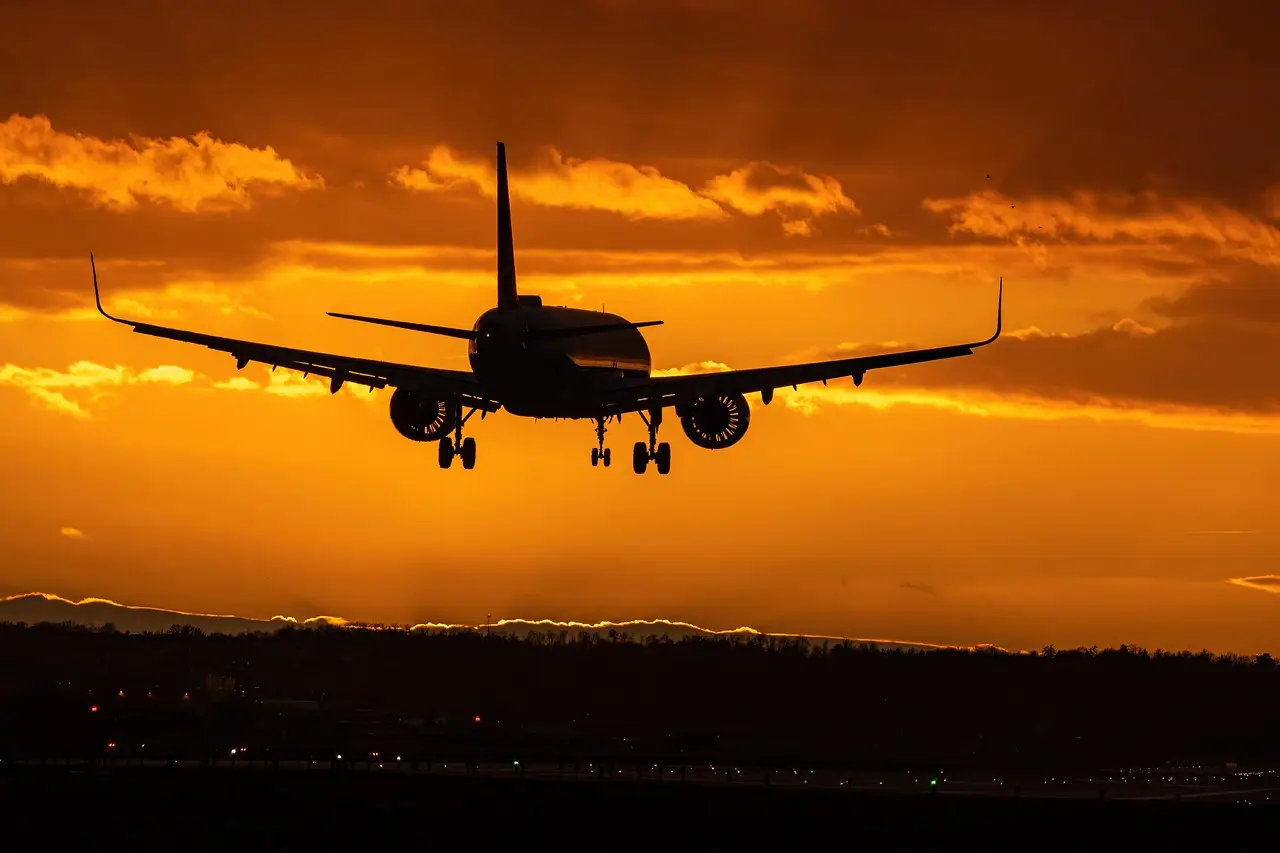
British Airways landed at Dubai International on Wednesday 4 November, ending an eight-month suspension of its London Heathrow service and marking the first return of a major European carrier to the Gulf hub since the war began. The contrast with Saudi Arabia is stark: attacks on the Kingdom's airports since early October have left 17 dead and more than 300 injured, and airline suspensions there now stretch into 2027.
Riyadh's airport was hit four times, the worst record in the region. The UK now advises against all but essential travel to all of Saudi Arabia, against all travel within 10km of the Yemeni border, and warns British nationals to stay away from King Khalid International Airport, which it says remains a target. US embassies have issued similar alerts, telling citizens to "be aware of potential flight cancellations, airspace closures and travel disruptions" and to "exercise heightened vigilance".
What does this change for Gulf networks?
Emirates is flying to 140 destinations in 72 countries, 98 per cent of its pre-war network, with more than 1,300 weekly flights — roughly 93 per cent of previous capacity. It reinstated Jeddah on 30 October and plans to resume Riyadh and Dammam on 8 November. All Emirates passengers can now change ticket dates free of charge, unlimited times, and international passengers receive travel insurance covering conflict-related expenses, a free 30-day trip extension and airline-managed hotel stays.
Etihad operates to more than 90 destinations and adds more as "conditions permit". It cancelled Riyadh and Dammam through 5 November, with some 6 November departures affected. Daytime Jeddah flights continue while selected night flights stay cancelled. Tickets issued on or after 6 March 2026 for travel up to 31 March 2027 can be changed once without a fee, and all international arrivals in Abu Dhabi receive 15 days of complimentary medical insurance.
Qatar Airways has suspended Abha, Dammam, Riyadh and Taif with no resumption date, and cut Jeddah from seven daily flights to four. It now serves more than 160 destinations, 85 per cent of its pre-war network, including Cairo, Miami, New York, Beijing and Mumbai. Flydubai cancelled Abha, Dammam and Riyadh through 3 November and suspended Tel Aviv after a September terror incident, warning that rerouted flight paths mean longer durations and transit times in Dubai. Gulf Air has restored 75 per cent of pre-war capacity across more than 50 destinations but still suspends all Saudi flights. Air Arabia's Riyadh, Abha and Kuwait services face cancellations and delays this week.
Which international carriers have pulled out?
The suspension list is long and dated:
- Singapore Airlines: Dubai suspension extended to 28 February 2027; subsidiary Scoot suspends Jeddah until 2 December.
- KLM: Dubai cancelled through 27 March 2027; Riyadh and Dammam through 27 November 2026.
- Cathay Pacific: Dubai and Riyadh cancelled until 31 January 2027. "The safety of our customers and people guides every decision we make," the airline said.
- Air Canada: Dubai and Tel Aviv suspended until end of March 2027.
- Virgin Atlantic: London–Dubai suspended for the foreseeable future. "The recent escalation in the Middle East has brought forward the end of our operation for this season," it said on 8 March.
- Wizz Air: Dubai and Abu Dhabi suspended until March 2027; Madinah cancelled indefinitely.
- Others: Finnair (Dubai to 27 March 2027), Korean Air (Dubai, no date), Japan Airlines (Doha until safety is confirmed), Lufthansa (Riyadh to 18 November, Dammam to 30 November, Dubai return postponed to 25 November), ITA (Dubai to 30 November, Riyadh to 18 November), Norwegian and AirBaltic (Dubai withdrawn).
Delta postponed its planned Atlanta–Riyadh launch, originally set for 23 October, to March 2027. Air India and IndiGo cancelled Riyadh, Jeddah, Dammam and Madinah until 14 November, citing airspace restrictions. Oman Air cancels Riyadh until 7 November, Philippine Airlines until 29 November, and Pakistan International Airlines has suspended Riyadh since 9 October with no resumption date. Flynas still flies daily to Dubai, Doha and Bahrain but expects heavy delays. Turkish Airlines restored four daily Dubai–Istanbul flights on 1 September and raised Abu Dhabi from four to seven weekly. Air France, Aegean, Malaysia Airlines and Air Astana have selectively resumed Beirut, Tel Aviv, Jeddah, Madinah and Dubai services. Iranian airlines are banned from UAE airspace after US sanctions on Iran's civilian fleet.
What are regulators saying?
EASA's conflict-zone advisories cover Saudi Arabia, Iran, Iraq, Jordan, Lebanon and the Persian Gulf and Gulf of Oman, valid until Monday 16 November unless reviewed earlier. The Saudi advisory applies to the entire Jeddah Flight Information Region (the airspace block managed from Jeddah), telling airlines not to operate in a specified portion and to exercise caution elsewhere. Kuwait, Bahrain, the UAE, Qatar, Iraq and Israel have reopened airspace, Iran allows eastern transit, and Saudi airspace is technically open but struck intermittently by Yemen's Iran-backed Houthis. No GCC state other than Saudi Arabia has been attacked since September, when Kuwait and Bahrain intercepted drones.
For passengers, the consequences are concrete: technical fuel stops in southern Europe on low-cost services, cancellations while airspace is closed, schedule knock-on effects, and longer flight times on rerouted services. With advisories up for review on 16 November and Houthi strikes continuing, the pattern of short-notice suspensions and staged resumptions looks set to persist into 2027.
via cntravellerme.com (Source)
More from Sophie Lindqvist
Show full bio
Senior reporter covering people, launches and day-to-day practice in Commercial aviation industry coverage at Flightdeck Report.
616 articles
Same bay
- FDR403Missile strikes on Saudi airports push Gulf carriers into open-ended cuts · October 30, 2026
- FDR258Saudi Airspace Crisis: 45% of Flights Grounded as Houthi Attacks Escalate · November 9, 2026
- FDR694British Airways resumes London-Dubai flights after eight-month halt · November 9, 2026
- FDR999Saudi Airport Attacks Trigger Cancellations, Airspace Warnings · October 12, 2026
- FDR156Riyadh Airport Attack Kills 12, Injures 309; 260 Flights Scrapped · October 12, 2026