Clearance CLR-5298 · AIR109
AIRCAR
Air CargoClearance sheet
Cargo Theft Losses Rise 39% to $718.9m Despite 25% Drop in US Incidents
Cargo crime losses across the US and Canada hit $718.9m through 23 October, up 39% year on year, even as reported incidents fell 25%, Verisk CargoNet data shows.
Read-back
- Cargo theft losses across the US and Canada rose 39% year on year to $718.9m through 23 October, despite incidents falling 25% to 2,072.
- Average documented value of stolen goods rose 72% to more than $448,000.
- Q3 saw 547 incidents and $230.1m in estimated losses; California led with 182 incidents.
- Strategic, deception-based theft has grown from under 3% of cargo theft before 2020 to roughly 30% or more, TAPA Americas estimates.
- AfA is pushing to attach CORCA to the FY2027 NDAA; criminals are buying established motor carrier registrations for $25,000-$35,000.
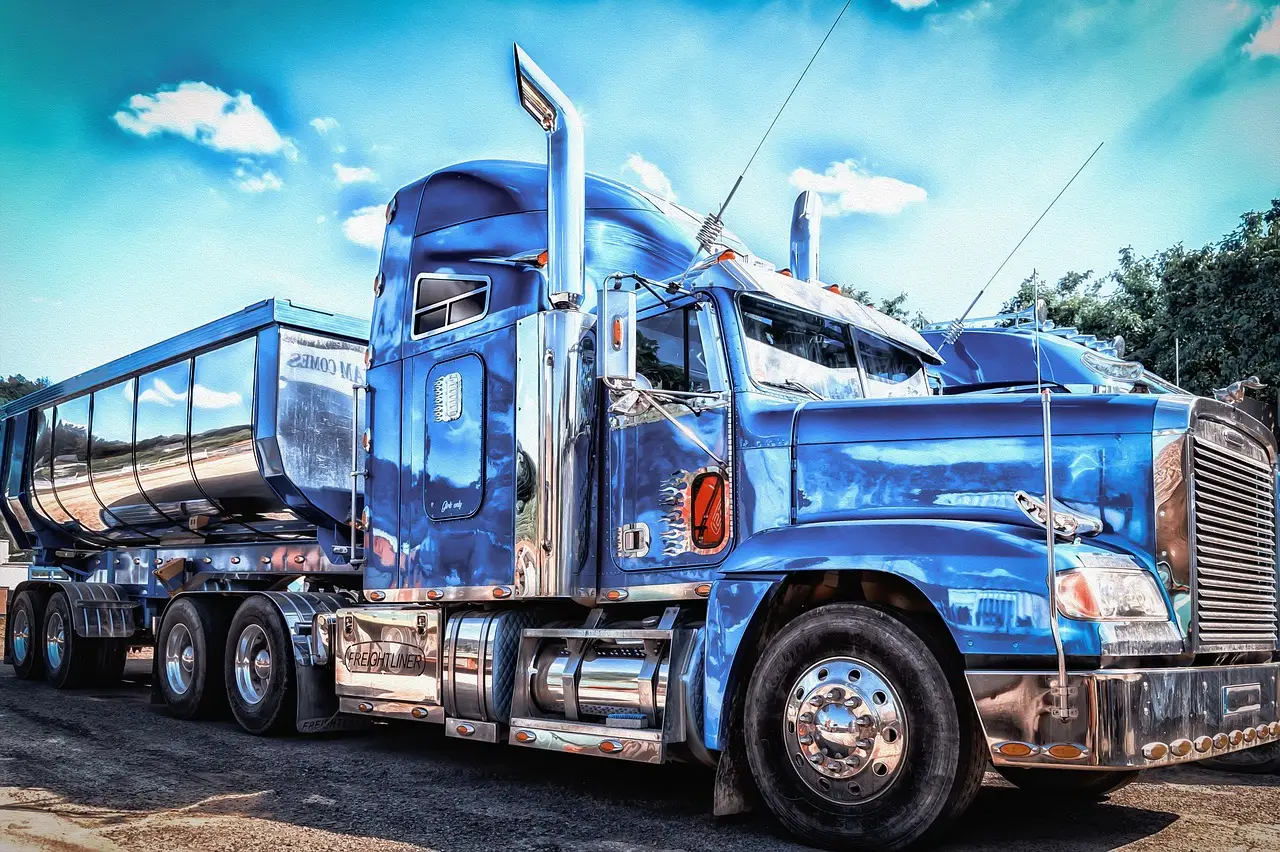
Cargo crime losses across the US and Canada reached $718.9m through 23 October, a 39% year-on-year increase, even as reported incidents fell 25% to 2,072 from 2,755 in the comparable 2024–25 period. The figures come from Verisk CargoNet, the supply chain crime database, and were set out by its vice-president of operations, Keith Lewis.
"While the number of incidents declined, the financial impact moved in the opposite direction, losses increasing 39% to $718.9m," Lewis said. He noted the average documented value of stolen goods surged 72% year on year, from approximately $261,000 to more than $448,000.
What does the decline in incidents actually change?
Not the risk profile, according to Lewis. "The data shows why fewer reported incidents should not necessarily be interpreted as lower cargo theft risk. Losses associated with these events are becoming increasingly significant," he said.
In the third quarter alone, CargoNet recorded 547 incidents, roughly 33% fewer than a year earlier. Estimated losses for the quarter still reached $230.1m. California accounted for the largest share of Q3 incidents at 182, followed by New Jersey, Texas and Illinois.
Organised criminal networks are increasingly exploiting identity fraud, carrier impersonation and weaknesses in freight verification rather than physical hijacking. CargoNet recorded 138 fictitious pickups in Q3 — incidents in which criminals impersonate legitimate carriers to collect and divert shipments — against 147 in the same quarter of 2025.
"Criminals are looking for ways to exploit identity, communications, and shipment-verification processes to pose as legitimate participants in the supply chain," Lewis said. He said the schemes typically rely on compromised business email accounts, internet-based phone systems and transport-industry applications.
By commodity, food and beverages was the most targeted category in Q3 with 94 incidents, followed by metals (63), household goods (49) and electronics (46). Warehouses and distribution centres accounted for 197 reported incidents in the quarter.
How has strategic theft changed the picture?
Scott Cornell, chair of TAPA Americas (the Transported Asset Protection Association), said cargo theft has fundamentally changed in the US over the past six years. "We have seen massive increases in the overall cargo theft numbers and values, and, in particular, a significant rise in strategic cargo theft," he said.
Cornell estimated that strategic theft — deception-based rather than physical stealing — has risen tenfold this decade, from less than 3% of all cargo theft before 2020 to roughly 30% or more now. The majority of incidents still involve conventional physical theft, he stressed.
"Bad actors are using technology such as AI to become increasingly sophisticated and globalised, running these schemes from anywhere in the world," Cornell said.
One emerging technique, the "Trojan Driver Scam", sees criminals infiltrate legitimate, vetted trucking companies. Cornell said it exposes the limits of verification systems that screen carriers rather than individual drivers. "Thorough background checks and carrier- and driver-level vetting need to be standard due diligence," he said.
What is Washington being asked to do?
The Airforwarders Association (AfA), which represents US air freight forwarders, is pressing lawmakers to attach the Combating Organised Retail Crime Act (CORCA) to the final fiscal year 2027 National Defense Authorization Act. The bill has already passed the House of Representatives.
AfA CEO Steve Smith said forwarders are dealing with organised networks operating across state lines and exploiting gaps between jurisdictions. "Republicans and Democrats should continue working together to give law enforcement and businesses the tools to root them out," he said.
The legislation would establish an Organised Retail and Supply Chain Crime Coordination Centre and improve intelligence sharing among federal, state and local law enforcement and private sector organisations. "It would help investigators connect related incidents across jurisdictions. A fraudulent pickup in one state and a stripped trailer in another may involve the same network, but fragmented information can make connection harder to identify," Smith said.
CORCA also includes provisions to aggregate theft values over a 12-month period for certain federal stolen property offences, alongside expanded money laundering provisions and criminal forfeiture measures.
AfA members have reported criminals buying established federal motor carrier registrations from struggling hauliers for $25,000 to $35,000. Smith said such purchases allow criminal networks to exploit years of apparently clean operating history.
What should forwarders and carriers do now?
Cornell's guidance to operators is procedural: strengthen verification procedures, train frontline employees and check drivers' identities before releasing shipments. "Two extra minutes up front can save you two months of difficulty on the back end," he said.
With per-incident losses rising faster than incident counts, and CORCA's fate tied to NDAA negotiations, the cost of weak shipment verification is set to stay a material line item for shippers, forwarders and insurers through 2026.
via The Loadstar (Source)
More from Priya Raman
Show full bio
Market editor covering money, funding and market shifts around Commercial aviation industry coverage at Flightdeck Report.
566 articles
Same bay
- FDR241Cargo Theft Costs European Operators Nearly €2 Million Per Day · October 10, 2026
- FDR617Menzies Aviation posts 7% cargo volume growth as regional performance diverges · October 9, 2026
- FDR253US air cargo: de minimis removal pushes integrators toward tech freight · October 10, 2026
- FDR454Fuel outpaces yields as cargo growth tests freighter economics · October 30, 2026
- FDR117Global air cargo tonnages bounce back in September · October 13, 2026