Clearance CLR-9377 · AIR786
AIRCHI
AirportsClearance sheet
Chiang Mai cancels 108 flights over 2026 Yi Peng lanterns
Chiang Mai airport has cancelled 108 flights and rescheduled 80 for Nov. 21–28 as more than 200,000 lanterns trigger safety restrictions, shorter hours and crowding.
Read-back
- Chiang Mai airport announced 108 cancellations and 80 reschedules for Nov. 21–28, 2026.
- The Yi Peng and Loy Krathong celebrations fall on Nov. 24 and 25, 2026.
- More than 200,000 sky lanterns and smoke lanterns are expected in the aviation safety zone.
- Operating hours fall from about 20 hours daily to around 12 on affected days.
- The airport forecasts about 210 daily flights, with 232 possible on busier days.
By James Calloway
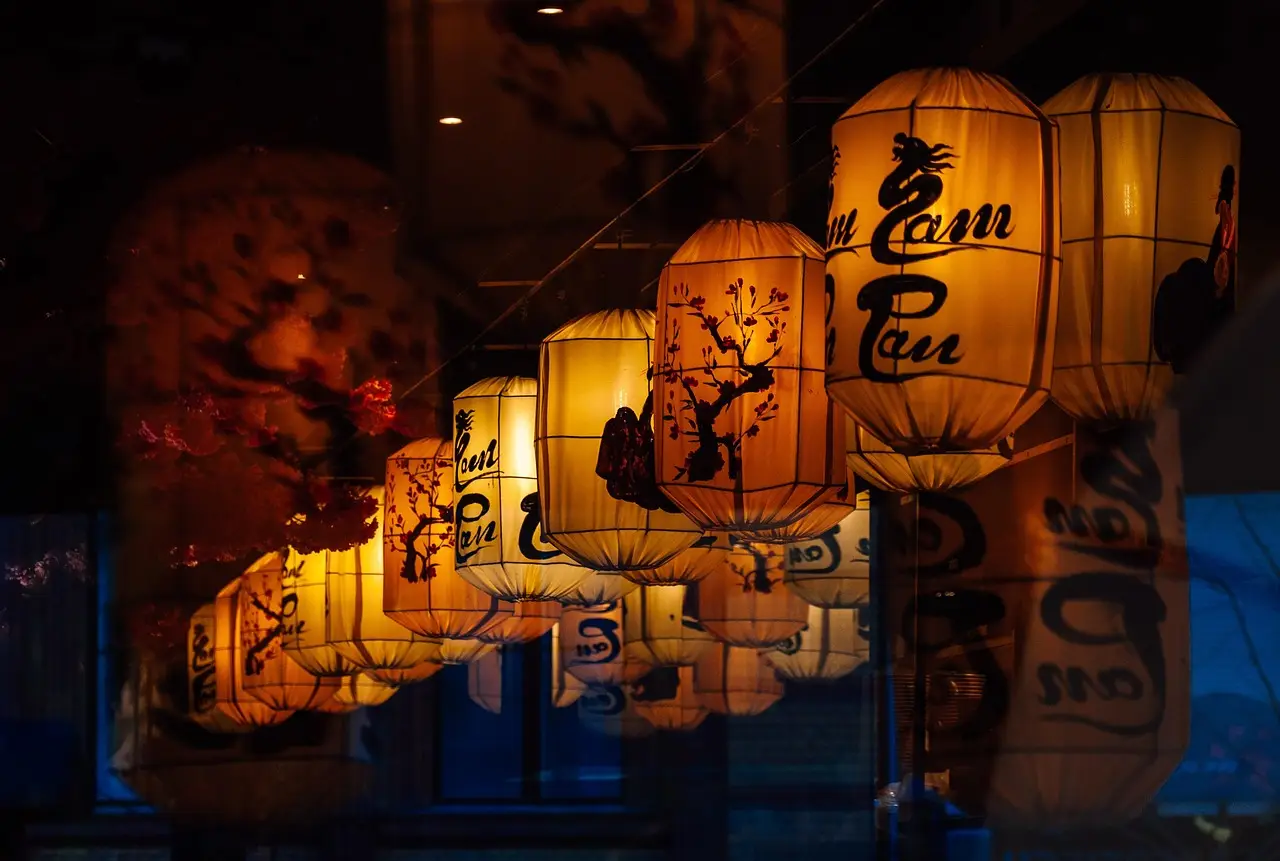
Chiang Mai International Airport has cancelled 108 flights and rescheduled 80 for Nov. 21–28, 2026. The changes cover the Yi Peng and Loy Krathong festivals on Nov. 24 and 25.
More than 200,000 sky lanterns and smoke lanterns are expected within the airport's aviation safety zone. That is a forecast, not a count of lanterns already released.
Airport authorities warned that lanterns "can drift into aircraft flight paths and potentially interfere with aircraft engines and other aviation operations." They have asked airlines to avoid operating during designated lantern-release periods.
The airport normally operates for about 20 hours a day; the festival period will reduce that to around 12 hours on affected days. It expects about 210 flights a day during the festival, with 232 possible on busier days.
Why are flights being cancelled?
Paper lanterns rise through flame-powered heat, and wind then controls their drift, making their route unpredictable once released over a busy airport at night. They cannot be steered after release. They can reach runways, landing paths and restricted areas. The danger extends beyond visual obstruction to engines and other sensitive aircraft systems.
Airport authorities have issued notices to pilots and increased monitoring of airport areas for lanterns and other foreign objects. Designated red zones along take-off and landing paths are strictly off-limits for releases. The restrictions address a real hazard, but they do not eliminate the wind-driven uncertainty that makes encounters with aircraft possible during the scheduled night releases.
By Oct. 30, airlines had adjusted their schedules for Nov. 21–28. The announcement provides totals, not an itemized list of affected services. A cancellation removes capacity; a reschedule shifts it. Both can disrupt onward connections at festival demand.
What changes for passengers?
Passengers should treat the timetable as provisional. Airlines may revise departures again, depending on operational requirements.
Concentrated flight windows could lengthen queues at check-in counters, baggage screening and security checkpoints. The airport advises:
- Confirm departure and arrival times directly with the airline before leaving for the airport.
- Arrive at least two hours before domestic flights and three hours before international departures.
- Allow extra time for check-in, baggage screening and security.
- Use online check-in, self-service kiosks and automated baggage-drop facilities wherever available.
- Plan transfers in advance. The airport coordinates additional airport limousine, metered taxi, shuttle bus and RTC city bus services. Ride-hailing services and car-rental operators are preparing for increased passenger demand.
How does the festival continue?
Yi Peng is closely associated with Chiang Mai and the Lanna traditions of northern Thailand. Participants release thousands of illuminated paper lanterns called khom loi.
The festival coincides with Loy Krathong, when people place small decorated floats called krathongs on rivers and other water bodies. Yi Peng is most prominent in the north, while Loy Krathong is celebrated across the country.
Both events draw visitors from around the world for illuminated skies, cultural performances and a festive atmosphere. The lantern release also carries Buddhist meaning. It represents letting go of misfortune, negativity and past troubles while welcoming good fortune and new beginnings.
Red-zone exclusions keep releases away from take-off and landing paths. The celebration continues elsewhere within the aviation safety zone. The red-zone exclusions preserve the celebration outside the runway environment, while concentrating the operational cost in fewer, busier hours for carriers and passengers alike during the festival.
What remains unverified?
The airport expects about 210 flights a day during the festival, with 232 possible on busier days. The airport normally operates for about 20 hours a day. Festival restrictions cut the daily window to around 12 hours on affected days. The forecast therefore depends on concentrating more movements into less time.
The announcement does not itemize the restricted periods, affected flights or participating airlines. It provides no dispatch-reliability figures against which to test the forecast. It also gives no explanation for how the airport will absorb delays while reaching 210 movements each day. That makes the daily totals a plan, not a guarantee.
Passengers need a carrier-specific answer. The airport and airlines must now absorb revised schedules, compressed processing and festival traffic between Nov. 21 and 28. The practical test is not the lantern count; it is whether flights still depart on time.
via Google News: Aviation safety (Source)
More from James Calloway
Show full bio
Staff writer covering people, launches and day-to-day practice in Commercial aviation industry coverage at Flightdeck Report.
583 articles
Same bay
- FDR623Smoke Halts Flights at Manokwari as Safety Takes Priority · October 14, 2026
- FDR504Beijing Imposes 600km Airspace Restrictions · October 20, 2026
- FDR156XGBoost Model Predicts Airport Construction Risk at 92.7% Accuracy · September 30, 2026
- FDR586Cambodia air passenger traffic falls 11% · October 20, 2026
- FDR711Pokhara International Airport Bans Kites, Drones, Balloons and Lasers Near Airspace · October 10, 2026