Clearance CLR-8186 · AIR393
AIRAIR
AirportsClearance sheet
Airport Biometric Use Reaches 58% as Satisfaction Hits Record: IATA
IATA's 2026 Global Passenger Survey shows biometric use at 58%, satisfaction at a record 87%, but 59% of passengers still fear data breaches as digital ID expands.
Read-back
- 58% of passengers used biometrics in their airport journey over 12 months, up from 50% in 2025 and 34% in 2022
- 87% of biometric users reported satisfaction, a record high versus 86% a year earlier
- 78% would share biometric data to avoid repeated document checks; 75% of those prefer one-time advance registration
- 59% cited data breaches as a concern; 49% worried about data shared with other organizations
- 43% said immigration requirements discouraged a trip, up from 33% in 2025
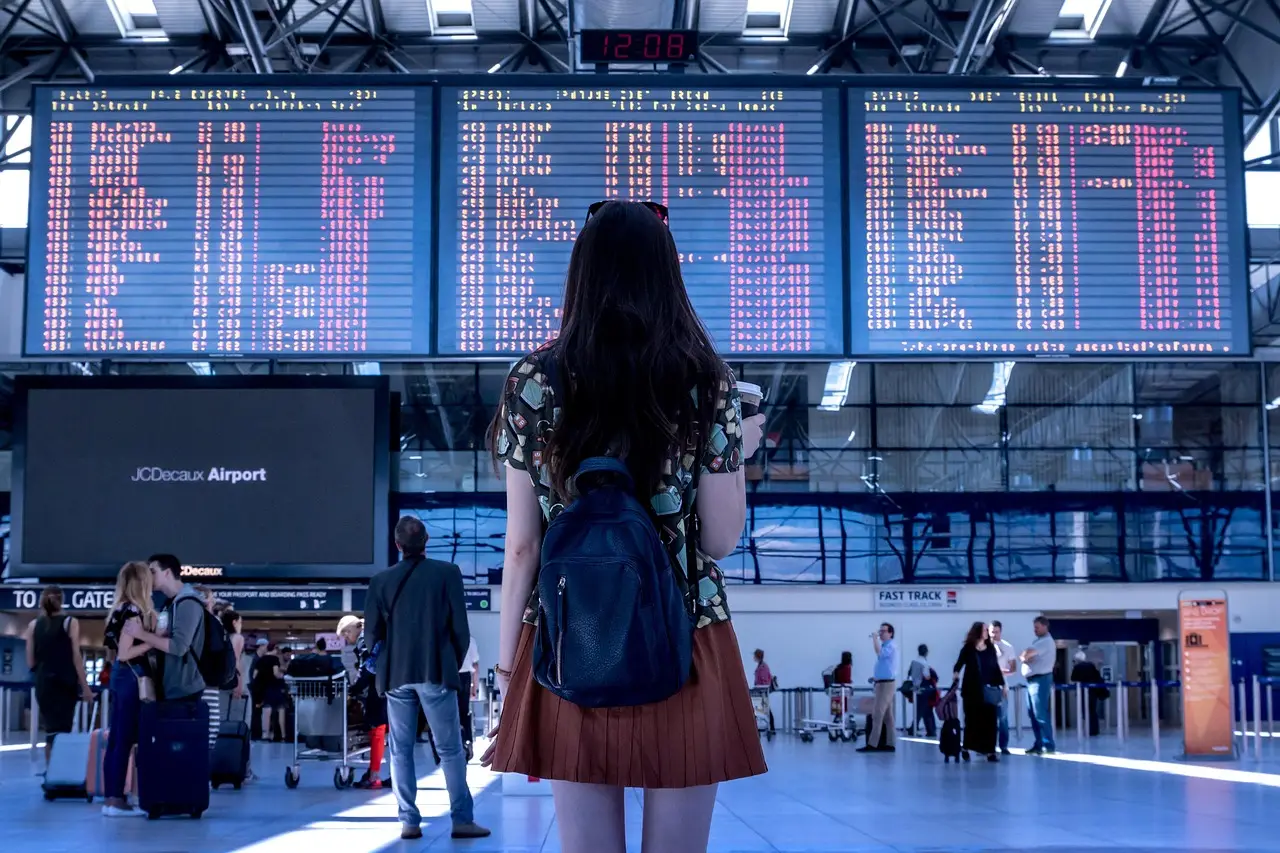
Fifty-eight percent of passengers encountered biometric identification somewhere in their airport journey over the past 12 months, according to IATA's 2026 Global Passenger Survey — up from 50% in 2025 and 34% in 2022. Among those who used the technology, 87% reported satisfaction with the experience, a record high that edges past last year's 86%.
The survey drew responses from more than 10,000 travellers across over 200 countries, making it one of the broadest annual measures of passenger attitudes toward airport technology. Its findings carry weight for airlines, airports and border authorities weighing investment in facial recognition (automated identity verification using physical characteristics) and digital travel credentials.
What does the survey change for airports and airlines?
The data points to clear appetite for enrollment-based models. Seventy-eight percent of respondents said they would share biometric information in exchange for not repeatedly presenting passports or boarding passes at checkpoints. Within that group, 75% preferred registering once in advance and being recognized automatically for the rest of their journey.
The pattern favors a single-enrollment architecture — a passenger registers biometric data before travel, then passes through bag drop, security and boarding without presenting documents again. Airports that have deployed touchless corridors on this basis, rather than point-solution scanners at individual checkpoints, align with what passengers say they want.
Interest extends beyond the terminal. Eighty-four percent of respondents expressed interest in using digital passports (electronic versions of passport credentials stored on a device) for online check-in. That figure suggests demand for digital identity is not confined to physical airport processing but reaches into the pre-travel stage handled by airline apps and websites.
Where is uptake strongest, and where are the concerns?
North America leads the world in biometric usage at 63% of passengers, the survey found. But the region also recorded the strongest concerns about data breaches, an uncomfortable pairing for US carriers and the Transportation Security Administration as they expand facial recognition across more checkpoints.
Privacy worries are widespread and specific. Fifty-nine percent of passengers cited potential data breaches as a concern. Forty-nine percent expressed unease about their information being shared with other organizations — a direct challenge to the multi-party data flows that biometric processing requires between airlines, airports, government agencies and technology vendors.
The message for program designers is that adoption and anxiety are rising simultaneously. Satisfaction numbers show passengers who use biometrics like them; breach fears show the same passengers do not fully trust the systems behind them.
AI and immigration friction
The survey captured two additional behavioural shifts. Forty-nine percent of travellers said they have used artificial intelligence to plan trips, a marker of how quickly AI tools have moved into itinerary planning and booking behaviour.
Immigration requirements are now measurably shaping route demand. Forty-three percent of respondents said immigration requirements had discouraged them from visiting a destination, up sharply from 33% in 2025. For destinations dependent on inbound leisure traffic, visa complexity carries a quantifiable cost in lost visitors.
The industry read
IATA said the findings highlight opportunities for airports, airlines and governments to streamline passenger processing through secure digital identification and more consistent travel documentation standards. The survey effectively provides the demand-side case for the One ID initiative, IATA's framework for digital identity in air travel, at a moment when regulators in several regions are still drafting rules on biometric data retention and consent.
The tension the industry must resolve is visible in the numbers themselves: 87% satisfaction among users, against 59% worried about breaches. Operators that pair biometric rollout with transparent data governance — clear retention limits, opt-out alternatives and limits on third-party sharing — are best positioned to convert stated willingness into sustained enrollment. With usage up 24 percentage points in four years, the direction of travel is settled; the pace now depends on whether trust keeps up.
via Aviation Pros (Source)
More from Priya Raman
Show full bio
Market editor covering money, funding and market shifts around Commercial aviation industry coverage at Flightdeck Report.
615 articles
Same bay
- FDR254IATA and ACI Europe Lead Coalition Defending Voluntary Biometrics in EU Digital Omnibus · October 1, 2026
- FDR390DFW Lifts All Six Skylink Modules Into Place for Terminal F · November 4, 2026
- FDR568Calgary Becomes First Canadian Airport to Run AI Turnaround Tracking on Cargo Apron · November 4, 2026
- FDR705Vietnam's central airports add runways, stands and terminal capacity · November 4, 2026
- FDR645Menzies secures Western Sydney handling contract before SIA launch · November 4, 2026