Clearance CLR-6142 · AIR241
AIRCHI
Airspace & RegulationClearance sheet
Chile's DGAC buys drone detectors as oversight questions mount
Chile's DGAC bought two portable drone detectors for CLP 19.29 million and ran a joint inspection with police at Tobalaba. Whether the enforcement machinery works is undocumented.
Read-back
- CLP 19.29 million contract awarded to UAV LATAM Chile SpA in July 2025 for two portable RPAS/UAS detection systems
- Tender ID 1602-15-LE25 required systems able to detect and analyse signals from a range of drone models and locate the operator
- Joint DGAC and Policía de Investigaciones de Chile inspection exercise at Eulogio Sánchez aerodrome (Tobalaba) on 14 August 2026
- Draft fourth edition of DAN 151 published for public comment in April 2026 and not yet adopted
- DGAC said further inspections with the PDI and other state bodies were planned at aerodromes for the second half of 2026
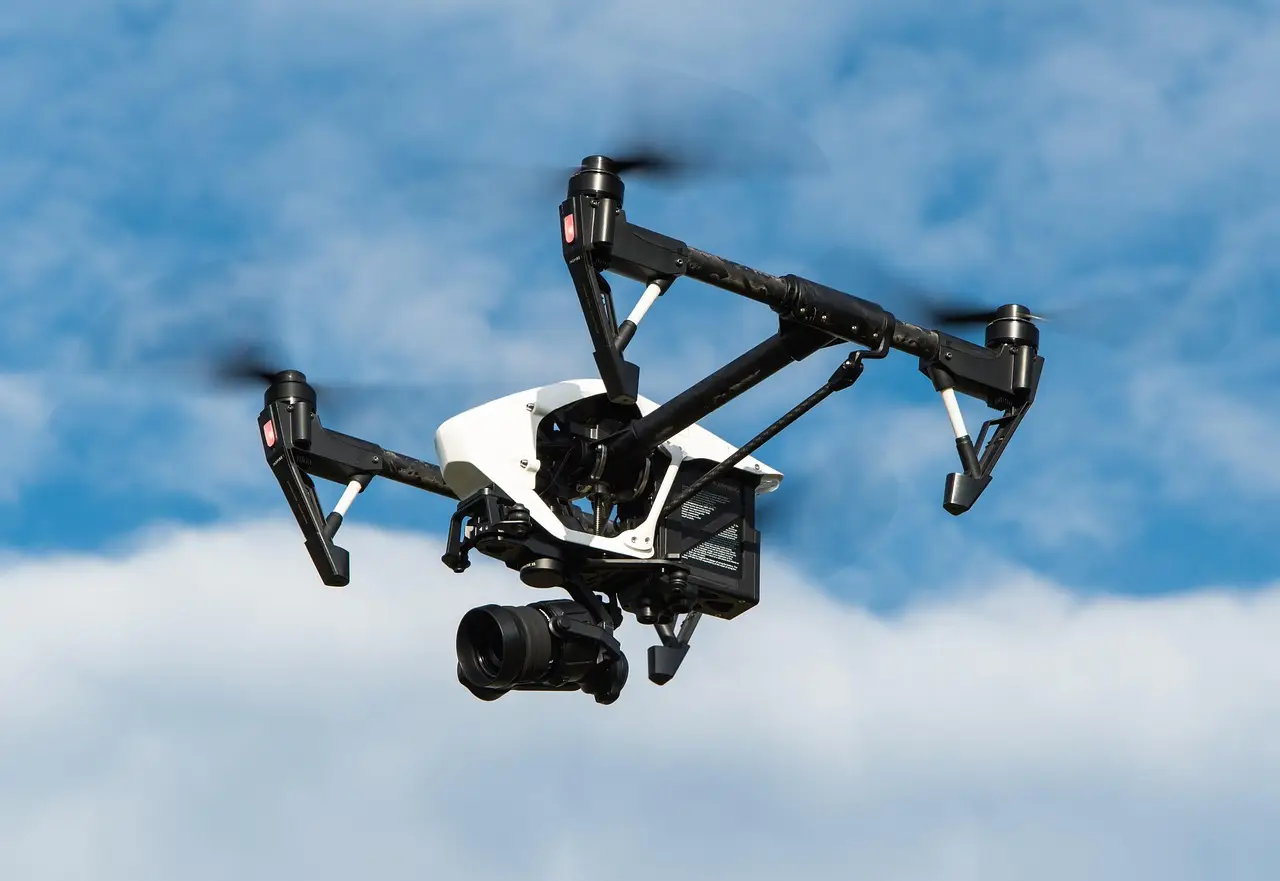
Chile's civil aviation authority paid CLP 19.29 million in July 2025 for two portable drone detection systems, and by August 2026 had run a joint inspection exercise with the national police at Tobalaba aerodrome in Santiago.
That is the measurable part of Chile's drone enforcement effort: a purchase order and a written procedure. Neither tells you how often the detectors run, what they pick up, or what inspectors concluded afterwards.
What does Chile's drone rulebook require?
Chile's rules sit in four Chilean Aeronautical Standards (DAN), and the applicable standard changes with the operation:
- DAN 91 — general rules of the air
- DAN 151 — remotely piloted aircraft system (RPAS) operations over populated areas
- DAN 119 — air operator certification
- DAN 137 — aerial work involving RPAS
Requirements vary with whether a flight takes place over a populated area and whether it constitutes commercial aerial work. Operators may need aircraft registration, pilot credentials, operational authorisation and, where relevant, an Air Operator Certificate. One exception under DAN 91 lets certain lightweight aircraft made from expanded polystyrene or an equivalent material operate in private areas without DGAC authorisation, subject to specified weight, height and other conditions. The DGAC's own drone regulation pages were last updated on 29 October 2026.
What did the detector contract actually buy?
Tender ID 1602-15-LE25 on the Chilean Public Procurement Platform (Mercado Público) went to UAV LATAM Chile SpA in July 2025 for two portable RPAS/UAS detection systems. The tender specified equipment capable of detecting and analysing signals from a range of drone models and of locating the operator. The systems were intended for use by operational safety inspectors conducting inspections.
Read narrowly, this buys two tools in the field, not a surveillance network. No published figure exists for inspection hours, detection rates or confirmed infringements, and an award of a contract does not by itself establish how frequently the systems are used or what results they have produced. What it does buy is oversight reach beyond the administrative requirements that bind individual operators and aircraft, across different operating environments.
What did the Tobalaba exercise test?
On 14 August 2026 the DGAC and the Policía de Investigaciones de Chile (PDI) conducted a joint inspection exercise at Eulogio Sánchez aerodrome, also known as Tobalaba, in the Santiago area. The activity followed an inter-institutional cooperation agreement signed in May, which established mechanisms for information-sharing and coordination intended to strengthen oversight across Chile's national airport system.
The division of labour was straightforward. The DGAC checked flight crews and aviation operations within its remit, while the PDI carried out checks under its own legal responsibilities. The DGAC said in August that further inspections involving the PDI and other state bodies were planned at aerodromes for the second half of 2026.
That last line is the one to watch. It commits inspectors to a schedule rather than a response capability, and the Tobalaba exercise should not be taken as evidence of a specific increase in drone-related enforcement; its significance lies in the coordination arrangements and the potential to bring different institutional capabilities together.
Is the DAN 151 rewrite ready?
No. In April 2026 the DGAC published a draft fourth edition of DAN 151 for public comment. The proposal would broaden the standard's scope and revise several requirements, and it has not been adopted.
A consultation is not a rule change. Until the fourth edition appears in final form, operators should plan against the current standard, and the open question is how far the broadened scope will add to authorisation and certification obligations for commercial work over populated areas.
What does this change for an operator?
Nothing immediate in certification terms. There is no new certificate milestone here, no grounding of a fleet and no flight prohibition. What changes is exposure: an operator's paperwork now sits alongside a detector that can find an aircraft and its operator, and alongside a police body with a formal route for sharing information with the regulator.
Three items belong on the practical checklist. Registration, pilot credentials, operational authorisation and, where the operation qualifies, an Air Operator Certificate remain the operative requirements under the current standards. The DAN 151 fourth edition consultation is the item to track, because it would reshape the scope of RPAS work over populated areas. And inspection activity at aerodromes in the second half of 2026 is the item to expect, since the DGAC has said it will continue alongside the PDI and other state bodies.
Brazil is rewriting its own drone rules while Chile adds enforcement capability. Both reflect the same relationship between two things: the framework is only as good as the authority's ability to identify non-compliance and respond to it.
Whether Chile's approach amounts to real oversight depends on how often the two portable systems are deployed, what the coordinated inspections produce, and whether the DAN 151 rewrite survives the consultation with adequate resources behind it.
via unmannedairspace.info (Source)
More from James Calloway
Show full bio
Staff writer covering people, launches and day-to-day practice in Commercial aviation industry coverage at Flightdeck Report.
675 articles
Same bay
- FDR602AIDC Runs Counter-Drone Drill to Extend Infrastructure Airspace Cover · September 30, 2026
- FDR920Brazil Drone Rules Under Rewrite, Tracking Remains Thin · October 16, 2026
- FDR922Málaga hosts VERT-IGO airspace integration trials for eVTOLs and cargo drones · October 19, 2026
- FDR722US Imposes Drone Flight Restrictions Along Southern Border · October 19, 2026
- FDR116FAA Streamlines Clearance for Police Drones Near Airports · October 11, 2026