Clearance CLR-3782 · AIR927
AIRUKA
Airspace & RegulationClearance sheet
UK Air Passenger Duty Rises Again: Band B Premium Hits £251.95 in 2027
APD rises with inflation on 1 April 2027 and 2028. Band B premium seats pay £251.95; a family of four to Florida in premium economy pays £1,007.80.
Read-back
- APD rates rise with inflation on 1 April 2027 and again on 1 April 2028, confirmed in the 28 October Budget.
- From April 2027, Band B premium-cabin duty is £251.95; Band C private-jet duty is £1,178.20 per passenger.
- APD raised £4.195 billion for the Treasury in 2024-25, per the Business Travel Association.
- Children under 16 pay no APD in the lowest class; a family of four to Florida in premium economy pays £1,007.80.
- From 2027 rates are no longer rounded to the nearest pound, producing figures such as £15.49.
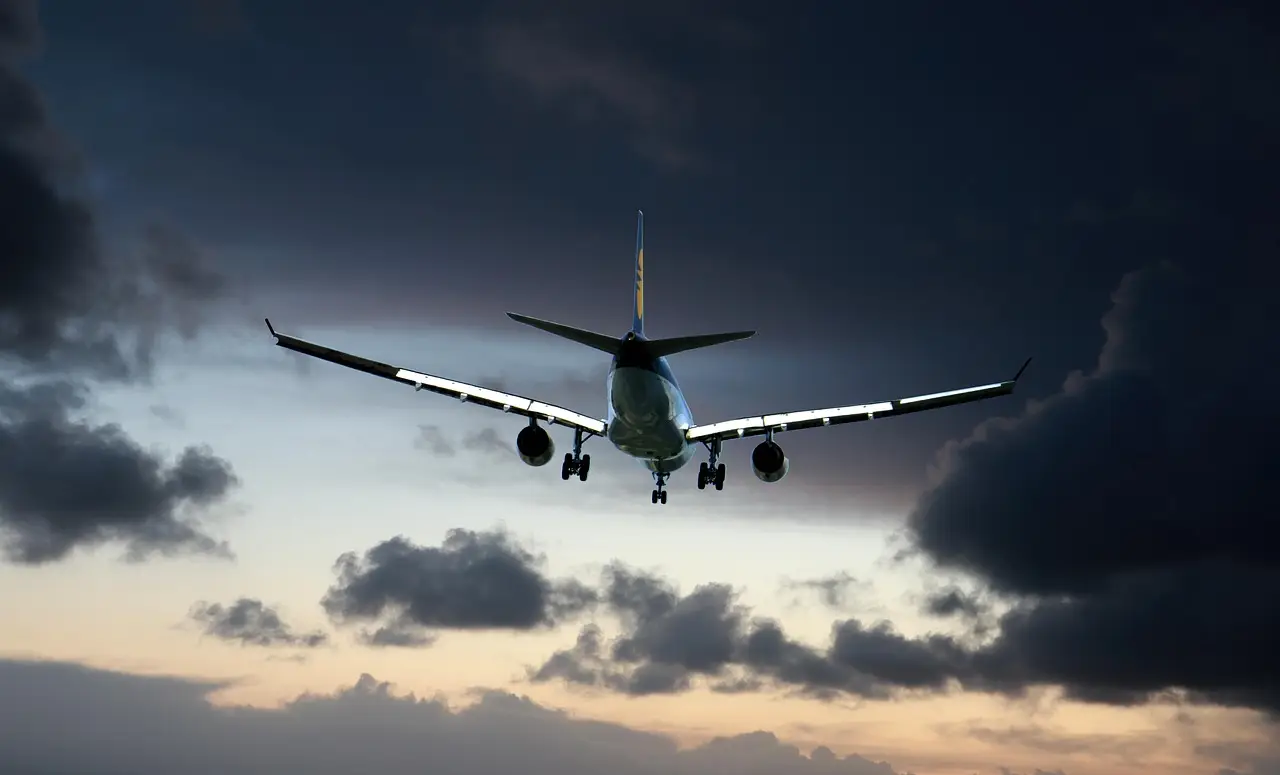
Air Passenger Duty raised £4.195 billion for the Treasury in 2024-25, and the 28 October Budget has locked that figure into an upward path. Rates rise with inflation on 1 April 2027 and again on 1 April 2028. From 2027, the rounding to the nearest pound disappears, so passengers will pay figures such as £15.49 rather than a clean £15.
The duty applies per passenger on departure from any UK airport. It is not charged on the inbound leg. A return trip pays it once.
How the bands and rates work
Two variables set the bill. The first is distance, measured from London to the capital of the destination country:
- Band A — up to 2,000 miles, covering most of Europe.
- Band B — 2,001 to 5,500 miles, including the United States, the Caribbean and the Gulf.
- Band C — anything further.
The second variable is cabin. The reduced rate applies to the lowest class on the aircraft. The standard rate, roughly two to two and a half times higher, hits premium economy, business and first. A separate higher rate applies to private jets.
What passengers pay from April 2027
Deloitte's Budget analysis puts the economy rates at £8.26 domestic, £15.49 Band A, £105.33 Band B and £109.46 Band C. Premium cabins pay more. The standard rate is £16.52 domestic, £33.04 Band A, £251.95 Band B and £261.25 Band C. A business class seat to New York carries almost £252 of UK tax before the airline adds anything.
The 2028 step follows the same formula. Band B costs £108.60 in economy and £259.77 in premium cabins, per Deloitte's Budget 2026 summary. The government has committed to nothing beyond indexation. It has promised no ceiling either.
Private aviation faces the sharpest edge. From April 2027 the higher rate extends to all private jets weighing 5.7 tonnes or more. A Band C private flight carries £1,178.20 per passenger in 2027 and £1,214.78 in 2028.
Why premium seats pay double
The government's stated case rests on emissions. Passengers who occupy more floor space account for a larger share of the aircraft's output, so they bear a larger charge. Deloitte says the structure fits the government's environmental aims, because the highest-emission journeys attract the highest rates. That is an argument, not evidence of behavioural change. The Treasury has published no modelling showing the tax shifting demand toward lower-emission itineraries.
What does the family exemption change?
One relief remains intact. Children under 16 pay no duty when travelling in the lowest class, under GOV.UK guidance. The arithmetic is stark. A family of two adults and two children flying economy to Florida in 2027 pays £210.66 — the adults only. Upgrade the same family to premium economy and the exemption dies; the bill rises to £1,007.80.
Connecting passengers also benefit. A connection within 24 hours generally counts as one journey, so a transfer through a UK airport on a single booking pays the duty once, not twice.
The industry's response
Airlines and airports have opposed every recent increase, and their arguments have not stopped one. When the 2027 rates were announced, Airports UK called the plan short sighted and warned passengers would feel it in their pockets, Travel Weekly reported. Clive Wratten of the Business Travel Association called the duty "a tax on global connectivity." The quote is sharp. The levy's £4.195 billion yield suggests the political incentive points the other way, and with rates now tied to inflation, that figure rises as long as passenger numbers hold.
Booking tactics, and their limits
The tax is already inside the displayed fare, so early booking saves nothing. The rate is set by the date of departure, not the date of booking. A flight departing on or after 1 April 2027 pays the new rate regardless of when the ticket was bought.
Some legal workarounds exist. Fly economy when children travel — that is the simplest and largest saving. Some travellers book a separate short-haul ticket to a European hub and start the long-haul journey there, paying only the Band A rate in the UK. The trade-off is real: a missed connection on separate tickets voids the protection a single booking carries. Direct long-haul flights from Northern Ireland are also treated differently, although few such routes operate, which limits the option to a narrow set of travellers.
The bottom line
For most economy passengers the 2027 increase is marginal: about 49p more on a short-haul flight. The real cost sits in premium cabins and long-haul routes, where Britain's departure tax runs to hundreds of pounds per seat. Every lever the Budget pulled points upward — indexation in 2027, indexation in 2028, and the extension of the higher rate to heavier private jets. Unless the government changes course, Air Passenger Duty will only move one way, and the cheapest seat on the aircraft remains the only structural saving available to families.
via theaviationhub.co.uk (Source)
More from James Calloway
Show full bio
Staff writer covering people, launches and day-to-day practice in Commercial aviation industry coverage at Flightdeck Report.
675 articles
Same bay
- FDR530Airfreight rates climb 31% on Hong Kong–US lane into Q4 peak · October 10, 2026
- FDR534Heathrow's £49 Billion Third Runway: Passengers Pay the Bill · November 17, 2026
- FDR235Logistics UK urges fuel-duty freeze to protect £87bn cargo contribution · November 4, 2026
- FDR494UK Airport Drop-Off Fees Hit £10 as Government Agrees to Review · November 17, 2026
- FDR111Ancillary Revenue Grows 13.4% as Airlines Reshape the Fare · October 2, 2026