Clearance CLR-7909 · SUS530
SUSCHI
SustainabilityClearance sheet
China Commits $178 Million to Sustainable Aviation Fuel Plant
A $178 million sustainable aviation fuel plant will launch in China, per 1News.az, modest against the multi-billion-dollar refinery complexes state-owned peers have pursued. The dispatch carries no operator, site, or capacity figures.
Read-back
- China will launch a $178 million sustainable aviation fuel plant, according to a report carried by 1News.az
- Major SAF complexes disclosed elsewhere in Asia have carried price tags between roughly $1 billion and $2.5 billion
- China ranks as the world's second-largest aviation market by passenger volume
- The Civil Aviation Administration of China requires carriers to source at least 5% of jet fuel from sustainable pathways by 2030
- SAF trades at a one-to-four-times premium over conventional Jet A-1, depending on pathway and feedstock
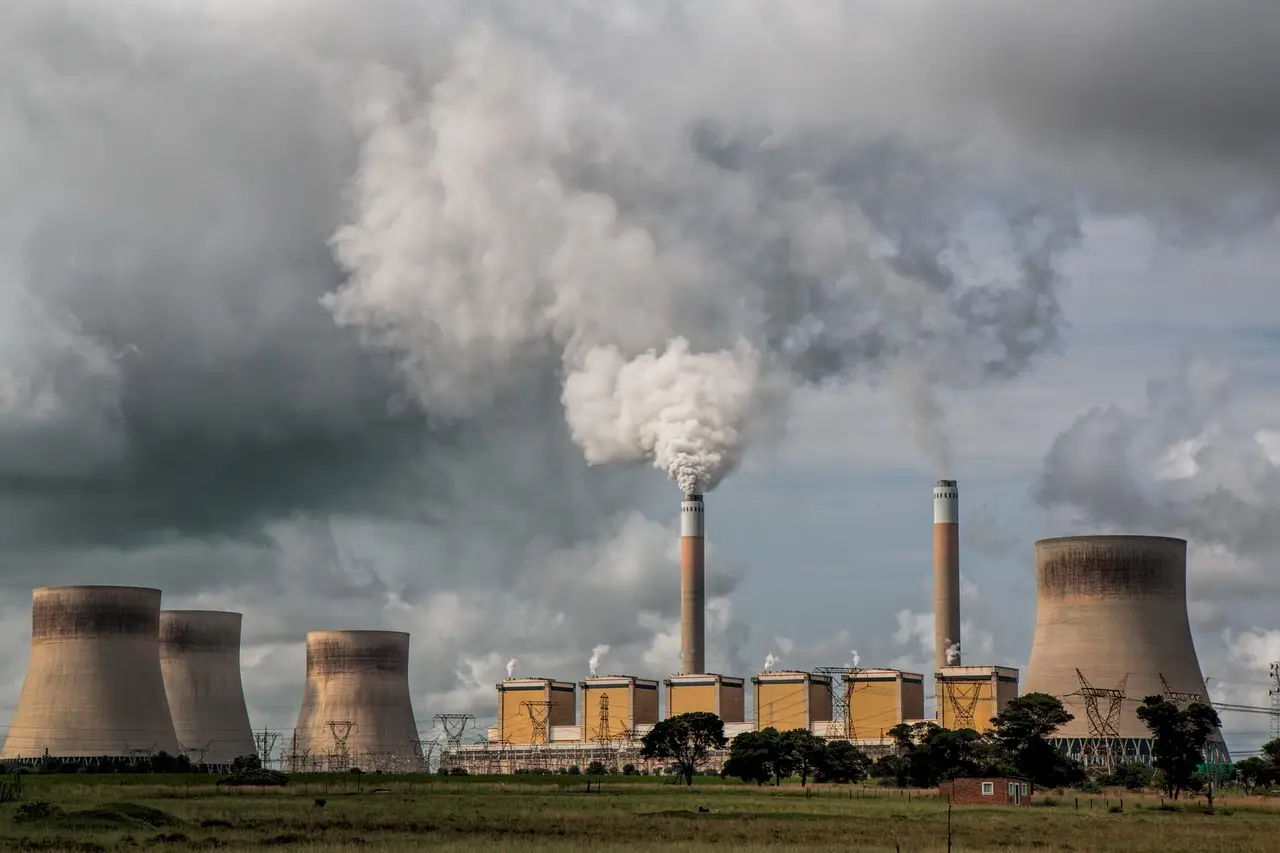
A $178 million sustainable aviation fuel plant is set to launch in China, according to a brief report from 1News.az. The investment, modest against the multi-billion-dollar refinery complexes that state-owned peers such as Sinopec have pursued in prior disclosures, signals either a pilot facility or an early-phase build designed to expand as policy support firms.
The dispatch carries no specifics on site, developer, annual capacity, or commissioning date. Those omissions matter, because SAF economics hinge on feedstock selection, offtake contracts with carriers, and pathway certification under ASTM standards. A number without those pegs reads as a directional headline more than an investment thesis.
What does the $178 million buy in SAF terms?
In practice, a project of that scale aligns more closely with a demonstration plant than a national-scale refiner. Major SAF complexes disclosed elsewhere in Asia have carried price tags between roughly $1 billion and $2.5 billion, with nameplate output measured in the hundreds of thousands of tonnes per year. The Chinese project, if sized to the spend reported, would produce a fraction of that volume, likely a few tens of thousands of tonnes annually. That is enough to supply blending at several hub airports without shifting national supply in any meaningful way. The lower capex also keeps the project below the threshold at which state environmental review and multi-agency coordination become binding constraints, which is itself a useful design choice for a first-mover.
Why does China keep announcing SAF plants?
China ranks as the world's second-largest aviation market by passenger volume, a position that pushed the Civil Aviation Administration of China to formalize a 2030 mandate obliging carriers to source at least 5% of jet fuel from sustainable pathways by the end of the decade. The rule has triggered a cascade of capacity announcements across chemical, refining, and agricultural processing sectors since 2021, with state procurement channels and tax credits designed to close a stubborn price gap. SAF, depending on pathway and feedstock, trades at a one-to-four-times premium over conventional Jet A-1, an economics problem that no announced plant has solved at scale. Beijing has so far preferred policy support over direct subsidy, leaving project developers to test commercial viability on their own balance sheets.
What should carriers and lessors watch next?
For airlines, added SAF capacity means more optionality on offtake contracts once fuel clears both certification and pricing benchmarks. Carriers including Air China, China Eastern, and China Southern have each signed memoranda of understanding with prospective SAF producers over the past three years, signalling appetite even when the product does not yet exist. For lessors and original equipment manufacturers, the connection is more oblique, though fuel-supply constraints have begun to feature in long-term route planning and fleet renewal dialogues. Routes flagged for early SAF deployment, including several long-haul corridors out of Beijing, Shanghai, and Chengdu, will be the first to feel any uplift from new domestic supply, with cargo operators a close second given their higher fuel-burn per available tonne-kilometre.
The next test for the $178 million project will be disclosure: a confirmed site, a partner offtake, a feedstock pathway, a nameplate capacity in tonnes per year, and a first-commercial-volume date. Until then, the announcement marks direction rather than capacity, and the gap between mandate and molecule remains the metric that matters.
By Grace Kim
via Google News: Sustainable aviation fuel (Source)
More from Grace Kim
Show full bio
News editor covering companies, deals and strategy in Commercial aviation industry coverage at Flightdeck Report.
491 articles
Same bay
- FDR706Chinese researchers claim cost breakthrough in sustainable aviation fuel · October 9, 2026
- FDR547$3 Billion Backs Tropical Fruit Jet Fuel Project, Bloomberg Reports · October 10, 2026
- FDR602LanzaJet secures $20M to scale sustainable aviation fuel output · October 16, 2026
- FDR481Sustainable Aviation Fuel Market Forecast to Hit $43.75 Billion by 2034 · September 30, 2026
- FDR432CEPU Chief Puts Sustainable Aviation Fuel at Center of China Debate · September 27, 2026