Clearance CLR-7157 · SUS602
SUSLAN
SustainabilityClearance sheet
LanzaJet secures $20M to scale sustainable aviation fuel output
LanzaJet has secured $20 million in new financing to scale its sustainable aviation fuel production, a move that lands as airline SAF demand continues to outpace contracted supply.
Read-back
- LanzaJet has secured $20 million in fresh financing to scale its sustainable aviation fuel production.
- The capital raise was reported by ESG Today.
- SAF currently accounts for a single-digit percentage of global jet fuel consumption.
- SAF has historically traded at a steep premium to conventional Jet A, often several times the per-gallon price.
- The $20 million will fund further scaling of LanzaJet's production platform, including work toward modular plant designs.
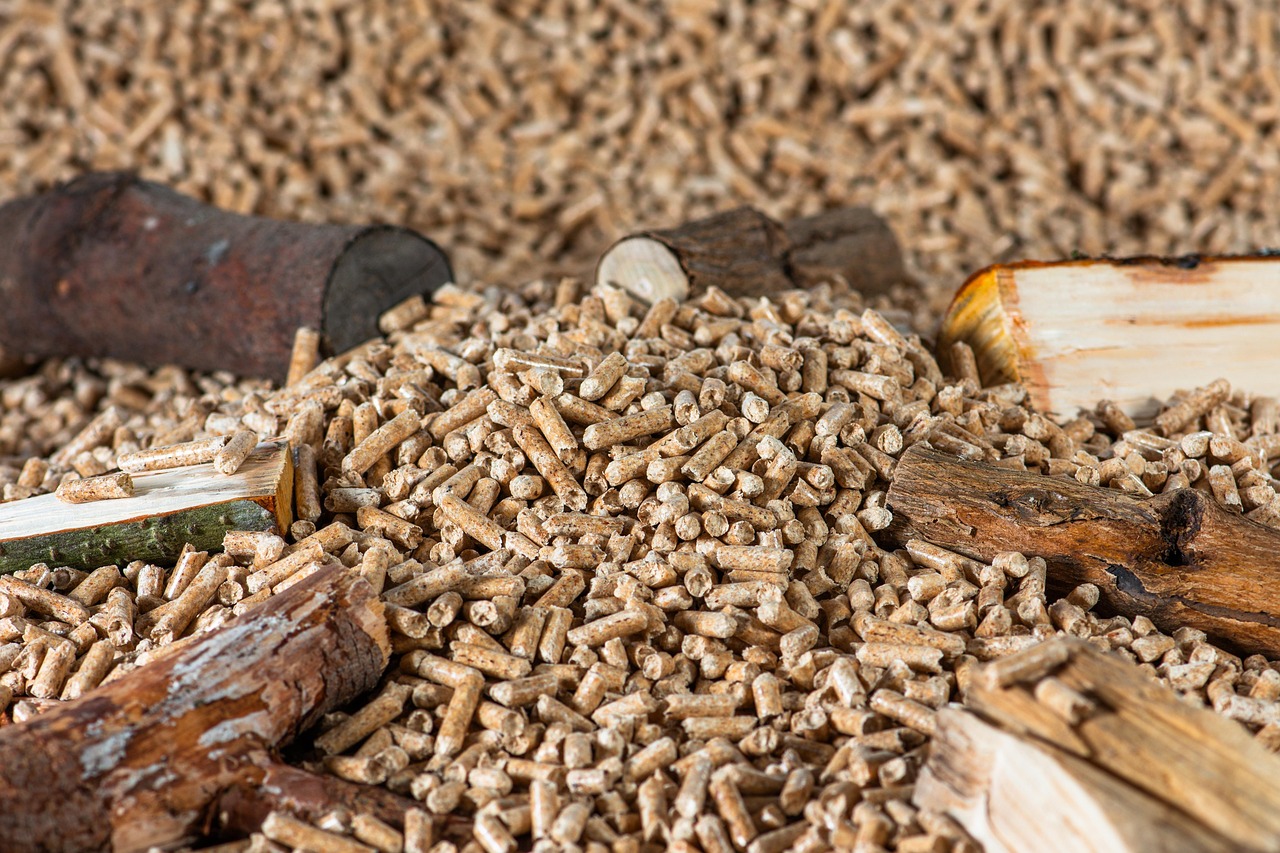
LanzaJet has secured $20 million in fresh financing to scale its sustainable aviation fuel (SAF) production, according to a report from ESG Today.
The capital raise lands as airlines, fuel buyers and regulators press producers to convert demonstration-scale output into commercial supply. SAF currently accounts for a single-digit sliver of global jet fuel consumption, and contracted volumes have lagged policy-driven demand signals for years.
What does the financing cover?
The $20 million will fund further scaling of LanzaJet's production platform, the company said in its announcement. Producers in this space have generally framed their roadmaps around modular plant designs sited near existing fuel infrastructure and feedstock supply — a strategy that pushes unit economics down through higher throughput rather than through breakthroughs in feedstock chemistry.
LanzaJet sits among a small cohort of operators running first-of-a-kind facilities that turn non-fossil feedstocks into jet fuel certified under ASTM specifications for blending with conventional kerosene.
Why unit cost still binds
That framing matters because SAF has historically traded at a steep premium to conventional Jet A, often running several times the per-gallon price. Offtake agreements have tended to be short, conditional on policy continuity, and concentrated among carriers with public decarbonization commitments.
Capital infusions at the producer level feed directly into the supply curve. But converting cash into commercial-scale output typically runs in years rather than quarters, which is why airlines have increasingly moved upstream — funding producer development directly through prepayments and equity stakes to secure offtake priority.
What policy is doing to demand
The news arrives against a tightening regulatory backdrop. The European Union's ReFuelEU Aviation regulation sets a phased blending obligation that starts low this decade and climbs toward mid-century. The United Kingdom has outlined a parallel trajectory under its Jet Zero strategy. Both regimes increase demand-side pull on producers, but supply has consistently lagged mandates by a wide margin.
For U.S. carriers, domestic SAF production carries additional strategic value. Federal tax credits tied to lifecycle emissions reductions — most prominently the SAF blender's credit — create a price floor that narrows the gap with conventional Jet A and make U.S.-produced fuel more competitive in offtake negotiations.
The credits, in particular, have reshaped deal economics by tying federal support to verified lifecycle emissions performance rather than feedstock type alone, nudging producers toward lower-carbon pathways.
What to watch next
The $20 million tranche extends LanzaJet's scale-up runway, but the company's commercial trajectory will hinge on whether the capital translates into additional nameplate capacity, longer offtake contracts, and feedstock supply security. Each of those milestones typically moves at its own pace.
For an industry targeting net-zero carbon emissions by 2050, SAF remains the most operationally credible near-term lever for cutting lifecycle emissions without redesigning aircraft or swapping out engines. Each financing round at a producer moves that supply picture, however incrementally.
LanzaJet's next production milestones — nameplate updates, new offtake announcements, and whether the modular plant design reaches a second site — will tell airlines whether the $20 million moved the supply curve in any measurable way.
via Google News: Sustainable aviation fuel (Source)
More from Nathan Brooks
Show full bio
Correspondent covering technology and product news in Commercial aviation industry coverage at Flightdeck Report.
493 articles
Same bay
- FDR618European SAF Supply Reaches 2.8% of Aviation Fuel · September 30, 2026
- FDR614$1.4B Sustainable Aviation Fuel Plant Planned for Louisiana · September 28, 2026
- FDR704Oil Crisis Could Hand Struggling SAF Sector a Lift · October 10, 2026
- FDR578Sustainable Aviation Fuel Remains Scarce and Costly · October 2, 2026
- FDR481Sustainable Aviation Fuel Market Forecast to Hit $43.75 Billion by 2034 · September 30, 2026