Clearance CLR-2872 · AIR873
AIRCSG
Airspace & RegulationClearance sheet
CSG targets 2027 deployment of Czech U-space coordination system
CSG has delivered CIS+ to Czech air navigation services for certification and planned 2027 deployment, covering drone tracking, authorisations, restrictions and weather data exchange.
Read-back
- CIS+ has been delivered to ANS CR and now faces operational implementation and certification.
- Full deployment is expected in the second half of 2027.
- UpVision developed CIS+ on the MAIA platform within CSG's Aerospace & Defence Electronics subdivision.
- CIS+ covers real-time drone tracking, flight authorisations, restrictions, deviations, weather data and provider availability.
- MAIA draws on three European projects: CERTIFLIGHT, U-space4UAM and ATM-EXCITE.
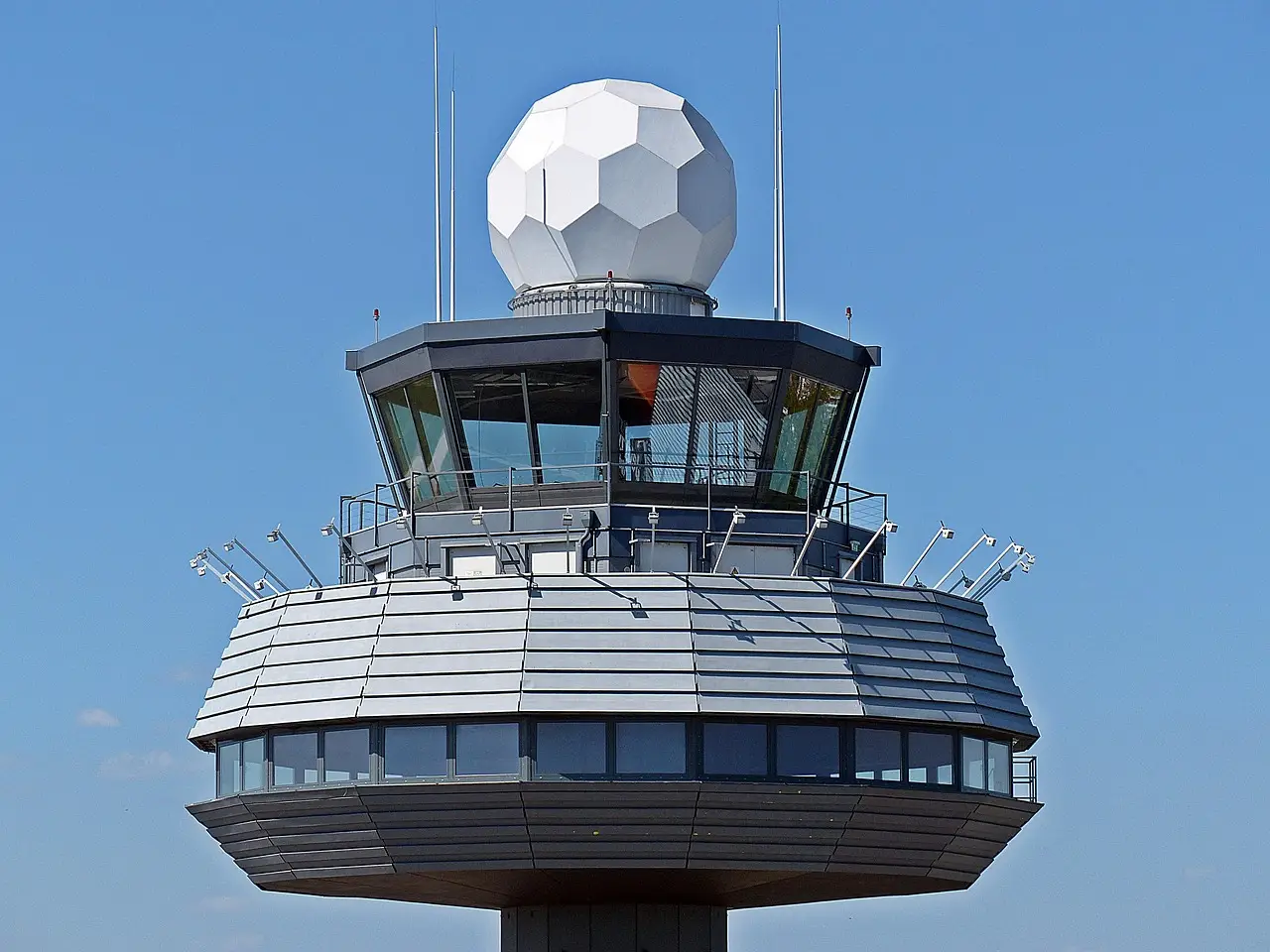
CSG expects full deployment of its CIS+ drone-coordination system in Czech airspace in the second half of 2027, after handing the system to Air Navigation Services of the Czech Republic (ANS CR).
The delivery does not equal certification or operational approval. CIS+ must now undergo implementation and certification, while CSG's 2027 schedule remains a supplier forecast rather than an established service date.
CIS+ stands for Common Information Service, a digital platform built on MAIA and developed by UpVision, a member of CSG's Aerospace & Defence Electronics subdivision. The product is intended to coordinate drones with manned aircraft and other users sharing Czech airspace.
U-space provides the framework for integrating uncrewed aircraft operations into controlled airspace as traffic grows. MAIA was built by a multidisciplinary team spanning software development, air traffic management, U-space, digital infrastructure and security technologies.
MAIA also draws on experience from three European projects: CERTIFLIGHT, U-space4UAM and ATM-EXCITE. Those projects form the stated technical base for the system now moving through ANS CR's implementation process.
CIS+ consolidates and distributes information on geographical zones and restrictions applicable to uncrewed operations. It shares approved flight authorisations, identifies and tracks drones in real time, and provides information on all aircraft operations, including traditional manned flights.
The system also shares deviations from approved drone flight plans. It delivers meteorological data from ANS CR operational systems to U-space service providers, which are organizations supplying drone flight services, and shares information on their location and availability.
CSG says CIS+ enables safe coordination between rapidly growing drone numbers and other airspace users. Appropriate operational conditions must still be established to support and maintain safety when conventional manned aircraft and large numbers of uncrewed systems operate side by side.
In a 9 November press release, CSG described integration with ANS CR's conventional air traffic management (ATM) system: “Operational information and meteorological data can be transferred from ANS CR’s ATM system directly into the U-space environment through the relevant interface.” The company added: “The system also enables the digital processing of operational requests falling within the remit of ANS CR.”
CSG's example was a temporary airspace restriction announced for an air ambulance operation, an air show or a visit by a head of state. CIS+ would distribute that information to every connected U-space service provider.
A request to fly a drone where coordination with ANS CR is required can enter through CIS+ for assessment. The system would then distribute ANS CR's decision automatically to the relevant service providers.
Approved-flight information can also move between providers when they operate in the same airspace. Each provider can access the shared information needed to coordinate those concurrent drone operations.
What does this change for Czech drone operators?
For drone operators, the relevant change is the information layer surrounding flight authorisation, not an automatic right to fly. Once certified and live, service providers can receive restrictions, approvals, weather data and deviation information through one ANS CR-linked channel.
That architecture could reduce duplicate coordination work and make temporary restrictions visible sooner across participating providers. It does not itself guarantee flight clearance or airspace capacity, because ANS CR assesses requests that require coordination.
No implementation cost, service pricing, provider count or expected drone-traffic volume was disclosed. The commercial benefit and capacity gain therefore cannot yet be quantified from the announcement, and certification remains the immediate gating requirement.
The handover places CIS+ before ANS CR's operational implementation and certification, but the announcement does not say the system has been certified or is already supporting live flights. Full deployment in the second half of 2027 also depends on integration with the conventional ATM system and participation by service providers.
The next verifiable milestones are ANS CR's certification and operational implementation, with connected providers needed before the promised network can function. ANS CR's certification decision will determine whether the second-half 2027 service becomes operational.
via unmannedairspace.info (Source)
More from Priya Raman
Show full bio
Market editor covering money, funding and market shifts around Commercial aviation industry coverage at Flightdeck Report.
589 articles
Same bay
- FDR776SESAR's fifth U-space ConOps reframes drone integration around cost · November 10, 2026
- FDR794AirMatrix secures NRC funding for AI-powered airspace intelligence · October 9, 2026
- FDR658EASA Certifies Universal Avionics' Connected FMS for Business and Regional Fleets · November 5, 2026
- FDR957Tactien Group launches independent C-UAS evaluation tool · October 10, 2026
- FDR712Textron's Aerosonde Flies First UAS Vertiport Operations in US Commercial Airspace · September 30, 2026