Clearance CLR-2140 · SUS973
SUSDEL
SustainabilityClearance sheet
Delta widens SAF access across U.S. airports in Shell Aviation tie-up
Delta Air Lines is extending sustainable aviation fuel access through a multi-airport collaboration with Shell Aviation, broadening biofuel reach at stations beyond its existing portfolio.
Read-back
- Delta is expanding SAF access through a new collaboration with Shell Aviation
- The collaboration spans multiple airports rather than a single station
- Delta has not disclosed contracted volumes, duration or specific airports in the agreement
- SAF is currently certified for blending with conventional jet fuel at up to 50% under ASTM standards
- Delta has previously concentrated SAF access at a small number of major hubs
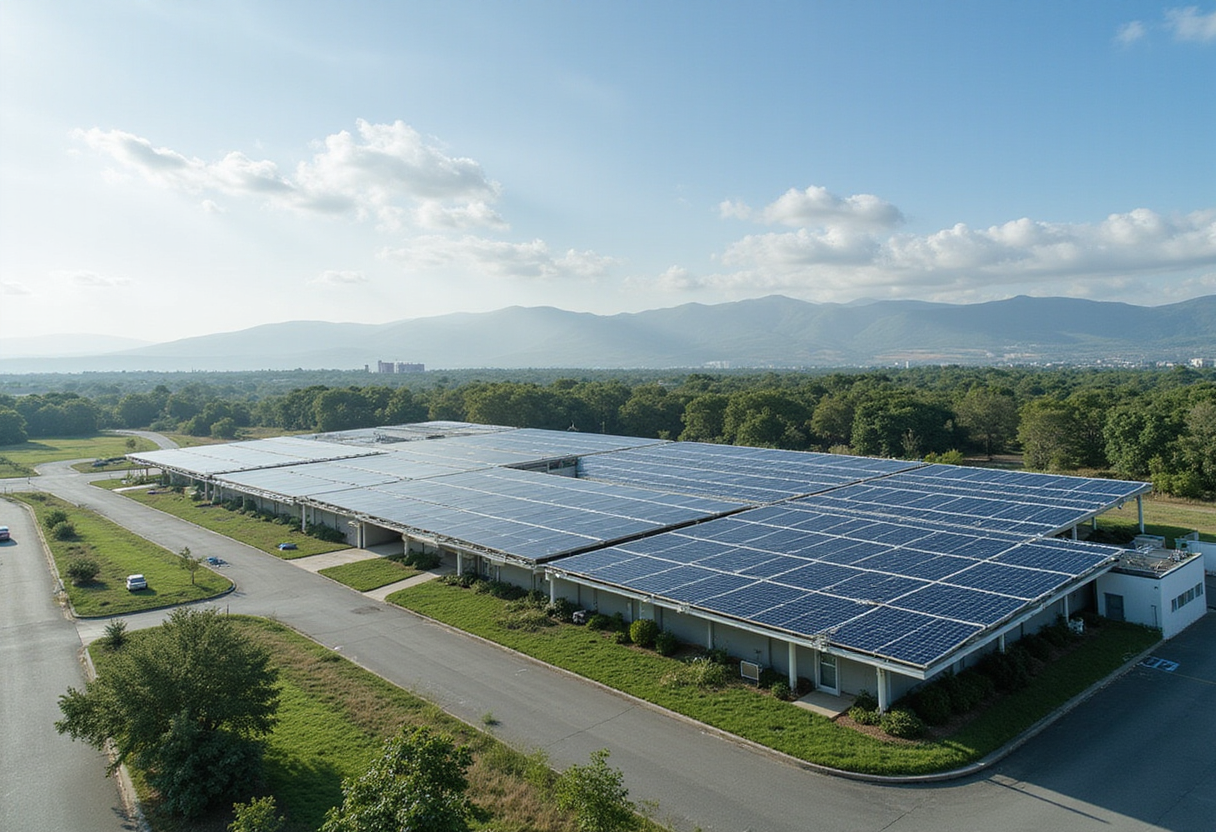
Delta Air Lines is extending sustainable aviation fuel (SAF) access across multiple airports through a new collaboration with Shell Aviation, according to a carrier announcement on the Delta News Hub.
The agreement adds stations to Delta's existing SAF supply footprint and gives the airline broader reach for blended biofuel within its network.
What does the partnership cover?
The collaboration is structured as a multi-airport arrangement rather than a single-station supply deal. Shell Aviation, the aviation division of integrated oil major Shell plc, will supply SAF at additional airports where Delta operates.
Delta has not named the airports, the contracted volumes or the duration of the agreement. The carrier's disclosure focuses on the geographic spread of the partnership rather than headline tonnage.
Why does airport-level access matter?
SAF is blended with conventional Jet A or Jet A-1 fuel at airport fuel farms before being uplifted to aircraft. The environmental attributes tied to those blended gallons accrue to whichever airline contracted the SAF, regardless of where the aircraft ultimately flies. Airlines that source SAF at only a few hubs therefore end up with a gap between the volumes they have purchased and the routes on which they can claim the lifecycle-emission benefit.
By adding stations, Delta closes that gap. Each new airport at which Delta can draw Shell-supplied SAF is a station where the carrier can match the green-fuel attribute to its actual operating profile rather than retiring the credit elsewhere in the system.
Where does this fit in Delta's SAF portfolio?
Delta has signed multiple SAF agreements over the past several years as part of a broader push to scale biofuel and synthetic-fuel adoption across its network. The Shell agreement extends that portfolio by adding a large integrated supplier alongside the dedicated biofuel producers and refiners Delta has previously engaged.
The arrangement follows a wider pattern in which U.S. and European carriers have sought to lock in supply with multiple counterparties — including oil majors, biofuel specialists and emerging synthetic-fuel developers — to insure against allocation shortfalls as production scales.
What is the industry backdrop?
Airlines are competing for limited ASTM-certified SAF supply. Demand from voluntary corporate offtake and government procurement programs has grown faster than commercial-scale production capacity, with new facilities in the United States, Europe and Asia under construction or in commissioning. Federal support through the U.S. Inflation Reduction Act's SAF blender's tax credit, which took effect in 2024 and pays producers and blenders on a sliding scale tied to lifecycle emissions, has intensified demand by improving unit economics for buyers.
ASTM International currently certifies SAF for blending with conventional jet fuel at levels up to 50% — a technical ceiling that shapes how quickly any single airline's SAF share of total uplift can scale even when production volumes grow.
What comes next?
The Delta-Shell agreement will translate into operational change only once additional-airport deliveries begin and contracted volumes start reaching Delta's fueling infrastructure. Until then, the announcement functions as a footprint expansion — adding stations rather than committing new tonnage at existing ones — and the next indicator of its scale will be the first wave of deliveries and the airports at which they land.
via Google News: Sustainable aviation fuel (Source)
More from Grace Kim
Show full bio
News editor covering consumer brands and retail at Flightdeck Report.
350 articles
Same bay
- FDR570Delta and Neste outline SAF roadmap as fuel collaboration extends · October 10, 2026
- FDR614$1.4B Sustainable Aviation Fuel Plant Planned for Louisiana · September 28, 2026
- FDR820Delta Joins Georgia Officials to Accelerate SAF Scale-Up · October 10, 2026
- FDR959Concentrating SAF supply at a few major hubs pays off, CATF finds · October 10, 2026
- FDR859US Department of Energy pushes Sustainable Aviation Fuel initiative · October 10, 2026