Aircraft & EnginesClearance sheet
Embraer Sees 1,050 Small Jet Demand in Asia Pacific by 2045
Embraer forecasts 1,050 small jets for Asia Pacific ex-China over 20 years, against a current fleet of 295. Sixteen airlines already fly E-Jets in the region.
Read-back
- Embraer forecasts 1,050 jets of up to 150 seats for Asia Pacific ex-China over 20 years
- Current regional fleet in the segment: 295 aircraft; traffic assumed to grow 4.1% annually
- 16 airlines in 6 countries operate E-Jets in the region; Scoot serves 26 destinations, half new
- Global forecast: 8,500 aircraft worth $650 billion; Asia Pacific incl. China takes ~30%
- About 40% of the world's turboprops operate in Asia Pacific
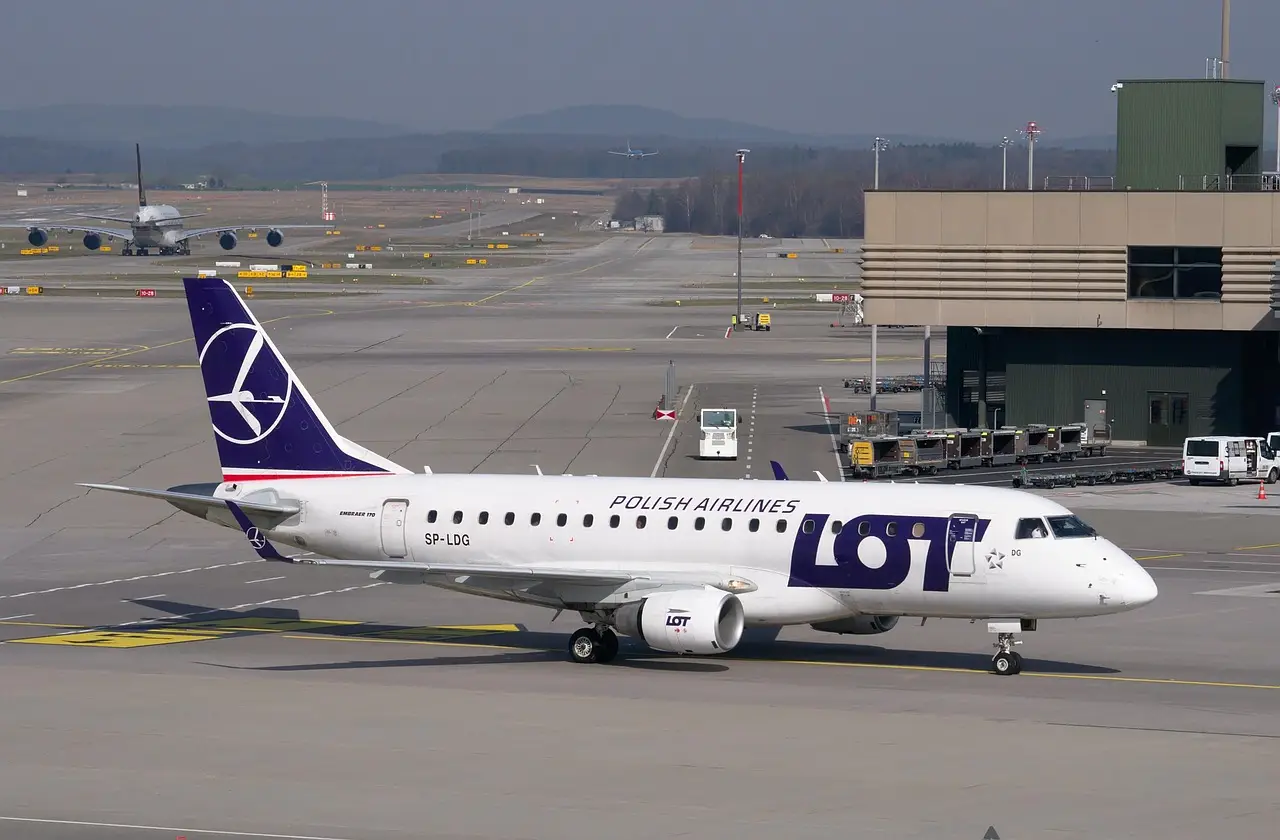
Embraer expects airlines in Asia Pacific, excluding China, to take 1,050 jets of up to 150 seats over the next 20 years. The Brazilian manufacturer presented the forecast at the 70th Assembly of Presidents of the Association of Asia Pacific Airlines in Kuala Lumpur. The outlook assumes passenger traffic in the region grows 4.1% per year.
The number deserves context. The current fleet of jets with up to 150 seats in Asia Pacific stands at 295 aircraft. Embraer is effectively predicting the regional fleet will more than triple. Include China, and the manufacturer sees demand for 2,520 aircraft over 20 years — roughly 30% of global demand. Worldwide, Embraer forecasts 8,500 jets of up to 150 seats, valued at $650 billion.
It is a forecast, not an order book. Embraer sells the aircraft it builds, and its market outlooks consistently argue for the segment it dominates. The delivery records, not the presentations, will settle the question.
What drives the projection?
Embraer identifies four trends behind the numbers:
- Regionalisation. Demand grows for links between Asian cities. More than 60% of capacity in Southeast Asia sits on just 10% of routes, leaving many markets underserved.
- Secondary destinations. Travellers seek less crowded places, creating opportunities to connect emerging tourism markets.
- Profitability over capacity. Airlines now prioritise returns and use mixed fleets to match aircraft size to each market.
- A K-shaped economy. Higher-income consumers stay resilient while price-sensitive travellers face pressure, pushing both full-service and low-cost carriers to rethink fleet strategy.
Raul Villaron, Embraer Commercial Aviation's vice president and head of Asia Pacific, said the next phase of growth will rely on fleet flexibility, resilience and regional connectivity. Small narrowbody jets, he said, are becoming essential for developing underserved markets and strengthening regional networks.
That is the pitch. The evidence base is thinner: the forecast rests on routing concentration data and a macroeconomic thesis about income divergence, neither independently verified in the presentation.
What is actually flying?
The installed base is real and countable. Sixteen airlines in six countries operate E-Jets in Asia Pacific today.
- Scoot operates the E190-E2 on 26 destinations, half of them new to the Singapore Airlines Group's low-cost carrier.
- Japan fields around 50 E-Jets, and both All Nippon Airways and Japan Airlines have selected the E190-E2.
- Australia has nearly 70, flown by Virgin Australia, Alliance Airlines and QantasLink.
Scoot's route additions are the strongest signal in the data. Half of its E2 network is new to the airline, which supports Embraer's argument that small jets open markets rather than duplicate them.
Embraer also sees an opening in the turboprop fleet. About 40% of the world's turboprops operate in Asia Pacific — a replacement and upsizing pool the manufacturer watches closely. It has been in the region for nearly five decades and runs a regional distribution centre and an E2 simulator in Singapore.
What does this change for network planning? For carriers squeezed between congested hubs and thin secondary routes, the forecast frames the E-Jet family as the tool for profitably serving the 90% of Southeast Asian routes that carry 40% of capacity. Airlines will test that claim aircraft by aircraft.
The next measurable checkpoint is simple: whether E190-E2 deliveries to ANA and JAL convert the Kuala Lumpur outlook into firm tail numbers.
via travelradar.aero (Source)
More from James Calloway
Show full bio
Staff writer covering people, launches and day-to-day practice in Commercial aviation industry coverage at Flightdeck Report.
726 articles
Same bay
- Southeast Asia's Airlines Step Up Fleet Expansion · October 10, 2026
- Asia-Pacific carriers carried 33.5 million passengers in August, down 0.6% · September 28, 2026
- Embraer posts record Q3 with 66 deliveries, hunts 2026 targets · October 10, 2026
- Embraer Commercial Backlog Climbs 50% on Finnair Order · October 10, 2026
- Transpacific Freight Climbs 17% as Capacity Trails Demand Across the Board · November 17, 2026