Clearance CLR-8300 · AIR849
AIRFAA
AirportsClearance sheet
FAA Adds $13 Million to Syracuse Hancock Deicing Pad Expansion
Syracuse Hancock International Airport lands a $13 million FAA Airport Improvement Program grant, lifting federal funding for its deicing pad expansion to $37.7 million.
Read-back
- FAA Airport Improvement Program grant of $13 million raises total federal funding for Syracuse Hancock's deicing pad expansion to $37.7 million.
- The project costs $46.2 million; the airport will cover the remaining $8.5 million, with construction starting by year-end.
- The award forms part of $33.7 million in new federal funding for facility and equipment upgrades at Upstate New York airports, announced by Sens. Schumer and Gillibrand.
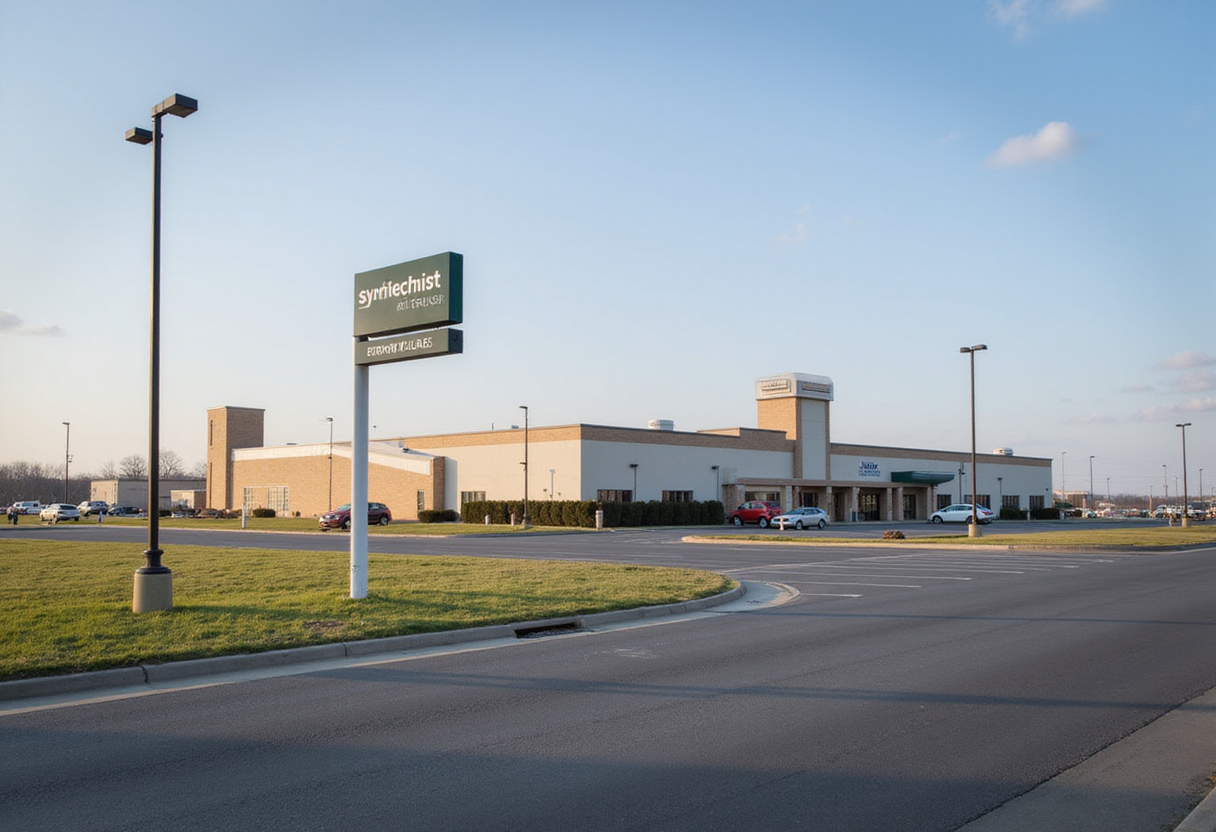
Syracuse Hancock International Airport has secured a $13 million federal grant to expand its aircraft deicing facility, bringing total federal funding for the project to $37.7 million against a $46.2 million construction cost.
U.S. Sens. Charles Schumer and Kirsten Gillibrand announced the award, which the FAA distributed through its Airport Improvement Program as part of a broader $33.7 million package for airport facility and equipment upgrades across Upstate New York.
The expansion targets one of the most schedule-sensitive bottlenecks in winter operations at snowbelt airports. Deicing pads spray glycol-based solution onto wings and control surfaces to strip snow, ice and frost before departure. When pad capacity runs short, aircraft queue with engines and departure slots burning — a constraint that compounds quickly during lake-effect snow events, which regularly hit the Syracuse region in winter.
The funding arithmetic now stands at $37.7 million in federal grants against the $46.2 million project total. Syracuse Hancock previously collected $24.7 million in awards from other federal programs, including two grants of $3 million each and a single $18.7 million award. The airport will fund the remaining $8.5 million itself, roughly 18% of project cost.
Construction is scheduled to begin by the end of the year.
For carriers serving Syracuse — a market anchored by Delta, American, United, Southwest and Allegiant operations — additional deicing positions translate directly into winter dispatch reliability. A single deicing pad serving multiple aircraft in sequence caps departure throughput during peak morning banks regardless of how many gates an airport operates. Expanded pad capacity shortens that queue, protecting both on-time performance and aircraft utilization on downstream rotations.
The Airport Improvement Program, funded largely through aviation trust fund receipts rather than general taxation, remains the primary federal vehicle for airfield infrastructure at non-hub and small-hub airports. Awards of this size for deicing infrastructure reflect the operational weight northern-tier airports place on winter resilience, where a single icing-related hold can cascade across an operator's network for the rest of the day.
Syracuse Hancock has not disclosed a completion date for the expanded facility, but with construction starting by year-end, the airport positions itself to bring additional deicing capacity online ahead of future winter seasons.
via syracuse.com (Original)
More from Grace Kim
Show full bio
News editor covering consumer brands and retail at Flightdeck Report.
138 articles
Same bay
- FDR984San Antonio Moves to Finance $2.3 Billion Airport Expansion · September 30, 2026
- FDR844Gary airport opens $18.3 million control tower as growth marker · September 28, 2026
- FDR796Albany airport expansion should have cost $180 million, contractor alleges · September 30, 2026
- FDR285Connecticut Airport Gains $12M Expansion Project Aimed at New Routes · September 30, 2026
- FDR970FAA Grants Mankato Airport $11.5M for New Control Tower · September 27, 2026