Clearance CLR-2751 · SAF996
SAFFAA
Safety & OperationsClearance sheet
FAA orders fuel tank inspections on 60 Boeing 787s over lightning risk
FAA directive effective December 7, 2026 mandates 34-hour sealant inspections on 60 US Boeing 787s after production fuel tank checks went unverified, risking lightning-strike ignition.
Read-back
- FAA AD published November 2, 2026, effective December 7, 2026, affects 60 US-registered 787-8/-9/-10s.
- Inspections cost an estimated $2,890 per aircraft over 34 hours; $173,400 total, excluding repairs.
- Unverified center wing tank sealant could create an ignition source during a lightning strike.
- Rule follows Boeing requirements bulletin of November 5, 2025 and an FAA proposal of February 24, 2026.
- FAA confirmed current production aircraft receive the required sealant inspections.
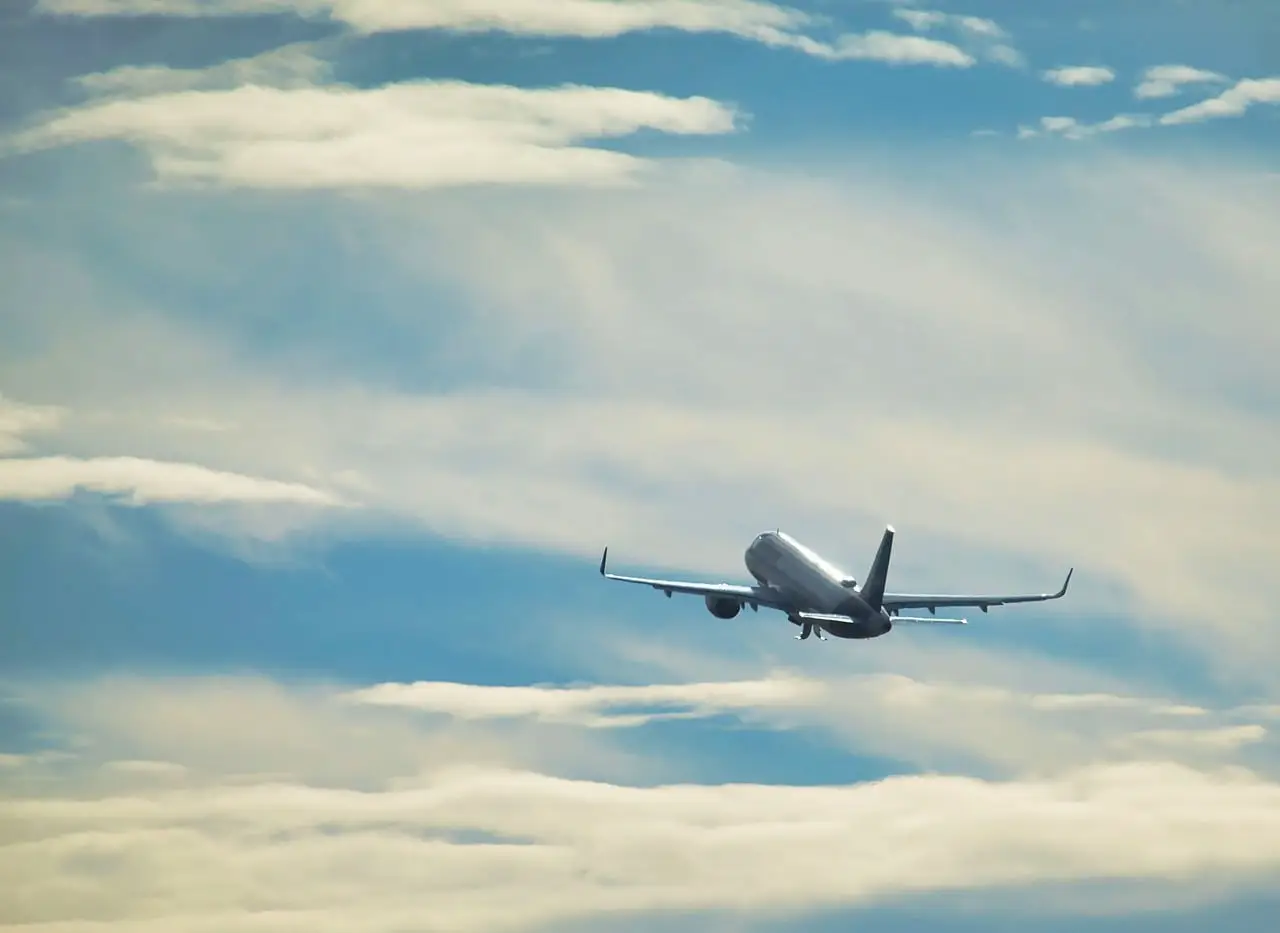
The FAA has ordered inspections of 60 US-registered Boeing 787s after finding that required production checks of fuel tank sealant were never completed or cannot be verified, creating a risk of a fuel tank explosion during a lightning strike.
The airworthiness directive (AD) — a mandatory FAA rule requiring aircraft fixes — was published November 2, 2026 and takes effect December 7, 2026. It covers certain 787-8, 787-9 and 787-10 airframes.
The defect sits inside the center wing fuel tank, where sealant installations lack documented evidence of the visual and adhesion inspections required during manufacturing. Faulty sealant, the FAA warned, could let an ignition source develop inside the tank when lightning strikes the aircraft.
"The unsafe condition, if not addressed, could result in development of an ignition source within the fuel tank volume and a risk of a fuel tank explosion during a lightning strike event," the FAA said in the directive.
What does the directive require?
Operators must inspect sealant installations in the left, right and center wing side-of-body areas, including the sections between the side-of-body rib and rib 2. Inspectors check for sealant defects, surface depressions and inadequate adhesion.
Any defect found must be fixed through approved repairs. The work follows a Boeing requirements bulletin issued November 5, 2025 — meaning the manufacturer had already told operators what to do nearly a year before the rule became mandatory.
What does it cost?
The FAA estimates the inspections and adhesion tests need about 34 hours of work per aircraft, at a cost of $2,890 each. Across the 60 affected US-registered jets, the total comes to $173,400 — a figure that excludes any corrective repairs.
The agency said it cannot yet estimate repair costs because it lacks data on how many defects the inspections will find. Some of that expense could fall under Boeing's warranty.
How did Boeing and American Airlines shape the rule?
The final directive follows a proposal the FAA published February 24, 2026. During the public comment period, two commenters asked for changes to the repair requirements.
Boeing requested that operators be allowed to repair defects using existing approved procedures rather than seeking separate approval for each individual repair. The FAA agreed.
American Airlines asked the FAA to clarify exactly where the sealant must be tested and whether existing Boeing repair procedures could be applied. The FAA clarified the inspection areas and, like with Boeing's request, permitted use of the existing procedures.
That accommodation matters operationally: repairs under already-approved paperwork can be scheduled through normal maintenance channels, without waiting for case-by-case engineering approvals that would extend aircraft downtime.
Is production fixed?
A third commenter, the Foundation for Aviation Safety, asked whether Boeing now performs the required sealant inspections on the production line. The FAA's answer addresses the fleet split directly: the directive covers only aircraft for which there is insufficient evidence the inspections were completed.
For aircraft outside the directive's scope, the agency confirmed the required inspections are being performed during production. That confirmation separates the affected population — a bounded set of 60 US jets, plus foreign-registered equivalents not counted in the FAA's cost estimate — from 787s now leaving the factory with the checks documented.
Until the inspections wrap up after December 7, the practical question for operators is scheduling: 34 hours of tank work per aircraft must be slotted into maintenance windows, with repair scope and cost still unknown until inspectors open the side-of-body areas.
via AeroTime (Source)
More from Sophie Lindqvist
Show full bio
Senior reporter covering people, launches and day-to-day practice in Commercial aviation industry coverage at Flightdeck Report.
610 articles
Same bay
- FDR184Aviation Week Puts Global Safety Assurance Process Under Scrutiny · October 13, 2026
- FDR571House Rejects Senate-Passed Aviation Safety Bill · September 27, 2026
- FDR897Army findings add urgency to US air safety bill negotiations · October 9, 2026
- FDR593House Passes Aviation Safety Bill on Second Attempt · September 30, 2026
- FDR593Aviation Week: Effective SMS Programs Begin With Data Gathering · October 9, 2026