Clearance CLR-4797 · AIR812
AIRFED
Air CargoClearance sheet
FedEx Opens 484,000 sq ft Cargo Terminal at Guangzhou Baiyun
FedEx triples sorting capacity in South China with a 484,000 sq ft Guangzhou Baiyun terminal handling 28,000 shipments hourly, amid $1.26 trillion Greater Bay trade.
Read-back
- FedEx opened a 484,000-square-foot cargo terminal at Guangzhou Baiyun Airport with capacity of 28,000 shipments per hour
- Annual handling capacity exceeds 110,000 U.S. tons; sorting capacity is triple the previous level
- Greater Bay Area nine mainland cities posted $1.26 trillion in imports and exports in the first three quarters of 2026, 21% of China's trade
- The facility sits next to FedEx's Asia-Pacific hub at Baiyun, opened in 2009
- UPS recently completed a Philippines air hub and is expanding Hong Kong
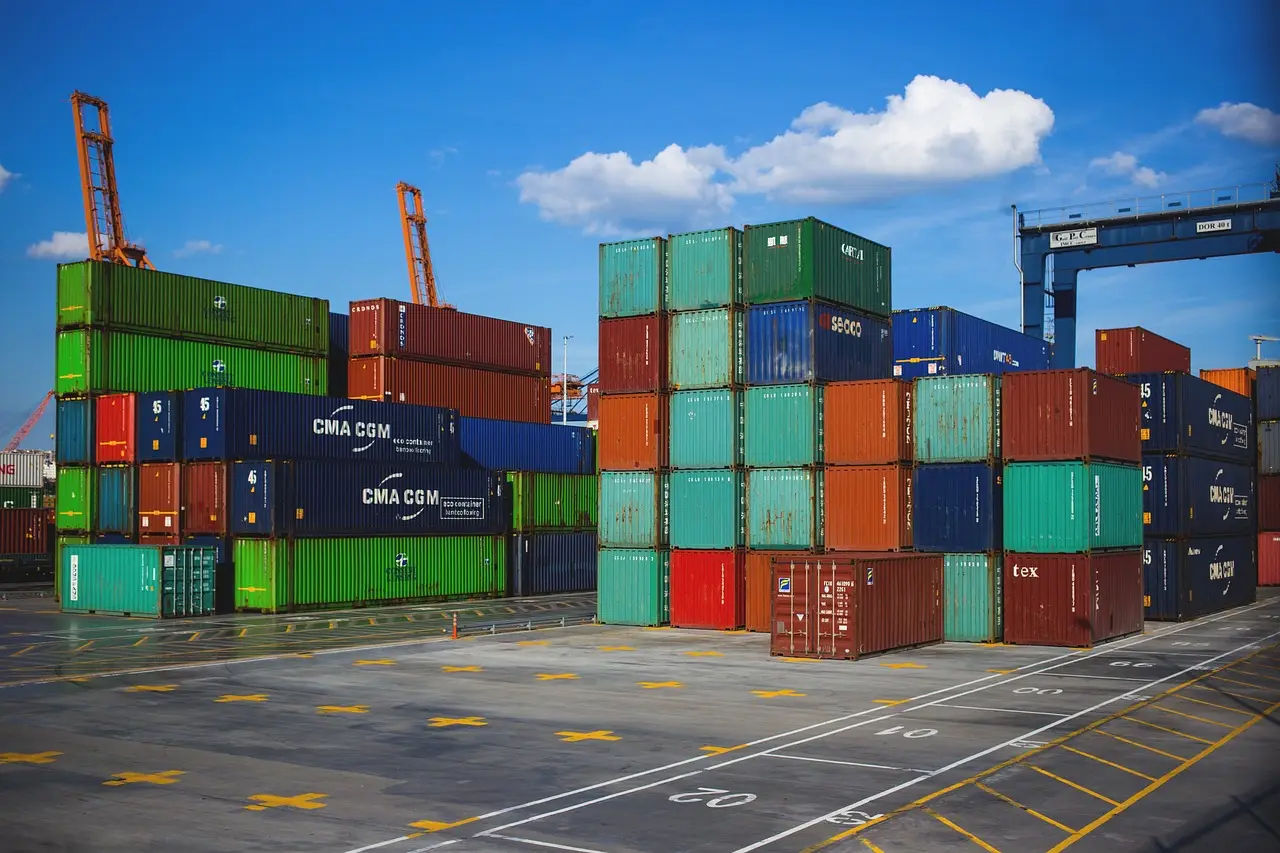
FedEx has opened a 484,000-square-foot cargo terminal at Guangzhou Baiyun Airport capable of processing up to 28,000 express parcels and freight shipments per hour, tripling the sorting capacity available at its South China hub. Annual cargo handling capacity at the facility exceeds 110,000 U.S. tons.
The integrator (NYSE: FDX) announced the opening Monday. It developed the terminal in tandem with the Guangdong Airport Authority. The new warehouse sits alongside FedEx's existing Asia-Pacific hub at Baiyun, which opened in 2009.
FedEx attributed the expansion to growing air cargo demand from shippers in the Greater Bay Area, a region comprising Macau, Hong Kong and nine cities in Guangdong province. China Customs data show the nine mainland cities recorded imports and exports of $1.26 trillion in the first three quarters of 2026, accounting for 21% of China's total trade.
CEO Raj Subramaniam attended the opening ceremony, the South China Morning Post reported.
What does the facility change for shippers?
The terminal introduces automated sorting and intelligent processing systems that FedEx says triple throughput relative to the previous operation. Additional features include:
- RFID (radio-frequency identification) shipment tracking
- A customs-supervised warehouse
- Digital documentation, pre-declarations and alert systems designed to reduce clearance times
FedEx said the facility will help southern China businesses reach overseas customers and suppliers faster through its global air and ground network. The company positions the investment as infrastructure for exporters in one of the world's most heavily concentrated manufacturing belts.
Salil Chari, president of FedEx Asia Pacific, framed the project in network terms. "The future of trade depends on reliable connectivity, resilient supply chains, and access to global markets," he said in a news release. "The Greater Bay Area remains one of the most dynamic economic regions in the world, and this investment reinforces our commitment to helping businesses in China and across Asia-Pacific grow internationally."
Chari added: "By strengthening connectivity and integrating this facility into our global network, we are enabling customers to move goods more efficiently, reach new markets, and seize emerging opportunities in global trade."
A selective capital program
The Guangzhou opening fits a pattern of airport infrastructure spending that FedEx has sustained over the past 18 months while cutting overall capital expenditure to reduce excess network capacity and improve profitability. The recent record includes:
- Completion this month of an upgraded air facility in Madrid, Spain
- A February announcement of a new air logistics hub in Mumbai, India
- Relocation to a new terminal at Istanbul Airport in Turkey in September 2025
- Announced plans for a new air cargo hub in Saudi Arabia
The pattern indicates FedEx is concentrating capital on gateway infrastructure in high-growth trade corridors rather than broad fleet or network expansion.
Competitive context
UPS is executing a parallel build-out of its Asia air network. The rival integrator recently completed a new air hub in the Philippines and continues construction on a major expansion of its Hong Kong hub. Both carriers are positioning for export volume generated by the Greater Bay Area and surrounding Asian manufacturing zones, where air freight demand growth justifies dedicated sorting capacity.
For FedEx, the Baiyun terminal strengthens its position at a hub it has operated for more than 15 years. The company has not disclosed the investment amount for the Guangzhou project.
With triage capacity of 28,000 shipments per hour now in service, FedEx enters 2027 with substantially more sorting headroom in South China, a region whose $1.26 trillion nine-month trade total underscores why both major U.S. integrators keep allocating scarce capital to Asian gateways.
via freightwaves.com (Source)
More from Priya Raman
Show full bio
Market editor covering money, funding and market shifts around Commercial aviation industry coverage at Flightdeck Report.
653 articles
Same bay
- FDR166Cathay Cargo Adds Capacity to Three US Points and Mexico · October 10, 2026
- FDR332FedEx to Build New Integrated Air Cargo Hub at Delhi's GMR Cargo City · October 10, 2026
- FDR376FedEx expands Madrid airside cargo capacity for peak season · November 5, 2026
- FDR278CMA CGM closes $1.4bn FedEx Supply Chain deal, gains air cargo partner · October 10, 2026
- FDR591ACIA hands first large-door ATR 72-600P2F to FedEx · October 15, 2026