Clearance CLR-8329 · AIR780
AIRFED
Air CargoClearance sheet
FedEx turns specialized logistics into aerospace growth
FedEx says it has moved hundreds of aircraft engines since June 2025, while CEO Raj Subramaniam reports a 15-fold rise in engine moves; it began serving 13 auto customers.
Read-back
- FedEx says it has transported hundreds of aircraft engines since June 2025.
- CEO Raj Subramaniam said engine moves increased 15-fold from prior levels on the third-quarter earnings call.
- FedEx began serving 13 major automotive customers in the third quarter.
- Emirates SkyCargo's specialized aerospace product grew 300% year over year in the first half.
- Kuehne+Nagel acquired Ireland-based Eastway Global Forwarding in February.
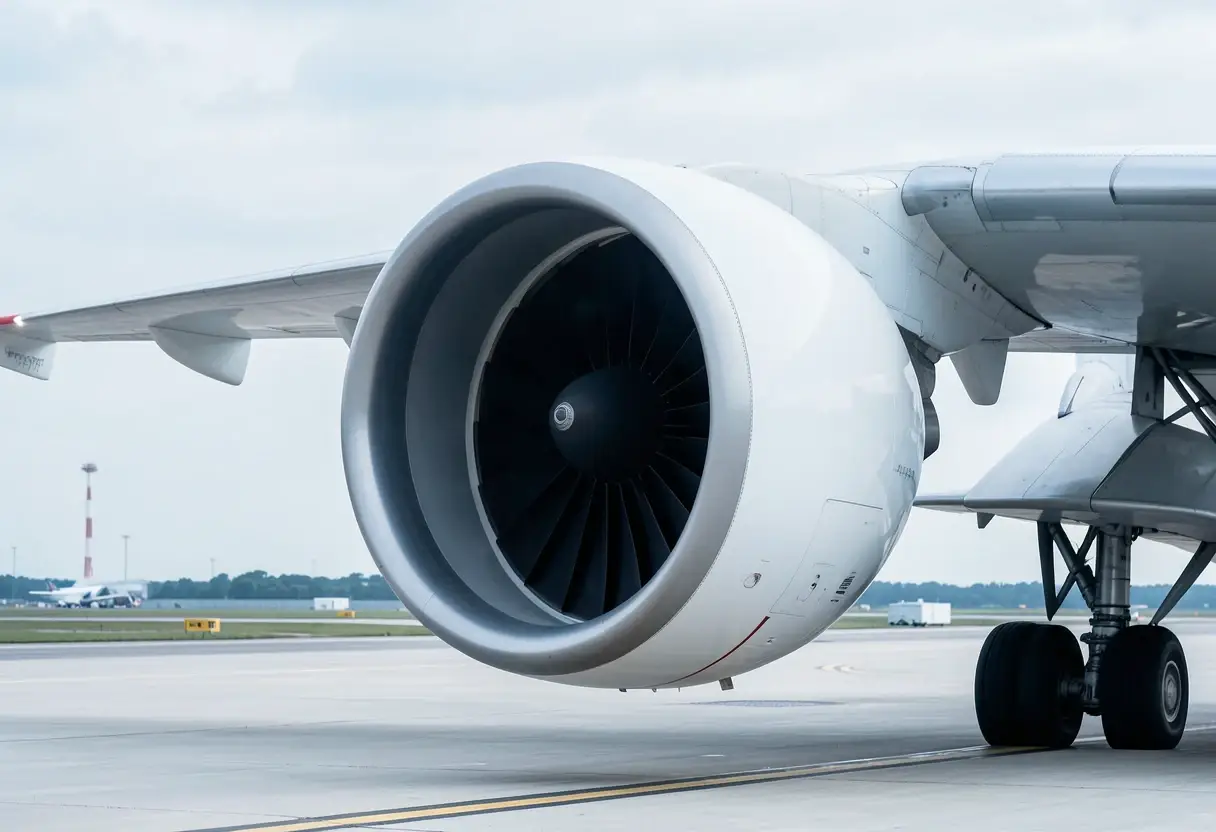
FedEx says it has transported hundreds of aircraft engines since June 2025; on the third-quarter earnings call, CEO Raj Subramaniam said engine moves had increased 15-fold from prior levels.
In a company announcement last week, FedEx said its focus on specialized, premium services for industrial customers with complex logistics needs was paying dividends, particularly in aerospace and automotive.
The company grouped global parcel, freight, freight-forwarding and trade-compliance capabilities under one umbrella, then formed dedicated teams to build custom solutions. FedEx said the structure produced new customer wins, especially in aerospace and automotive, but did not name them.
Why is aircraft-engine transport becoming more urgent?
Aircraft-on-ground (AOG) logistics serves aviation and aerospace companies, including overhaul facilities and suppliers. Demand for engine transport has increased in recent years as new-generation engines prove less durable and airlines send them to manufacturers for repair. Supply-chain and regulatory headwinds have slowed airframers’ ability to deliver new orders on time, leaving airlines operating older aircraft longer.
Keeping those aircraft flying increases demand for specialist support during unexpected downtime, critical-parts shortages and unplanned maintenance. FedEx named no airframers or engine models and gave no fleet-level durability data, leaving the 15-fold rise in engine moves as the more concrete demand signal.
The urgency can arise in three operating settings:
- An airplane is grounded and needs repair.
- A manufacturer is missing a component needed to keep an assembly line running.
- A repair facility finds unexpected damage during scheduled maintenance and lacks the required part.
Experts said an urgent shipment requires synchronization among logistics partners, the buyer and quality teams.
How does FedEx move an engine?
FedEx created a dedicated logistics process for moving aircraft engines and oversized aircraft components quickly and reliably. The aim is to help airlines complete maintenance and minimize time out of service. Its aerospace support center manages all quotations for booking engines on freighter aircraft and oversees handling and transportation from origin to destination, much like a freight agent.
Working with colleagues worldwide, the center provides centralized oversight, regulatory compliance, customs coordination and end-to-end accountability. FedEx says its proprietary digital platform streamlines quotation generation, automates communication and securely manages shipment documentation. It describes the engine operation as active, with hundreds of engines moved since June 2025.
“When an aircraft engine needs to move, every hour matters and every detail counts,” Marcus Balzereit, the new president of FedEx Logistics, said. “A delayed engine can impact flight schedules, aircraft availability, maintenance schedules and operational commitments across the aviation industry.” He said FedEx’s own airline DNA gives the company firsthand knowledge of the urgency behind keeping aircraft flying.
FedEx promoted Balzereit on Aug. 3 to lead the freight-forwarding unit, which manages shipments for customers using FedEx and third-party carriers. He previously was senior vice president of Asia Pacific sales and solutions. His mandate is to deepen FedEx’s industry expertise and develop tailored solutions for key business customers seeking more efficient supply-chain operations, according to the appointment release.
Across the AOG sector, logistics desks typically offer around-the-clock access to dedicated teams that arrange transport, make routing decisions and manage regulatory requirements under time pressure. Other typical features include customer-specific operating procedures; next-flight-out, dedicated trucking and charter flights; access to global offices and facilities; and enhanced monitoring and customer communication throughout the shipment lifecycle.
Is AOG capacity expanding across the market?
Seattle-based Expeditors International said last summer it had expanded its AOG services. Kuehne+Nagel and Ceva Logistics also operate significant AOG businesses. In February, K+N acquired Ireland-based Eastway Global Forwarding Ltd., whose specialties include AOG services, aircraft-engine logistics, aviation logistics and warehousing, and customs brokerage.
Emirates SkyCargo’s specialized product in the aerospace vertical grew 300% year over year in the first half, the airline cargo operator said. The announcements also put specialist aerospace freight beyond a single carrier: forwarders are expanding or acquiring capability, while Emirates SkyCargo is scaling a dedicated product.
What does FedEx want beyond aircraft engines?
Last year, FedEx began offering differentiated services for automotive production, supported by a dedicated team, 24/7 support, flexible global pickup and enhanced visibility. The effort paid off in the third quarter, when the company began serving 13 major automotive customers, Chief Commercial Officer Brie Carere said on the earnings call.
The AI and data-center industry was FedEx’s fastest-growing vertical in the third quarter. A Frost & Sullivan report sponsored by FedEx discussed how AI is influencing trade patterns in the Asia-Pacific region and trans-Pacific freight movements; FedEx said it was capitalizing on those shifts.
Healthcare revenue grew by double digits in the quarter. In July, FedEx established a life-sciences division to coordinate specialized healthcare logistics operations.
Subramaniam said expanding capabilities across key verticals lets FedEx address more customer logistics needs and unlock air freight demand from traditionally parcel-centric customers. “Differentiation is increasingly centered on deep customer relationships and tailored service experiences, positioning us to capture more freight volume as we address our customers’ needs beyond parcel,” he said.
The next test is whether FedEx can turn its active engine operation, 13 automotive accounts and faster-growing verticals into durable volume beyond parcel while preserving the speed, visibility and regulatory control that keep grounded aircraft moving.
via Google News: Air cargo (Source)
More from Nathan Brooks
Show full bio
Correspondent covering technology and product news in Commercial aviation industry coverage at Flightdeck Report.
580 articles
Same bay
- FDR646Cargofacts Maps AI Supply Chain's Pull on Air Cargo · October 10, 2026
- FDR719Freight Giant Shifts Widebody Orders From Boeing to Airbus · September 29, 2026
- FDR260Carrier Crosses the 100-Aircraft Fleet Threshold · September 30, 2026
- FDR637CargoTech extends air cargo platform with AI, compliance tools · October 10, 2026
- FDR310Cargo Handler Consolidation Could Squeeze Airlines' Ground Costs · September 30, 2026