Clearance CLR-1188 · AIR761
AIRFRE
Air CargoClearance sheet
Freighter capacity divides air cargo winners and losers as rates climb
Xeneta reports October demand up 6% with flat capacity; DHL's owned lift added €100m to earnings while IAG's traffic fell 13.9% after freighter cancellations.
Read-back
- October global air cargo demand rose 6% year on year with capacity flat; Xeneta's dynamic load factor reached 63%
- DHL Express operating profit rose 50% to €1.04bn, with capacity constraints adding about €100m to quarterly earnings
- IAG Cargo Q3 traffic fell 13.9% to 1,101m CTK despite revenue per CTK rising 20.7%
- Baltic Air Freight Index averaged 2,651.25 in October, up 25.9% year on year
- Lufthansa Cargo and ANA signed an MOU to explore reviving their Japan–Europe cargo joint venture with Swiss WorldCargo and Nippon Cargo Airlines
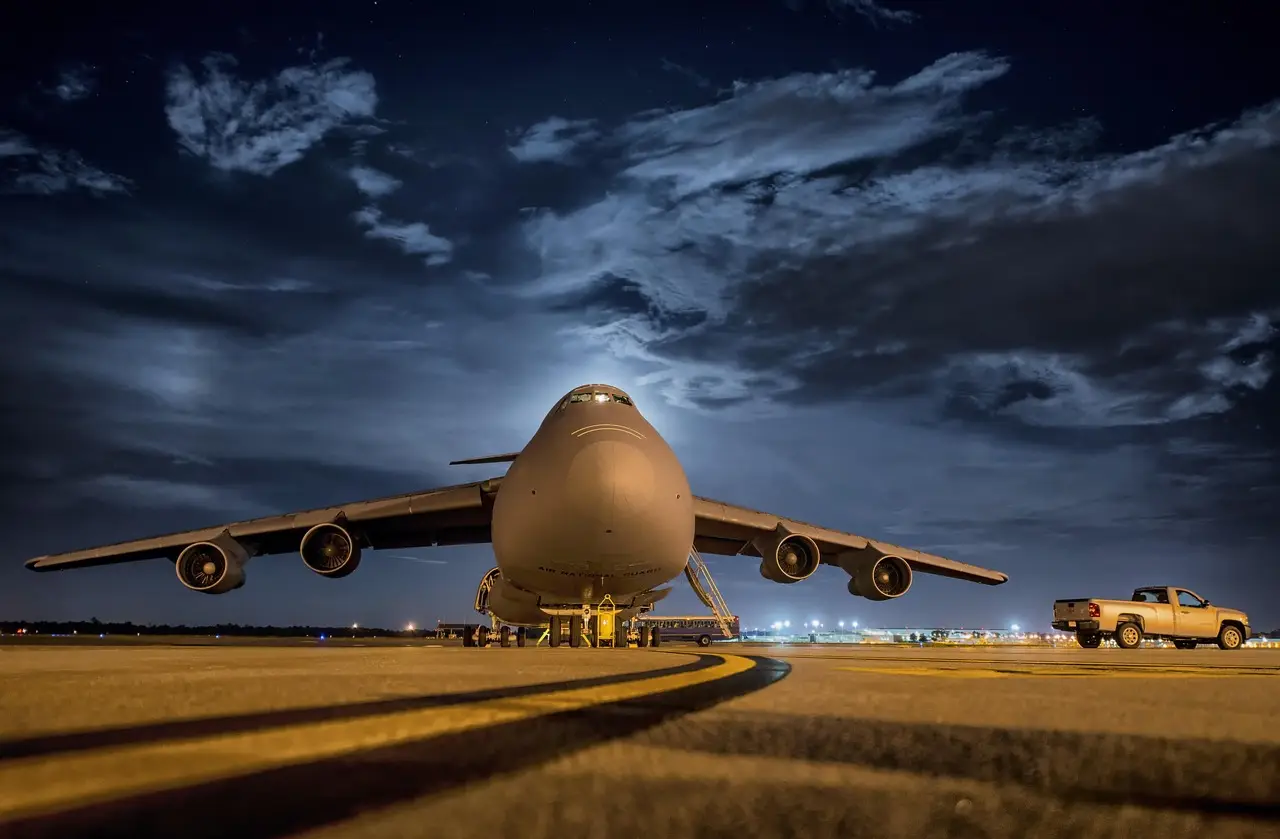
Lufthansa Cargo lifted base yields 14% year on year in the third quarter, and the broader market data explains why: global demand rose 6% in October while capacity stayed flat, according to Xeneta. Access to freighter lift, or the lack of it, is now deciding who captures that pricing power.
Who wins when you own the aircraft?
DHL Global Forwarding moved 497,000 tonnes of airfreight in the third quarter, up 53,000 tonnes, or 12%, year on year, with growth strongest on Asia-origin tradelanes. Its Express division was blunter about the value of controlled capacity. Temporary constraints in the international airfreight market generated additional demand that DHL served through its own network, contributing roughly €100m to quarterly earnings, the company said. Express operating profit rose 50%, to €1.04bn.
IAG Cargo, which exited freighter operations more than a decade ago, shows the other side of the ledger. Third-quarter cargo revenue rose 3.9%, to €294m ($328m), but traffic fell 13.9%, to 1,101 million cargo tonne km. Revenue per CTK rose 20.7%, which more than compensated for the volume loss. Notably, IAG Cargo issued no results release of its own.
For the first nine months, IAG's cargo revenue declined 5.3%, to €864m, with traffic down 12.8% and revenue per CTK up 8.7%. "Cargo capacity continued to be impacted by disruption in the Middle East and the cancellation of third-party long-haul freighter capacity, which reduced volumes, particularly from Asia Pacific," the group said. It is growing its joint business with Qatar Airways Cargo and MASkargo, but did not identify the cancelled freighter services or quantify replacement capacity.
Emirates sat somewhere in between. SkyCargo carried about 1.2 million tonnes in the six months to September, down 1%, while cargo revenue rose 52%. Emirates credited regional conflict for tightening capacity and shipping disruption for pushing customers to air. It added five new 777 freighters in the period and deployed its first passenger-to-freighter conversion.
How high are rates running?
The Baltic Air Freight Index averaged 2,651.25 in October, up 8.2% from September and 25.9% year on year, according to Cargo Facts Consulting. Hong Kong–Europe averaged 11.1% higher month on month; Shanghai–North America rose 7.1%. TAC data showed Hong Kong spot rates to the US east coast climbing from HK$51.84 per kg on 30 September to HK$63.02 on 30 October, and to Europe from HK$35.42 to HK$40.84.
Xeneta put October's global average spot rate at $3.11 per kg, up 4% month on month and 29% year on year. Europe–North America recorded the largest monthly rise among its ten corridors, up 10% to $2.31 per kg as winter schedules took effect.
Is this actually a peak season?
Xeneta's chief airfreight officer Niall van de Wouw says no. "The market is continuing its steady pace, of growth, as we've been reporting since March. It's strong, but it's not a 'peak' season, and time is quickly running out for volumes to shift higher," he said. Xeneta's dynamic load factor, combining weight and volume, rose two percentage points to 63% in October.
Fuel complicates the margin picture. TAC cited IATA figures showing jet fuel prices 112.8% higher year on year on 30 October, alongside strong demand for semiconductors and AI-related equipment — the latter tightening availability on selected routes where oversized shipments depend on freighters.
Capacity is responding unevenly. Cargo Facts reported Asia–Europe freighter capacity up 5.2% month on month in September after three months of decline, and Asia–North America up 2.3%. Xeneta, however, recorded another October decline in direct Asia–Europe freighter capacity. Transpacific chargeable weight ran about 15% higher year on year, with freighter capacity on a similar path. CH Robinson warned airlines could redirect freighters toward stronger transpacific demand, though capacity remained available on most Asia–Europe services.
What next for the carriers?
Lufthansa Cargo and ANA will explore reviving their Japan–Europe cargo joint venture, expanded to include Swiss WorldCargo and Nippon Cargo Airlines. The original venture began in 2014 and was suspended in September 2023 amid restructuring at ANA Holdings' cargo business. A memorandum of understanding provides a framework covering additional routing and capacity options, but no launch date or flight commitments were announced. "We are pleased to renew our dialogue and broaden our cargo joint-venture to include Swiss WorldCargo and Nippon Cargo Airlines," said Kenichi Wakiya, ANA's EVP for cargo marketing and services.
Looking ahead, Xeneta expects rates to decline overall in 2027, with some Asia–Europe cargo switching back to ocean once shipping reliability recovers sustainably, most likely from the second quarter. "In the past couple of years, it has not been the level of demand that caused the uptick in rates, it has been the availability of capacity," said van de Wouw. He added that 12-month forwarder deals would have to bake in so much uncertainty that "the price becomes uncompetitive".
via The Loadstar (Source)
More from Grace Kim
Show full bio
News editor covering companies, deals and strategy in Commercial aviation industry coverage at Flightdeck Report.
537 articles
Same bay
- FDR307DHL Airfreight Revenues Jump 30.4% as Capacity Constraints Feed Express · November 5, 2026
- FDR304DHL, FedEx and UPS Now Carry Over Half of Global Air Cargo · November 2, 2026
- FDR283Lufthansa Cargo Q3 yields jump 14%, EBIT more than triples · November 4, 2026
- FDR450Expeditors Posts Record Airfreight Tonnage as AI Hardware Reshapes Cargo · November 4, 2026
- FDR463DHL Raises Full-Year Guidance as Express Rides Capacity-Short Air Market · October 20, 2026